 Chamber
Medicine Safety
Articles tagged with "Medicine Safety"

Vomiting & Nausea Medicine in Bangladesh: A Complete 2026 Guide
Sudden nausea or vomiting? This Bangla-first guide explains every main anti-vomiting medicine used in Bangladesh — domperidone (Motigut, Omidon), metoclopramide, antihistamines for motion sickness, and prescription ondansetron (Emeset) — how each works, key safety risks, rehydration with ORS, vomiting in children and pregnancy, and the danger signs that make vomiting a real emergency.

Vitamin D and Iron Deficiency in Bangladesh: Symptoms, Tests, Medicines and Diet
A clear, doctor-informed guide to vitamin D deficiency and iron-deficiency anaemia in Bangladesh — how to recognise the symptoms, which blood tests confirm them, the supplements and medicines used (and how to take them correctly), the best food sources, and when high-dose vitamin D must be doctor-directed.

Weight-Loss Injection (Semaglutide) in Bangladesh: What It Is, Who It's For, and Why It Needs a Doctor
The semaglutide weight-loss injection is a prescription-only, doctor-supervised medicine for obesity and type-2 diabetes — not a cosmetic shortcut. Here is how it really works, who it is for, its side effects, who must never use it, and why diet and exercise still decide your results.

Allergy Medicines in Bangladesh: Antihistamines vs Montelukast
Sneezing, a runny itchy nose, watery eyes or skin hives? This Bangla-first guide explains allergy medicines in Bangladesh — cetirizine vs fexofenadine (sedating vs non-sedating) and montelukast — which to choose, how to take them safely, and when to see a doctor.
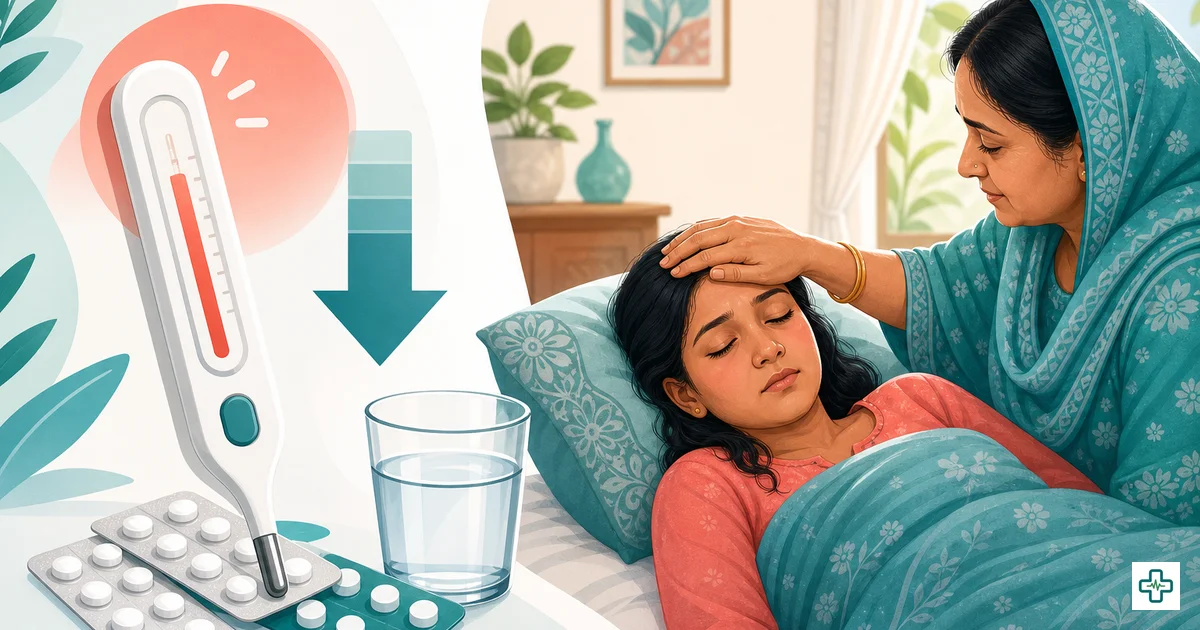
Fever & Pain Medicine in Bangladesh: The Paracetamol Guide
Paracetamol (Napa) is the safe first-line medicine for fever and everyday pain in Bangladesh. Learn the right dose by age and weight, the different strengths, how often to take it, the maximum safe daily limit, the serious liver danger of overdose, when NOT to use NSAIDs, and exactly when fever or pain needs a doctor.

High Blood Pressure & Heart Medicines in Bangladesh: A Complete 2026 Guide
Just diagnosed with high blood pressure or a heart problem? This Bangla-first guide explains the main blood-pressure and heart medicines in Bangladesh — ACE inhibitors and ARBs (ramipril/Ripril), beta-blockers (carvedilol/Cardex), calcium-channel blockers, diuretics and aspirin (Ecosprin) — how each works, who it is for, side effects, and why you must never stop on your own.

Gastric & Acidity Medicines in Bangladesh: A Complete Guide
Confused by the long list of gastric and acidity medicines in Bangladesh? This guide explains antacids, alginates, H2 blockers and PPIs like Seclo, Sergel and Finix — when each is used, how to take them safely, PPI long-term cautions, lifestyle fixes and the red-flag symptoms that need a doctor or endoscopy.
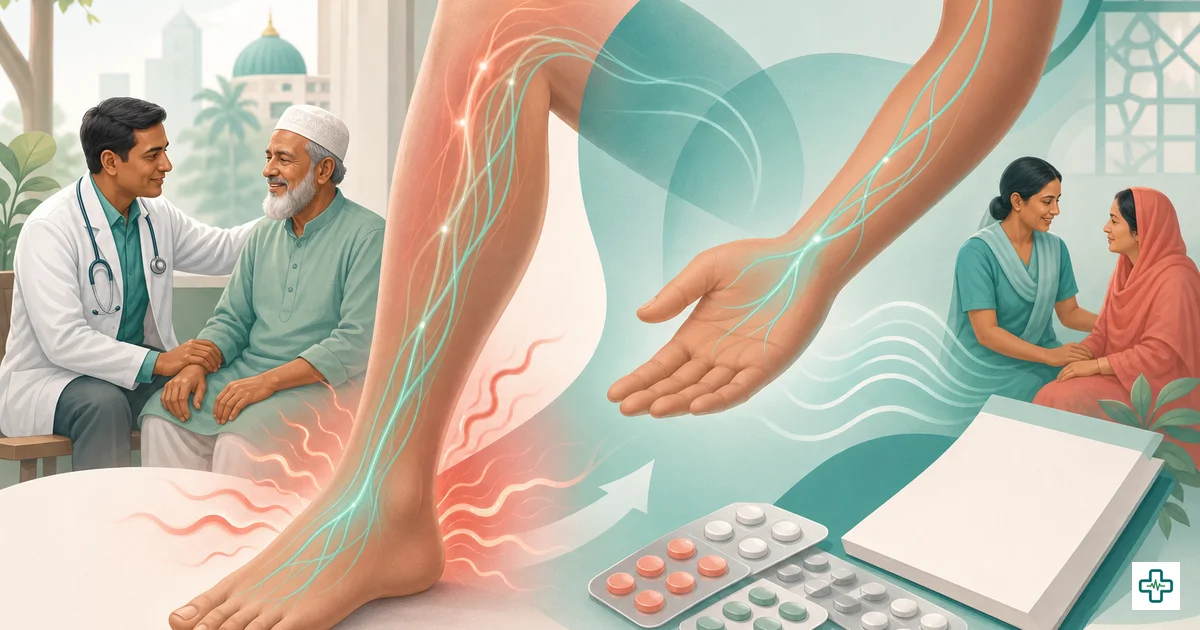
Nerve Pain Medicine in Bangladesh: A Guide to Mirogabalin
Burning, tingling, electric nerve pain does not respond to ordinary painkillers. Learn what neuropathic pain is and how mirogabalin — sold in Bangladesh as Tarlica, Magolin and Mirotop — is used. It is prescription-only, must be titrated by a doctor, and should never be stopped suddenly.
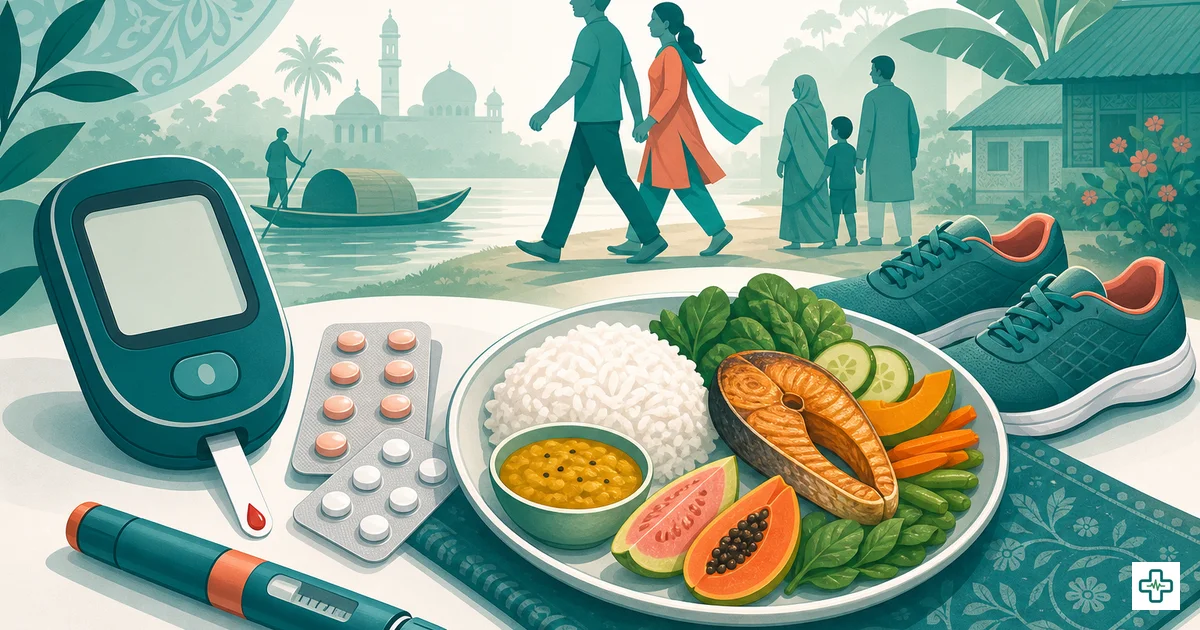
Diabetes Medicine in Bangladesh: A Complete 2026 Guide
Confused about your diabetes tablets? This Bangla-first guide explains every main diabetes medicine used in Bangladesh — metformin, gliptins (linagliptin, sitagliptin, vildagliptin), sulfonylureas like glimepiride, combination tablets, plus SGLT2 inhibitors and insulin — how each works, side effects, low-sugar warning signs, and why diabetes drugs are prescription-only and must never be self-adjusted.
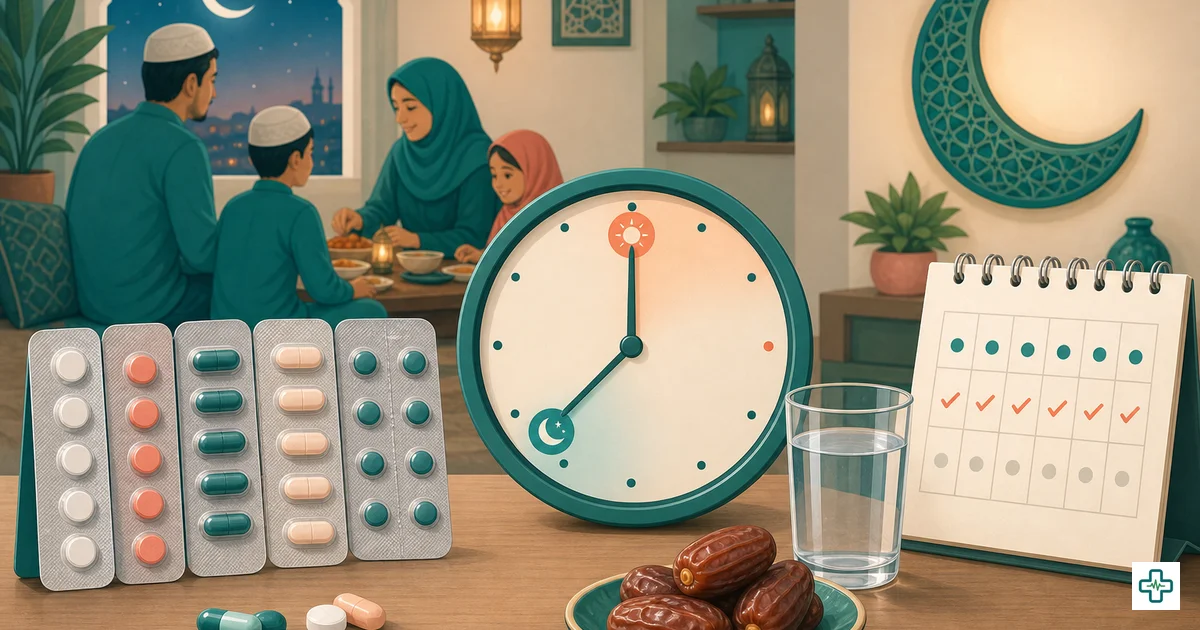
Taking Your Medicines the Right Way During Ramadan
Fasting changes when you can take tablets, but stopping long-term medicine on your own is dangerous. Learn how to re-time blood pressure, diabetes and other daily medicines, why antibiotic courses must be finished, and which medicines do not break the fast.