Chamber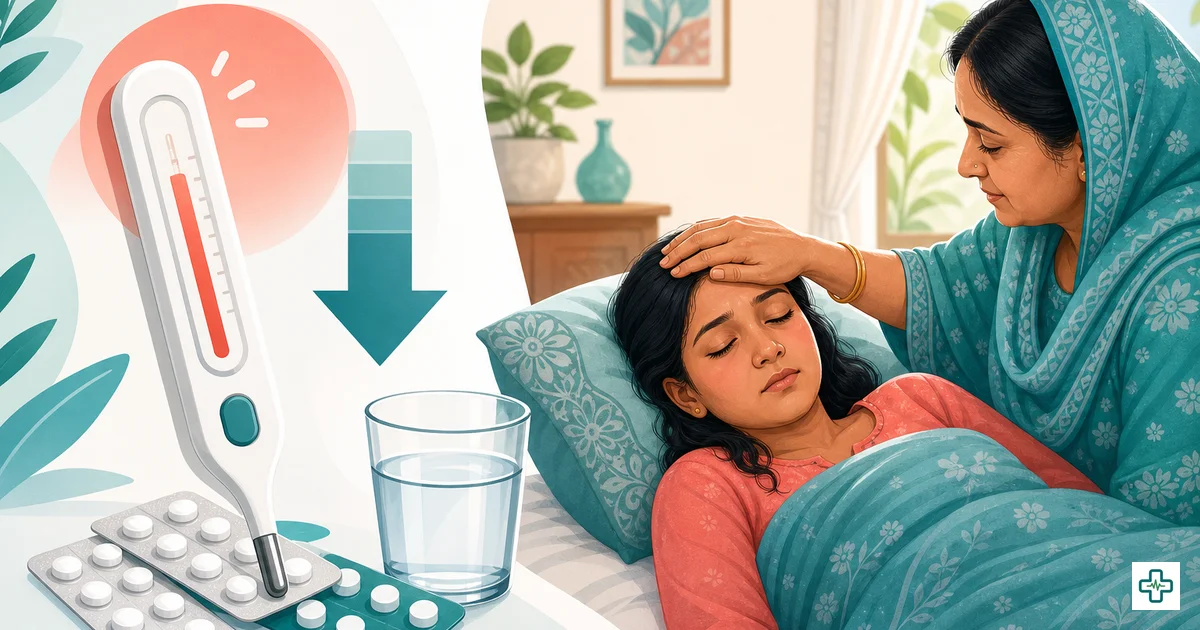
Fever & Pain Medicine in Bangladesh: The Paracetamol Guide
For almost every Bangladeshi household, the first response to fever, a headache, body ache, toothache or period pain is to reach for a Napa tablet. That instinct is medically sound: paracetamol (also called acetaminophen) is the safe, first-line medicine for fever and mild-to-moderate pain for adults, children and even most pregnant women. But "safe" only stays true when you take the right amount, the right number of times a day, and never cross the maximum daily limit. The most important single fact in this whole article is this: an adult should not take more than about 4,000 mg (4 grams) of paracetamol in 24 hours, because an overdose can cause serious, sometimes fatal, liver damage. This guide explains exactly how to use fever and pain medicine correctly at home, and when fever or pain means it is time to see a doctor. It is general health education, not a substitute for advice from a registered doctor.
Which medicine should you take first for fever or pain?
If you have a simple fever or everyday pain, the right first choice is almost always paracetamol. In Bangladesh you will see it under many brand names, but they are the same drug. The popular Napa range from Beximco is a good example: Napa 500 mg is the standard tablet, Napa One 1000 mg is a higher single-dose tablet, and Napa Extend 665 mg is an extended-release (slow-release) tablet. All three are paracetamol. You can always confirm what a tablet actually contains on our paracetamol generic page before you take it.
Paracetamol works well for fever, headache, body ache, toothache, period (menstrual) pain, and the aches that come with cold, flu and dengue. It is inexpensive, widely available over the counter, and gentle on the stomach compared with many other painkillers. For the vast majority of everyday situations, you do not need anything stronger.
How does paracetamol actually work?
Paracetamol acts mainly in the brain. It turns down the part of the brain that sets your body temperature, so a high fever comes down, and it dampens the chemical signals that make you feel pain. What it does not do is reduce significant inflammation (redness, heat and swelling) the way drugs such as ibuprofen do. That is usually fine, because most fevers and headaches do not need an anti-inflammatory effect. It also means paracetamol is not a cure: it treats the symptom (fever or pain) while your body fights the actual illness, such as a viral infection. Lowering a fever makes a person more comfortable and able to drink and rest; it does not shorten the illness itself.
What is the right paracetamol dose by age and weight?
Getting the dose right is the whole game. Taking too little does not control the fever; taking too much risks the liver. The two golden rules are: dose adults by the tablet, and dose children by body weight.
Adults and older teenagers
A typical adult dose is 500 mg to 1,000 mg per dose (one to two 500 mg tablets, or one 1,000 mg tablet), taken every 4 to 6 hours when needed. You must leave at least 4 hours between doses, and you must not take more than 4,000 mg (4 g) in any 24-hour period. For most adults that means a practical safe ceiling of about eight 500 mg tablets, or four 1,000 mg tablets, spread across the day — and many doctors advise staying below that, especially in smaller adults or anyone with a history of liver trouble or regular alcohol use.
Children (dose by weight, not by age guesswork)
For children, the safe dose is based on weight: roughly 10 to 15 mg of paracetamol per kilogram of body weight per dose, given every 4 to 6 hours, and no more than 4 doses in 24 hours. So a 10 kg child would get about 100–150 mg per dose, and a 20 kg child about 200–300 mg per dose. Children's paracetamol comes mostly as a syrup or suspension, and the exact millilitres depend on the strength printed on that particular bottle. Always use the measuring spoon, cup or dropper that comes with the bottle — never a kitchen spoon — and never simply give a child "half an adult tablet" by guesswork. If you are unsure of your child's weight or the correct millilitres, ask a doctor or pharmacist before giving it.
Forms, strengths and which one to choose
Paracetamol comes in several forms so you can match it to the person and the situation. The table below summarises the common options seen in Bangladesh.
| Form / strength | Typical example | Best for | Notes |
|---|---|---|---|
| 500 mg tablet (standard) | Napa 500 mg | Adults & older children; everyday fever and pain | Most common; take 1–2 per dose, 4–6 hourly |
| 1000 mg tablet (high single dose) | Napa One 1000 mg | Adults needing a full 1 g dose | One tablet = one dose; do not add another 500 mg on top |
| 665 mg extended-release tablet | Napa Extend 665 mg | Longer-lasting relief (e.g. ongoing body ache) | Slow-release; swallow whole, do not crush; follow the specific dosing on the pack |
| Syrup / suspension | Paediatric paracetamol syrup | Babies and young children | Dose in mL by weight; use the supplied measure |
| Suppository | Paracetamol suppository | A child who is vomiting or refusing oral medicine | Inserted rectally; count it in the daily total |
Whatever form you use, count every paracetamol dose toward the same daily limit. A syrup, a tablet and a suppository all add up together.
How often, and the maximum safe daily limit
This is the part to memorise and respect. For an adult: 500–1000 mg every 4–6 hours, maximum 4,000 mg (4 g) in 24 hours. For a child: about 10–15 mg/kg every 4–6 hours, maximum 4 doses in 24 hours. Do not take a dose "early" because the fever came back fast — wait the full interval. If paracetamol at the correct dose is not controlling the fever or pain, the answer is to see a doctor, not to take more.
The single biggest hidden danger in Bangladesh is accidental double-dosing from combination products. Many cold, flu, body-ache and "all-in-one" tablets and powders already contain paracetamol. If you take one of those and a separate Napa, you can quietly cross 4 grams without realising it. Before combining any two medicines, check the ingredients of both — or look them up on the paracetamol page — and never stack two paracetamol-containing products together.
Why overdose is so dangerous: the liver risk
Paracetamol is processed by the liver. At normal doses the liver handles it easily and clears it from the body. But when too much is taken — in one large overdose, or by repeatedly exceeding the daily limit over several days — the liver is overwhelmed and a toxic by-product builds up that destroys liver cells. The frightening part is that someone who has taken too much may feel fine for the first day or two, with only mild nausea, before serious liver injury becomes obvious. By the time symptoms such as vomiting, right-upper-belly pain, yellowing of the eyes (jaundice) or confusion appear, significant damage may already be done. Severe paracetamol overdose can lead to liver failure and death.
This is why the maximum daily limit is not a casual suggestion. If you suspect anyone — especially a child — has taken too much paracetamol, do not wait for symptoms. Go to the nearest hospital emergency immediately. There is an antidote that works best when given early, so speed matters. People who drink alcohol regularly, who eat very little, or who already have liver disease are more vulnerable and should be especially careful, ideally taking paracetamol only under a doctor's guidance.
Paracetamol vs NSAIDs: when NOT to use ibuprofen
The other big family of pain and fever medicines is the NSAIDs (non-steroidal anti-inflammatory drugs), such as ibuprofen, naproxen, diclofenac and aspirin. NSAIDs are useful for inflammatory pain — sprains, dental swelling, joint pain, period pain with cramps — because they reduce swelling as well as pain. But they carry risks that paracetamol does not, and in several common situations they are clearly the wrong choice.
- Dengue and any "could-be-dengue" fever: NSAIDs and aspirin can increase the risk of bleeding, which is dangerous in dengue. In dengue-prone Bangladesh, paracetamol is the preferred fever medicine and NSAIDs/aspirin should be avoided unless a doctor specifically allows them.
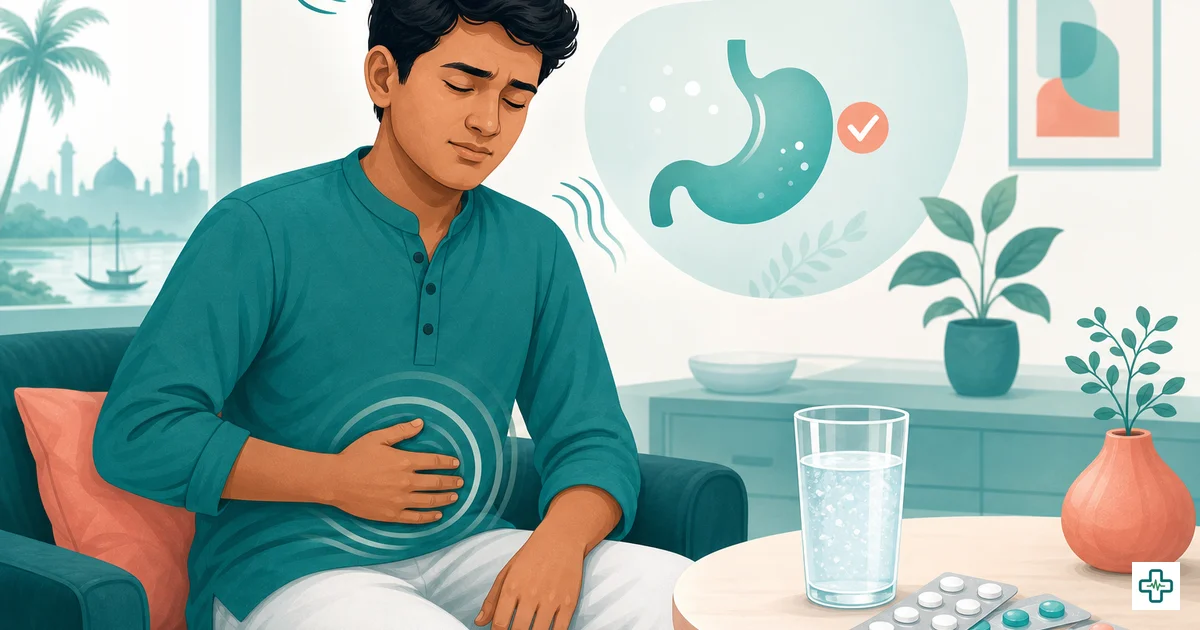
- Gastric ulcer, acidity or stomach bleeding: NSAIDs irritate the stomach lining and can trigger ulcers or bleeding. People with a history of gastric problems should generally avoid them.
- Kidney disease or dehydration: NSAIDs can harm the kidneys, especially in someone who is dehydrated, elderly, or already has kidney problems.
- Late pregnancy: NSAIDs are not recommended in pregnancy, particularly the later months; paracetamol is the usual choice instead.
- Children with viral fever: aspirin in particular must never be given to children with a viral illness because of a rare but serious complication. For children, paracetamol is the standard.
The simple takeaway: when in doubt, choose paracetamol. Reserve NSAIDs for clearly inflammatory pain, in people without the cautions above, and ideally on a doctor's advice. The table below gives a quick comparison.
| Situation | Paracetamol | NSAID (e.g. ibuprofen) |
|---|---|---|
| Simple fever, headache, cold/flu aches | First choice | Usually not needed |
| Dengue or possible dengue fever | Preferred & safe | Avoid (bleeding risk) |
| Gastric ulcer / acidity | Generally safe | Avoid (stomach irritation) |
| Kidney disease / dehydration | Generally safer | Avoid / use with caution |
| Pregnancy (normal dose) | Usually preferred (ask doctor) | Avoid, especially late pregnancy |
| Inflammatory pain (sprain, joint swelling) | Helps pain only | More effective (if no cautions) |
Fever care at home (beyond the tablet)
Medicine is only one part of managing a fever. Often the supportive care matters just as much for comfort and recovery.
- Fluids first: fever increases water loss, so drink plenty — water, oral saline (ORS), soups, fresh juice or coconut water. Keeping well hydrated is one of the most important things you can do, especially in dengue.
- Rest: let the body recover; avoid heavy work or exertion while feverish.
- Stay cool, not cold: wear light clothing and keep the room comfortable. You can sponge the body with normal (room-temperature) water if the fever is high — never use ice-cold water or alcohol, which can cause shivering and is unsafe.
- Light, easy food: offer soft, easily digested meals; do not force feeding, but keep fluids going.
- Watch the pattern: note how high the fever goes, how often it returns, and any new symptoms such as rash, breathing difficulty or severe pain.
Paracetamol brings the temperature down and makes the person comfortable, but it is the fluids, rest and careful watching that carry someone safely through most fevers.
Special situations: pregnancy, children and the elderly
In pregnancy, paracetamol is generally considered the safest pain and fever medicine at normal doses, which is why it is preferred over NSAIDs — but it is still wise to use the lowest effective dose for the shortest time and to check with your doctor. For children, accuracy is everything: dose by weight, use the syrup with its own measure, and never give adult-strength tablets to a small child. For older adults and anyone with liver disease, heavy alcohol use, or very low body weight, the safe ceiling may be lower than 4 g, so these groups should ideally take paracetamol under medical guidance and be especially strict about not double-dosing.
When does fever or pain need a doctor?
Most fevers and everyday pains settle with paracetamol and home care. But some need proper medical assessment, and a few are emergencies. See a doctor if a fever lasts more than three days, keeps climbing despite paracetamol, or comes with danger signs. You can book an appointment with a registered doctor on ChamberBD when you need a professional opinion. Go to a doctor or hospital if you notice any of the following:
- Fever lasting more than 3 days, or very high fever (above about 39–40°C) that does not respond to paracetamol.
- Severe headache with a stiff neck, a rash that does not fade, or sensitivity to light.
- Difficulty breathing, chest pain, persistent vomiting, or inability to keep fluids down.
- Signs of dehydration: very little urine, sunken eyes, extreme weakness or drowsiness.
- In dengue-prone seasons: bleeding gums or nose, black stools, severe belly pain, or sudden worsening as the fever drops — seek care urgently.
- In a baby or young child: a fever in a baby under 3 months, a child who is very drowsy, floppy, refusing all fluids, or having convulsions — this is an emergency.
- Pain that is severe, getting worse, or not controlled by the correct dose of paracetamol.
For child-specific fever guidance and the exact warning signs in little ones, read our companion guide on child fever care and danger signs. And because so much harm comes from grabbing antibiotics off the shelf for a simple viral fever, please also read why you should never self-prescribe antibiotics — paracetamol, not an antibiotic, is what most fevers actually need. When a doctor does prescribe medicine, our free prescription generator helps keep the dose and instructions clear and legible.
Frequently Asked Questions
What is the maximum paracetamol an adult can take in a day?
About 4,000 mg (4 grams) in 24 hours — for example up to eight 500 mg tablets or four 1,000 mg tablets, spread out with at least 4 hours between doses. Never exceed this, because too much paracetamol can cause serious liver damage. If the correct dose is not controlling your fever or pain, see a doctor rather than taking more.
How do I work out the right paracetamol dose for my child?
Dose children by weight, roughly 10–15 mg per kilogram per dose, every 4–6 hours, and no more than 4 doses in 24 hours. Use children's syrup with the measuring device that comes with the bottle, and read the strength on that bottle to know the millilitres. If you are unsure of the weight or the amount, ask a doctor or pharmacist before giving it.
Can I take paracetamol and a cold or flu combination medicine together?
Be very careful. Many cold, flu and body-ache combination tablets and powders already contain paracetamol, so taking them alongside a separate Napa can push you over the safe daily limit without you realising. Check the ingredients of both products and never combine two paracetamol-containing medicines.
Is paracetamol safe during pregnancy?
At normal doses, paracetamol is generally considered the safest fever and pain medicine in pregnancy, which is why it is preferred over NSAIDs like ibuprofen. Even so, use the lowest effective dose for the shortest time and check with your doctor, especially if you need it often.
Why should I avoid ibuprofen or aspirin in dengue?
NSAIDs such as ibuprofen and aspirin can increase the risk of bleeding, which is particularly dangerous in dengue. In dengue-prone Bangladesh, paracetamol is the preferred fever medicine. Avoid NSAIDs and aspirin in any fever that could be dengue unless a doctor has specifically told you it is safe.
What should I do if someone takes too much paracetamol?
Treat it as an emergency and go to the nearest hospital immediately — do not wait for symptoms to appear, because liver damage can develop silently over a day or two. There is an antidote that works best when given early, so acting fast can be life-saving, especially with children.
Does paracetamol cure the illness causing my fever?
No. Paracetamol only lowers the temperature and eases pain so you feel more comfortable; it does not treat the underlying infection or shorten the illness. Your body does the healing, helped by rest and fluids. If the fever lasts more than three days or worsens, see a doctor to find and treat the cause.
This article is for general health education and is not a substitute for professional medical advice. Always follow the dosing on your medicine pack and consult a registered doctor about your own treatment, especially for children, in pregnancy, or if you have liver, kidney or stomach problems.