Antibiotic Resistance: Why Never Self-Prescribe
Antibiotics have saved countless lives, but in Bangladesh they are too often bought from a pharmacy without any prescription, swallowed for a day or two, and then stopped. This casual use is quietly creating one of the biggest health threats of our time: antibiotic resistance, where common infections stop responding to medicine. Understanding how resistance develops, and why you should never start or stop antibiotics on your own, protects both you and your whole community.
What is antibiotic resistance?
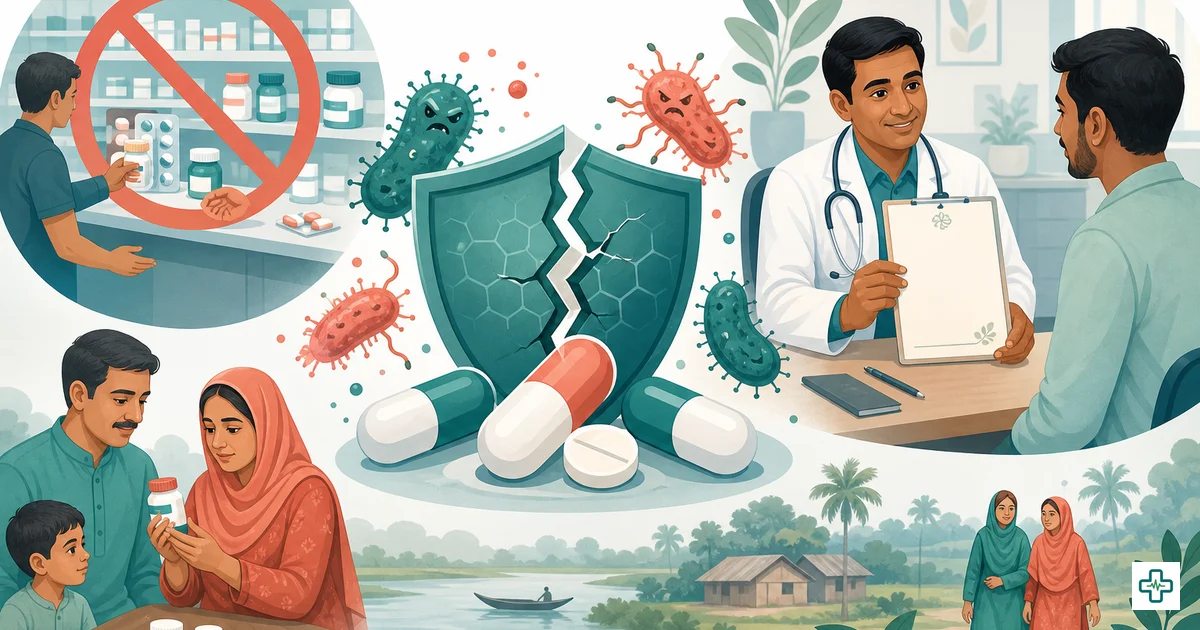
Antibiotic resistance happens when bacteria change so that the medicines designed to kill them no longer work. Each time antibiotics are used incorrectly, the weak bacteria die but the strongest survive and multiply. Over time these hardy survivors become "superbugs" that ordinary antibiotics cannot touch. A simple urinary or wound infection can then become very hard, expensive, or even impossible to treat. Importantly, it is the bacteria that become resistant, not your body, so resistance can spread from person to person.
Why is self-prescribing so dangerous?
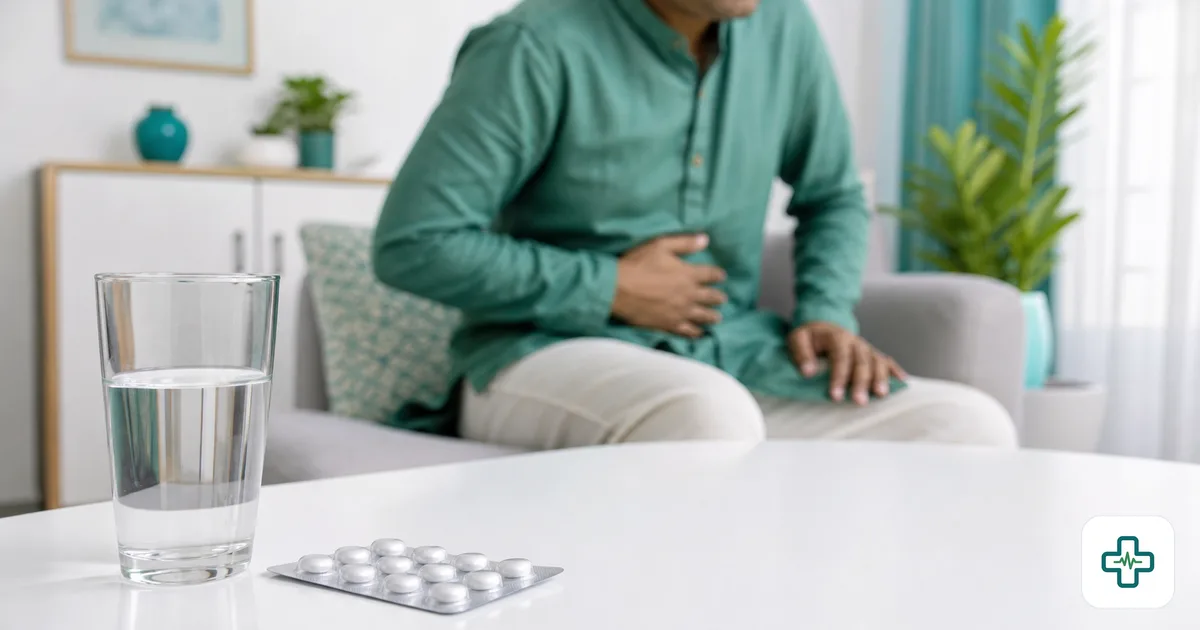
Antibiotics only work against bacteria. Most coughs, colds, sore throats, and viral fevers are caused by viruses, so antibiotics do nothing except expose your body to side effects and breed resistance. When you buy antibiotics yourself, several risks pile up at once.
- You may take the wrong drug for the wrong infection, or no infection at all.
- You usually take too low a dose or stop too early, which trains bacteria to resist.
- You can suffer side effects such as severe diarrhoea, allergic reactions, or harm to the gut's healthy bacteria.
- You may mask a serious illness that needed proper testing and care.
Why must you finish the full course?
When a doctor prescribes antibiotics, the dose and number of days are chosen to wipe out the infection completely. If you stop as soon as you feel better, the toughest bacteria are left alive to recover and return stronger. Always take the medicine at the right times, complete every dose, and never save leftover tablets for next time. If you are told to take antibiotics for seven days, finish all seven days even if you feel fine on day three.
When are antibiotics actually needed?
Antibiotics are genuinely life-saving for confirmed bacterial infections such as typhoid, certain pneumonias, urinary tract infections, skin abscesses, and some childhood illnesses. A registered doctor decides this based on your symptoms, examination, and sometimes a culture test. If antibiotics are right for you, you can verify the prescribed medicine in our medicine directory instead of accepting whatever a shop hands over. For a confirmed bacterial case, a doctor may prescribe a drug whose details you can look up in the directory before starting.
How can you use antibiotics responsibly?
Protecting these precious medicines is something every family can do.
- Never buy antibiotics without a prescription from a registered doctor.
- Do not pressure your doctor for antibiotics when they are not needed.
- Never share your antibiotics with family or neighbours, or use someone else's.
- Keep a clear record of your prescription; a free prescription tool can help your doctor write it legibly.
- Prevent infections in the first place through hand-washing, safe drinking water, and on-time EPI vaccines.
When should you see a doctor?
See a doctor rather than reaching for antibiotics if you have a high fever lasting more than three days, severe sore throat with difficulty swallowing, painful or bloody urination, a wound that is red, swollen and oozing, or breathing difficulty. Seek urgent care if a child becomes very drowsy, refuses all fluids, or has a fever with a stiff neck or rash. A qualified, BMDC-registered doctor can decide whether you truly need an antibiotic; you can find one through our list of registered doctors, and explore more health tips on safe medicine use.
Frequently Asked Questions
Can I stop antibiotics once I feel better?
No. Feeling better means the medicine is working, not that all the bacteria are gone. Stopping early leaves the strongest bacteria alive and encourages resistance, so always finish the full prescribed course.
Will antibiotics cure my cold or viral fever?
No. Colds, most sore throats, and viral fevers are caused by viruses, which antibiotics cannot kill. Taking them for a virus only risks side effects and resistance. Rest, fluids, and fever care are usually enough.
Is it safe to use leftover antibiotics from a previous illness?
No. Old or leftover antibiotics may be the wrong drug, the wrong dose, or expired, and using them without advice can hide a serious illness and worsen resistance. Always see a doctor for a fresh assessment.
Why do shops in Bangladesh sell antibiotics without a prescription?
Although it is discouraged, enforcement is uneven, so many pharmacies still sell them freely. This convenience is exactly what drives resistance, which is why the safest choice is always to get a proper prescription first.
This article is for general health education and is not a substitute for professional medical advice; please consult a registered doctor about your own treatment.