Chamber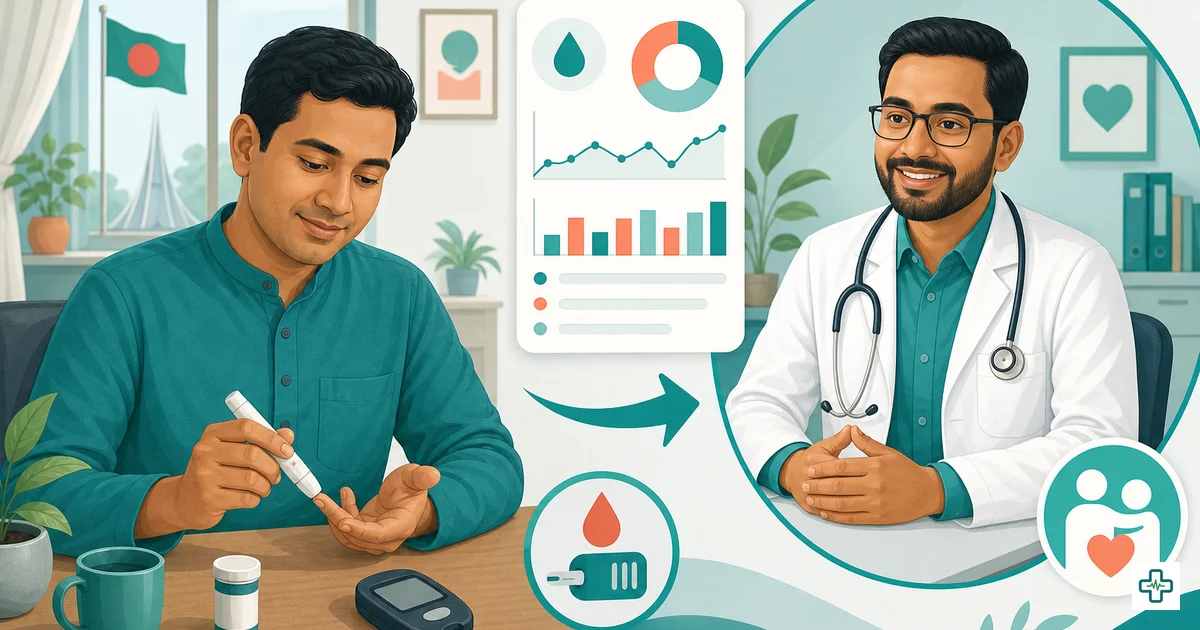
Diabetes: Which Doctor or Specialist Should You See in Bangladesh? (2026)
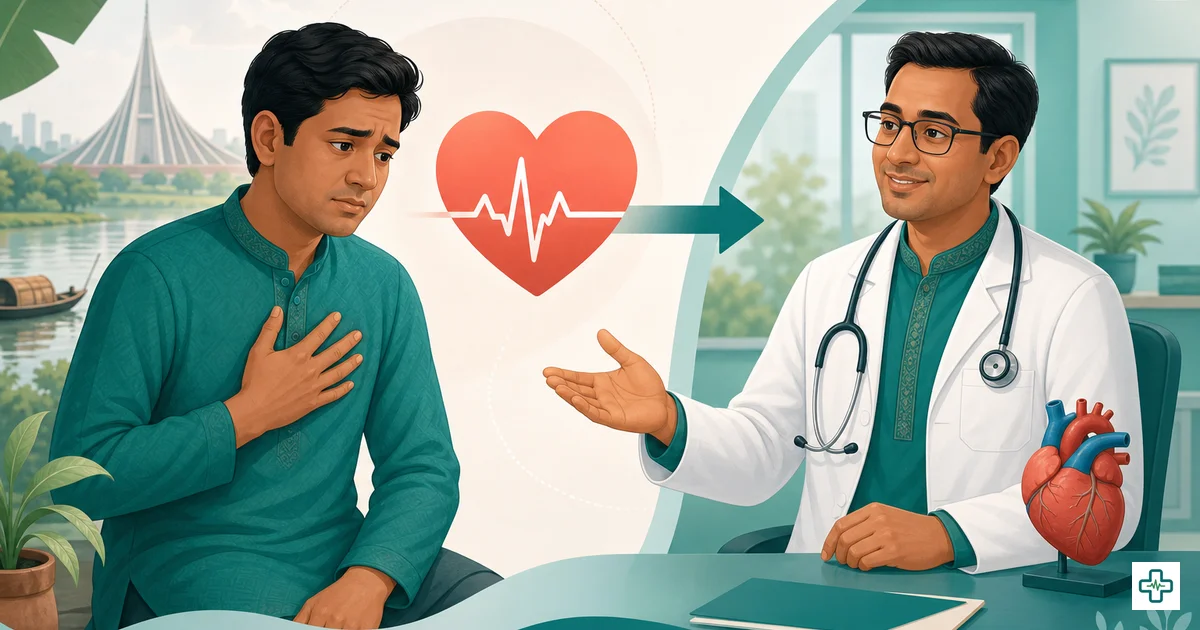
You have just been told your blood sugar is high — or you have lived with diabetes for years and your last HbA1c was not where you wanted it. The very first question most people in Bangladesh ask is simple but important: "ডায়াবেটিস হলে কোন ডাক্তার দেখাব?" — which doctor or specialist should I actually see? The short answer: most people with type-2 diabetes can be managed very well by a general physician (GP) or a medicine specialist, but certain situations clearly need an endocrinologist and diabetes specialist. Knowing the difference saves you money, saves you time, and — most importantly — keeps your sugar controlled before it ever damages your eyes, kidneys, nerves or heart.
This guide explains, in plain language, who treats diabetes in Bangladesh, when a GP or medicine specialist is enough, when you should step up to a specialist, what a good diabetes consultation looks like, and how to find and book the right doctor in minutes on app.chamberbd.com. Diabetes is a lifelong, doctor-led condition — but the good news is that with the right doctor and a steady routine, it is one of the most controllable chronic diseases there is.
Who treats diabetes in Bangladesh? The team behind your sugar
Diabetes is not a "one doctor" disease. Over the years you may interact with several types of clinicians, and each plays a role. Understanding the team helps you pick the right starting point instead of guessing.
- General physician (GP) / family doctor: Often the first person you meet. A GP can diagnose diabetes, start the first medicines, give you diet and lifestyle advice, and follow up your sugar over time. For stable, uncomplicated type-2 diabetes, a good GP is frequently all you need.
- Medicine specialist (internal medicine / "মেডিসিন বিশেষজ্ঞ"): A specialist in internal medicine handles diabetes alongside related problems such as blood pressure, cholesterol and thyroid. Many people in Bangladesh see a medicine specialist as their main diabetes doctor, and this works well for the majority of type-2 cases.
- Endocrinologist and diabetes specialist ("ডায়াবেটিস বিশেষজ্ঞ" / endocrinologist): A doctor who has done extra training in hormone and metabolic disorders, including diabetes. This is the person you want when sugar is hard to control, when insulin or advanced regimens are needed, in type-1 diabetes, in pregnancy, and when complications appear.
- Supporting specialists: Because diabetes can affect the whole body, your main doctor may send you to an eye specialist (ophthalmologist) for retina checks, a kidney specialist (nephrologist) if kidney tests change, a cardiologist for heart risk, a foot/wound or surgery team for foot ulcers, and a dietitian for a personalised meal plan.
Think of it as a team with one captain. Your captain is usually your GP or medicine specialist, and they bring in the endocrinologist and other specialists when the situation needs extra expertise.
When a GP or medicine specialist is enough
For a large share of people with diabetes in Bangladesh, you do not need to start with the most senior specialist in the city. A general physician or medicine specialist is an excellent, affordable choice when your situation is relatively straightforward.
- You have newly diagnosed type-2 diabetes with mildly to moderately raised sugar and no danger symptoms.
- Your diabetes is stable and well controlled on tablets, and your HbA1c is near your target.
- You mainly need routine follow-up, repeat prescriptions, lifestyle coaching and regular monitoring.
- You also have common companions of diabetes — high blood pressure, high cholesterol — that a medicine specialist can manage together in one visit.
- You want a nearby, regular doctor you can see easily for ongoing care rather than travelling far for every checkup.
A capable GP or medicine specialist will order your HbA1c, check your kidneys and cholesterol, examine your feet, advise on diet and activity, and adjust your tablets sensibly. If something is beyond their comfort, a good doctor will refer you onward — that is a sign of strength, not weakness. If you would like to start with a medicine specialist, you can browse and book one on internal medicine specialists in Dhaka.
When you should see an endocrinologist and diabetes specialist
There are clear situations where stepping up to an endocrinologist (diabetes specialist) is the right move. Seeing the right specialist early can prevent years of poorly controlled sugar and the complications that follow.
- Uncontrolled sugar despite treatment: Your HbA1c stays high even though you are taking your medicines and trying with diet, or your sugar swings widely between very high and very low.
- Type-1 diabetes: Usually diagnosed in children, teenagers or younger adults, type-1 always needs insulin and is best managed with specialist input.
- Starting or fine-tuning insulin: If your doctor is starting insulin, or you are on insulin and struggling with doses, hypos (low sugar) or weight changes, a specialist can tailor the regimen.
- Diabetes in pregnancy or gestational diabetes: Sugar control in pregnancy is tighter and time-sensitive; this needs prompt, expert care alongside your obstetrician.
- Complications appearing: Changes in vision, numbness or pain in the feet, foot ulcers, abnormal kidney tests, or heart symptoms all warrant specialist review.
- Other hormone problems: Thyroid disorders, PCOS, very high or unstable sugar with weight loss, or suspected secondary causes of diabetes are squarely in an endocrinologist's field.
- Young or lean people with diabetes: When the picture does not fit typical type-2, a specialist helps confirm the type and the right plan.
You do not have to wait for permission — if any of the above applies, you can directly book a diabetes specialist. Start with diabetes and endocrinology specialists on ChamberBD, or narrow to diabetes specialists in Dhaka. To understand the condition itself, our endocrinology conditions page is a helpful overview.
GP/medicine specialist vs endocrinologist: a quick comparison
| Your situation | Start with GP / medicine specialist | See an endocrinologist (diabetes specialist) |
|---|---|---|
| Newly diagnosed type-2, sugar mildly–moderately high | Yes — usually the right first step | Not essential at first |
| Stable type-2, HbA1c near target on tablets | Yes — routine follow-up | Optional periodic review |
| HbA1c stays high despite medicines | Can begin, but refer onward | Yes — needs specialist input |
| Type-1 diabetes (any age) | For shared follow-up only | Yes — always |
| Starting insulin or complex regimens | May start, often refers | Yes — to fine-tune |
| Pregnancy / gestational diabetes | Initial detection | Yes — promptly, with obstetrician |
| Eye, kidney, nerve or foot complications | Detect and refer | Yes — plus relevant organ specialist |
| Very high sugar with danger symptoms | Go to emergency / urgent care first | Specialist follow-up after stabilising |
Use this as a guide, not a rulebook. The two paths are not rivals — a good GP and a good endocrinologist often work together on the same patient. The aim is simply to land in the right place at the right time.
Warning signs that need prompt care — do not wait for an appointment
Most diabetes care is calm, routine and planned. But certain symptoms are red flags that need urgent attention, sometimes the same day. Learn these and act fast — do not "wait and watch".
- Very high sugar symptoms: Intense thirst, passing large amounts of urine, rapid weight loss, drowsiness, deep or fast breathing, fruity-smelling breath, vomiting or confusion can signal a dangerous emergency (such as diabetic ketoacidosis). Seek emergency care immediately.
- Very low sugar (hypoglycaemia): Shakiness, sweating, palpitations, hunger, confusion, slurred speech or fainting. Take fast sugar at once; if the person cannot swallow or is unconscious, this is an emergency.
- Diabetic foot ulcer or infection: Any wound, blister, blackened area, redness, swelling, pus or bad smell on the foot — even a small one — needs prompt medical care. Diabetic foot problems can worsen very quickly.
- Sudden vision changes: Blurring, dark spots, sudden loss or curtain-like shadow in your sight needs an urgent eye review.
- Chest pain or stroke signs: Chest pressure, breathlessness, face drooping, arm weakness or slurred speech are emergencies — call for help at once.
- Fever with illness when diabetic: Infections can push sugar very high; if you are unwell, eating poorly, or your readings are climbing, contact your doctor early.
If in doubt, get checked. It is always safer to be seen and reassured than to ignore a warning sign in diabetes.
The team approach: eye, kidney, foot and heart checks
Good diabetes care is not only about the sugar number — it is about protecting the organs that high sugar can quietly damage over years. A strong diabetes plan in Bangladesh schedules regular checks, even when you feel completely fine.
Eyes
High sugar can damage the retina (diabetic retinopathy) silently, before you notice any change. A dilated eye examination by an ophthalmologist on a regular schedule catches problems early, when treatment works best. Report any sudden vision change without delay.
Kidneys
Diabetes is a leading cause of kidney disease. Simple urine and blood tests can detect early kidney strain long before symptoms appear, so your doctor can act to protect them. Keeping blood pressure and sugar controlled is the best protection.
Feet
Nerve damage and poor circulation make feet vulnerable. Daily self-checks, good footwear, never walking barefoot, and prompt attention to any wound prevent most serious foot problems. Your doctor should examine your feet regularly.
Heart and blood vessels
People with diabetes are at higher risk of heart disease and stroke, so controlling blood pressure, cholesterol and not smoking matter as much as the sugar itself. This is one reason a medicine specialist who manages all these together is so useful.
What to expect at a diabetes consultation
Knowing what happens in the room helps you prepare and get more from each visit. A thorough diabetes consultation usually covers:
- Your story: How long you have had diabetes, your symptoms, family history, current medicines, diet, activity, and any low-sugar episodes.
- HbA1c — the key test: This blood test reflects your average sugar over about three months and is the main measure of long-term control. Your doctor sets a target with you and uses it to adjust treatment.
- Monitoring review: If you check sugar at home with a glucometer, bring your readings or logbook so patterns are visible.
- Other tests: Kidney function, cholesterol, blood pressure, weight, and a foot and (when due) eye check.
- A clear plan: Adjustments to medicines, diet and activity goals, what numbers to aim for, warning signs to watch, and when to return.
To make the most of your visit, write down your questions beforehand, bring all your medicine boxes, and be honest about what is and is not working in your routine. If you want to keep a tidy record of your prescriptions and follow-ups, doctors on ChamberBD can issue a clear digital prescription you can save and reuse — see our prescription generator to understand the format.
Medicines, diet and lifestyle: your doctor leads, you drive daily
Diabetes treatment is a partnership. Your doctor chooses and adjusts your medicines based on your HbA1c and overall health — these are prescription decisions and should never be started, stopped, swapped or dosed on your own or on a shopkeeper's advice. Between visits, the daily driving is yours: balanced meals, portion control, regular activity, sleep, stress and taking medicines on time.
We deliberately do not list specific drug doses here, because the right medicine and dose are individual. To understand the common diabetes medicines and how doctors use them, read our detailed guide: diabetes medicine in Bangladesh. And because weight and diet are central to type-2 control, our safe weight-loss diet plan for Bangladeshis pairs well with whatever your doctor advises.
How to find and book a diabetes specialist on ChamberBD
Finding the right doctor should be the easy part. ChamberBD lets you search by speciality, see chamber locations and timings, and book an appointment without phone-tag. Here is the simple path:
- Decide your level: For straightforward, stable diabetes, a medicine specialist is a great start. For uncontrolled sugar, insulin, type-1, pregnancy or complications, choose a diabetes specialist.
- Browse specialists: Open diabetes and endocrinology specialists, or for the capital, diabetes specialists in Dhaka. Prefer a generalist for routine care? See medicine specialists in Dhaka.
- Check details: Look at qualifications, chamber location and available times, and pick what is convenient and trusted.
- Book online: Reserve your slot on app.chamberbd.com and arrive prepared with your reports and medicine list.
- Keep your records: Save your prescriptions and HbA1c results so every doctor sees the full picture over time.
For more plain-language guides on living well with diabetes and other conditions, browse our health tips library.
Frequently Asked Questions
Which doctor should I see first when I am diagnosed with diabetes?
For most people with newly diagnosed type-2 diabetes and no danger symptoms, a general physician or a medicine (internal medicine) specialist is an excellent first choice. They can diagnose, start treatment, order your HbA1c and follow you up. If your sugar is very hard to control, you have type-1, you are pregnant, or complications appear, see an endocrinologist (diabetes specialist).
What is the difference between a medicine specialist and an endocrinologist for diabetes?
A medicine specialist manages diabetes alongside common conditions like blood pressure, cholesterol and thyroid, and handles the majority of stable type-2 cases well. An endocrinologist has extra training in hormone and metabolic disorders and is the right choice for difficult-to-control sugar, insulin fine-tuning, type-1, diabetes in pregnancy, and complex cases.
Can a GP or family doctor manage my diabetes long-term?
Yes. For stable, uncomplicated type-2 diabetes, a capable GP can provide excellent long-term care — repeat prescriptions, HbA1c monitoring, foot checks, and lifestyle support — and refer you to a specialist if your situation changes. Many people are well managed by their regular doctor for years.
When is it urgent — should I go to emergency instead of booking an appointment?
Go to emergency or urgent care immediately if you have very high sugar symptoms (intense thirst, drowsiness, deep or fast breathing, fruity breath, vomiting, confusion), severe low sugar with fainting, chest pain or stroke signs, or a rapidly worsening foot infection. These cannot wait for a routine appointment.
What is HbA1c and why does my diabetes doctor keep ordering it?
HbA1c is a blood test that shows your average blood sugar over roughly the last three months. It is the main measure of how well your diabetes is controlled over time and guides whether your doctor keeps or adjusts your treatment. Your doctor will set a personal target with you.
Do I need an endocrinologist if I am starting insulin?
Not always, but it is often very helpful. Some GPs and medicine specialists start and manage insulin confidently. However, if you are struggling with doses, frequent low sugars, or complex regimens, an endocrinologist can fine-tune your insulin safely and tailor it to your routine.
How do I find and book a diabetes specialist near me in Bangladesh?
On ChamberBD, browse diabetes and endocrinology specialists or medicine specialists by city, check their chamber location and timings, and book online in minutes. Start at the diabetes and endocrinology specialists page, narrow to your city, and reserve your slot on app.chamberbd.com.