Chamber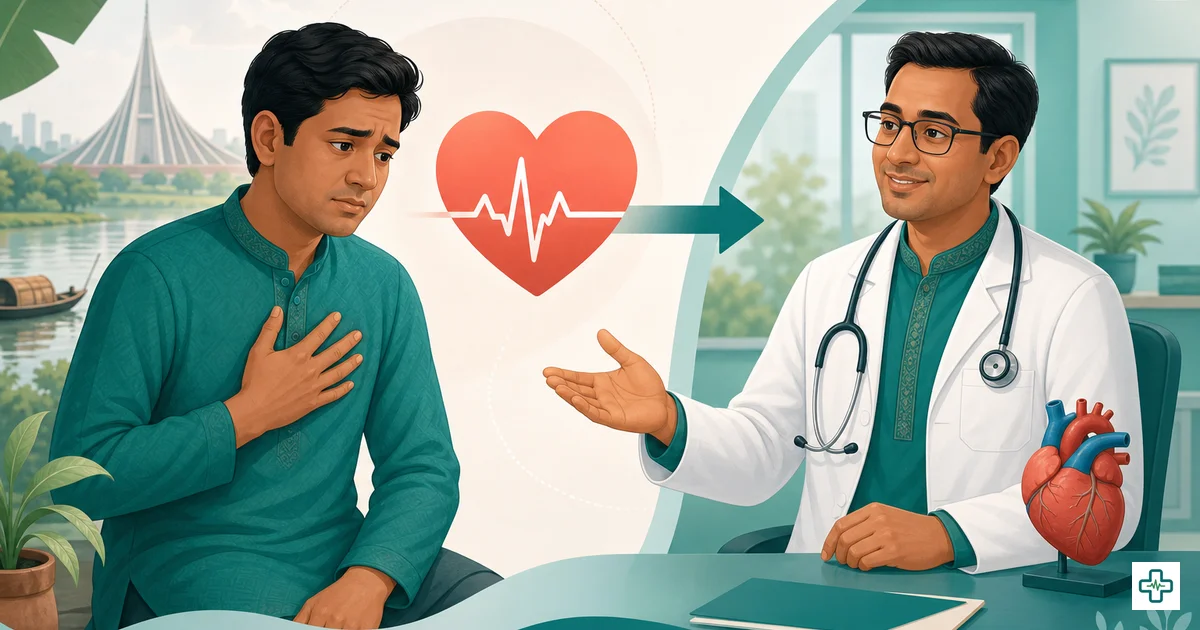
Chest Pain: Which Doctor Should You See in Bangladesh? (2026)
Read this first. If you have sudden, severe chest pain — especially pain that feels like heavy pressure, tightness or crushing in the centre or left side of the chest, with sweating, shortness of breath, nausea, or pain spreading to the left arm, neck, jaw or back — treat it as a possible heart attack. This is a medical emergency. Do not wait for a doctor's appointment, do not drive yourself, and do not lie down at home hoping it passes. Get to the nearest hospital emergency department immediately or arrange urgent transport. Every minute matters when the heart muscle is starving for blood. This article will help you understand the many causes of chest pain and which specialist to see — but if the danger signs above are present, the hospital comes first and everything else can wait.
Why chest pain is so confusing
Chest pain is one of the most alarming symptoms a person can feel, and also one of the most misunderstood. The chest holds the heart, the lungs and major blood vessels, but the same area is shared by the food pipe (oesophagus), the stomach, the ribs and muscles of the chest wall, and a dense web of nerves. Pain from any of these can feel almost identical. A burning ache behind the breastbone might be a heart problem — or it might be simple acidity. A sharp stab when you breathe in might be a lung or muscle issue — or, rarely, something serious. Because the heart is involved, no one can be casually reassured over the phone; the safest approach is to know the warning signs cold and, when in doubt, get checked.
In Bangladesh, heart disease is now a leading cause of death, and it strikes at younger ages than in many Western countries. At the same time, gastric and acidity-related chest discomfort is extremely common because of diet, irregular meals and stress. This mix is exactly why so many people hesitate — they fear the heart but assume it is "just gas." The goal of this guide is to give you a clear, safety-first way to think it through and to point you to the right doctor.
Emergency vs non-emergency: the most important distinction
Before choosing a specialist, you must first decide whether this is an emergency. The table below summarises the difference. If your symptoms match the left column, you need a hospital now — not an outpatient appointment.
| Go to hospital / call emergency NOW | Likely safe to book a clinic appointment |
|---|---|
| Sudden severe pressure, tightness or crushing in the centre/left chest | Mild, brief, well-localised twinge you can point to with one finger |
| Pain spreading to the left arm, neck, jaw, shoulder or back | Pain clearly linked to a heavy meal, spicy food or lying down (suggesting acidity) |
| Chest pain with cold sweat, severe breathlessness, nausea or vomiting | Pain that comes only when you press on a specific spot on the ribs |
| Chest pain with fainting, collapse or a feeling of impending doom | A burning sensation relieved by an antacid or by sitting up |
| Pain that does not ease with rest and lasts more than a few minutes | Discomfort that has been coming and going harmlessly for weeks with normal energy |
| Sudden sharp chest pain with severe breathlessness or coughing blood | Mild soreness after a workout, coughing fit or a recent chest knock |
When the danger signs are present, the diagnosis is made and treated in the hospital — through an ECG, blood tests and immediate treatment. A cardiologist may then take over your care, but the emergency comes first. For more detail on recognising a cardiac emergency, read our companion guide on heart attack warning signs.
The many causes of chest pain
Once an emergency has been ruled out, it helps to understand the broad categories of chest pain. Knowing the likely group makes it far easier to choose the right specialist.
1. Cardiac (heart-related) causes
These are the causes everyone fears, and rightly so. The classic is angina — chest tightness or pressure brought on by exertion (walking uphill, climbing stairs, physical work) and relieved by rest. Angina is a warning that the heart's own blood supply is narrowed, often by coronary artery disease (CAD). A full blockage causes a heart attack. Other cardiac causes include problems with the heart valves, inflammation of the sac around the heart (pericarditis), and, less commonly, a tear in the body's main artery (aortic dissection), which causes sudden, tearing pain and is a dire emergency. Cardiac pain is more likely if you have risk factors: high blood pressure, diabetes, high cholesterol, smoking, a family history of early heart disease, or older age.
2. Acidity, reflux and stomach (gastric) causes
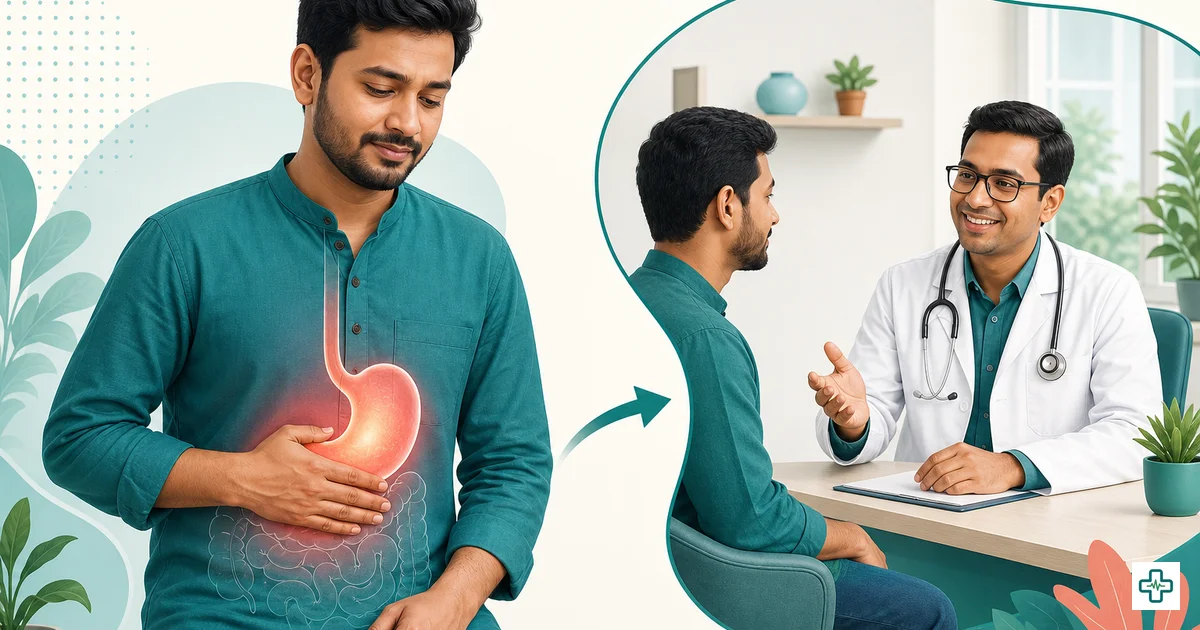
This is probably the single most common cause of chest discomfort in Bangladesh. Acid from the stomach rising into the food pipe (acid reflux or GERD) produces a burning pain behind the breastbone, often worse after a heavy or spicy meal, when lying down, or at night. It may be accompanied by a sour taste, belching or a lump-in-the-throat feeling. Gastric ulcers and gallbladder problems can also cause upper-chest or upper-abdomen pain. The catch is that reflux pain can mimic heart pain closely — which is exactly why "it's just gas" should never be self-diagnosed when the emergency danger signs are present.
3. Muscle, rib and chest-wall (musculoskeletal) causes
Pain from strained chest muscles, a pulled rib joint, or inflammation of the cartilage joining the ribs to the breastbone (costochondritis) is very common and usually harmless. The hallmark is that the pain is reproducible: it gets worse when you press on a specific spot, twist your body, take a deep breath, or move your arm. It often follows heavy lifting, a hard workout, a bout of coughing, or a minor knock to the chest. This kind of pain is reassuring precisely because you can pinpoint and provoke it.
4. Lung (respiratory) causes
The lungs and their lining can cause chest pain too. A chest infection or pneumonia may cause pain with deep breathing along with fever, cough and breathlessness. Pleurisy (inflammation of the lung lining) causes sharp pain that worsens on inhaling. More serious lung causes — a collapsed lung or a blood clot in the lung (pulmonary embolism) — cause sudden sharp pain with marked breathlessness and need emergency care.
5. Anxiety, panic and stress-related causes
Anxiety and panic attacks are a genuine and common cause of chest pain. During a panic attack the chest can feel tight or painful, the heart races, breathing becomes fast and shallow, and the hands tingle — symptoms that themselves feel frightening and can be mistaken for a heart attack. This is real pain, not imaginary, and it deserves proper care. However, because the symptoms overlap so closely with cardiac pain, a first episode usually still needs heart causes excluded before being attributed to anxiety.
Which doctor for which cause?
Here is the practical heart of this guide: matching the likely cause to the right specialist. When the cause is genuinely unclear, the safest first stop is a medicine specialist or a general practitioner (GP), who can assess you, do or arrange an ECG, and refer you onward. When the picture points to the heart, a cardiologist is the right specialist.
| What the pain suggests | Best specialist to see |
|---|---|
| Exertional tightness/pressure, risk factors, or any cardiac suspicion | Cardiologist (হৃদরোগ বিশেষজ্ঞ) |
| Unclear cause, you are unsure where to start, or you need an ECG first | Medicine specialist / GP first, then referral |
| Burning behind breastbone, worse after meals or lying down | Medicine specialist or gastroenterologist |
| Pain reproduced by pressing, twisting or deep breath after strain | GP / medicine specialist (often orthopaedic if persistent) |
| Pain with cough, fever or breathlessness | Medicine specialist or chest/pulmonology specialist |
| Pain during clear panic/anxiety episodes (after heart cleared) | GP/medicine specialist, then psychiatrist/psychologist |
You can browse and book the right specialist directly on ChamberBD. To find a heart specialist, see our cardiology specialists page, or filter by city such as cardiologists in Dhaka. If you would rather start with a general assessment, look at internal medicine (medicine) specialists in Dhaka, who are well placed to evaluate unexplained chest pain and refer you on.
What to expect at the visit
Whether you see a cardiologist or a medicine specialist, the consultation usually follows a familiar pattern. Knowing it in advance makes the visit calmer and more productive.
- History: The doctor will ask exactly what the pain feels like, where it is, what brings it on and what relieves it, how long it lasts, and whether anything spreads to the arm or jaw. Be specific — "pressure when I climb stairs, eases when I rest" tells the doctor far more than "chest pain."
- Risk factors: Expect questions about blood pressure, diabetes, cholesterol, smoking, family history of heart disease, and your stress and activity levels.
- Examination: Blood pressure, pulse, heart and lung sounds, and pressing on the chest wall to check whether the pain is reproducible.
- Basic tests: An ECG is the cornerstone for chest pain and is quick and painless. Depending on the picture, the doctor may add blood tests (including cardiac markers and cholesterol), a chest X-ray, an echocardiogram (ultrasound of the heart), or an exercise (treadmill) test.
- Plan: Based on the findings you will get a clear diagnosis or a plan to reach one — including whether you need urgent attention, further cardiac tests, or treatment for reflux, muscle strain or anxiety.
Bring any previous reports, a list of your current medicines, and a note of your symptoms. If you keep your prescriptions and reports organised, follow-up is far easier — our free prescription generator can help doctors and patients keep a clean, readable record between visits.
How to find and book a cardiologist on ChamberBD
Finding the right heart specialist should not be a struggle. ChamberBD lets you search by specialty and city, see each doctor's qualifications, chamber, fees and available times, and book without phone-tag.
- Start with the specialty page: open cardiology specialists to see heart doctors across Bangladesh.
- Narrow by city: choose your location, for example cardiologists in Dhaka, to find a chamber near you.
- Not sure it is the heart? Begin with a medicine specialist in Dhaka for a general assessment and referral.
- Book and manage online: create or sign in to your account at app.chamberbd.com to book appointments and keep your records in one place.
For more plain-language guides on heart health and prevention, visit our health tips library.
Protecting your heart and preventing chest pain
Many cardiac causes of chest pain are linked to risk factors you can influence. Controlling blood pressure is one of the most important steps, because uncontrolled hypertension silently damages the heart and arteries over years; our guide on high blood pressure and heart medicine in Bangladesh explains this in detail. Keeping blood sugar and cholesterol in range, not smoking, staying physically active, eating more vegetables and less fried and salty food, and managing stress all lower your risk. Knowing the warning signs of stroke as well as heart attack means you can act fast for yourself and your family. Prevention will not remove every cause of chest pain, but it dramatically reduces the most dangerous ones.
Frequently Asked Questions
How do I know if my chest pain is a heart attack or just gas?
You often cannot tell for certain on your own, which is why the danger signs matter most. Treat it as a possible heart attack and go to hospital immediately if the pain is sudden and severe, feels like pressure or crushing, spreads to the arm, neck or jaw, or comes with sweating, breathlessness or nausea. Pain that is purely a brief, pinpoint twinge, that you can reproduce by pressing on the chest, or that clearly follows a heavy meal and eases with an antacid is more likely to be gastric or muscular — but if you are frightened or in doubt, get it checked.
Which doctor should I see for chest pain in Bangladesh?
If the pain suggests the heart — exertional tightness, or you have risk factors like high pressure, diabetes or smoking — see a cardiologist (হৃদরোগ বিশেষজ্ঞ). If the cause is unclear or you simply do not know where to start, a medicine specialist or GP is the best first stop; they can do an ECG and refer you onward. You can browse both on ChamberBD's cardiology and internal medicine specialist pages.
Can acidity or gastric problems really cause chest pain?
Yes, very commonly. Acid rising from the stomach into the food pipe causes a burning pain behind the breastbone, often worse after meals or when lying down. It can mimic heart pain closely, which is why you should never assume "it's just gas" when the cardiac danger signs are present. A medicine specialist or gastroenterologist can confirm reflux and manage it.
Is chest pain from anxiety or a panic attack dangerous?
The chest pain of a panic attack is real and uncomfortable but not, in itself, harmful to the heart. The difficulty is that its symptoms — tightness, racing heart, fast breathing — overlap with a heart attack. For a first episode, doctors usually still rule out heart causes before attributing it to anxiety. Once the heart is cleared, anxiety-related chest pain is best managed with help from a GP and, if needed, a psychiatrist or psychologist.
What tests are done to check chest pain?
The first and most important is an ECG, which is quick and painless. Depending on what the doctor finds, this may be followed by blood tests (including cardiac markers and cholesterol), a chest X-ray, an echocardiogram (heart ultrasound), or an exercise treadmill test. Together these help separate cardiac causes from acidity, muscle, lung or anxiety-related pain.
Can young people get serious chest pain too?
Most chest pain in young, healthy people is from muscle strain, acidity or anxiety rather than the heart. However, heart disease in Bangladesh does affect people at younger ages than in many countries, so young adults with risk factors or with the emergency danger signs should not ignore chest pain. When in doubt, get an ECG — it is simple and reassuring.
Should I take a painkiller and wait at home if my chest hurts?
No — not if any emergency danger sign is present. Masking possible cardiac pain with a painkiller and waiting at home is dangerous and wastes time the heart cannot spare. If the pain is severe, pressure-like, spreading to the arm or jaw, or comes with sweating or breathlessness, go to hospital immediately. Only mild, clearly non-cardiac pain (such as a reproducible muscle ache) is reasonable to manage at home, and even then a clinic visit is wise if it persists.