Heart Attack: 7 Warning Signs You Must Never Ignore
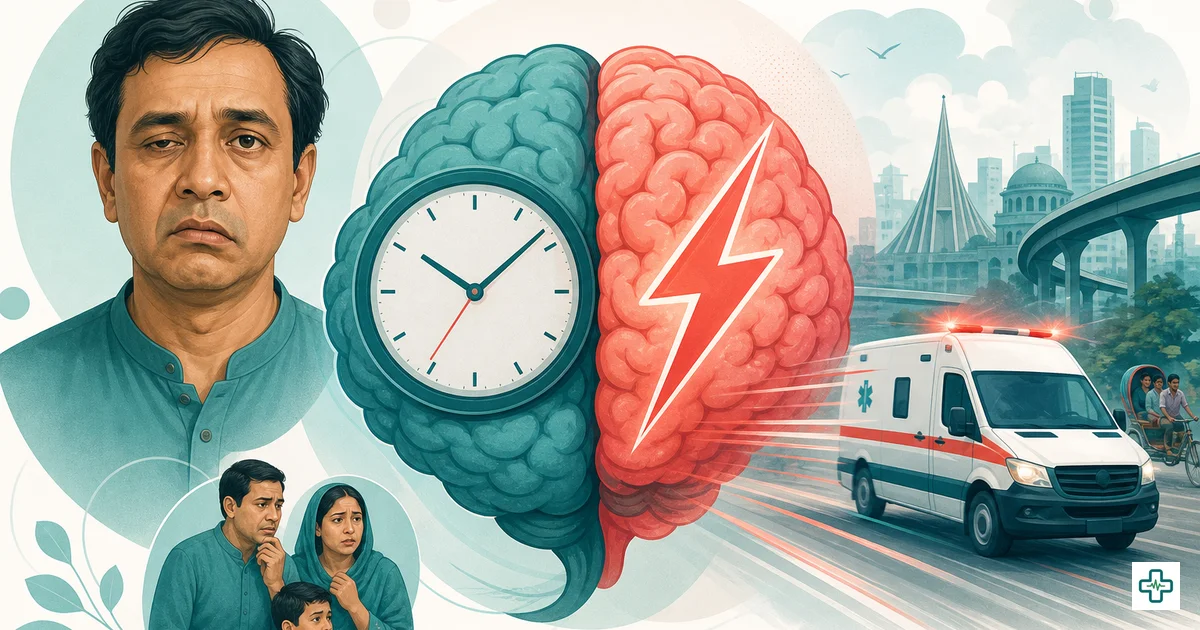
Heart attacks are striking Bangladeshis at younger ages than ever before, and many lives are lost simply because the early warning signs were brushed aside as "gas" or ordinary tiredness. With heart disease now among the leading causes of death in the country, knowing what a heart attack actually feels like can be the difference between life and death. The first hour matters most, so recognising the signals and acting fast is something every family should understand.
What are the 7 warning signs of a heart attack?
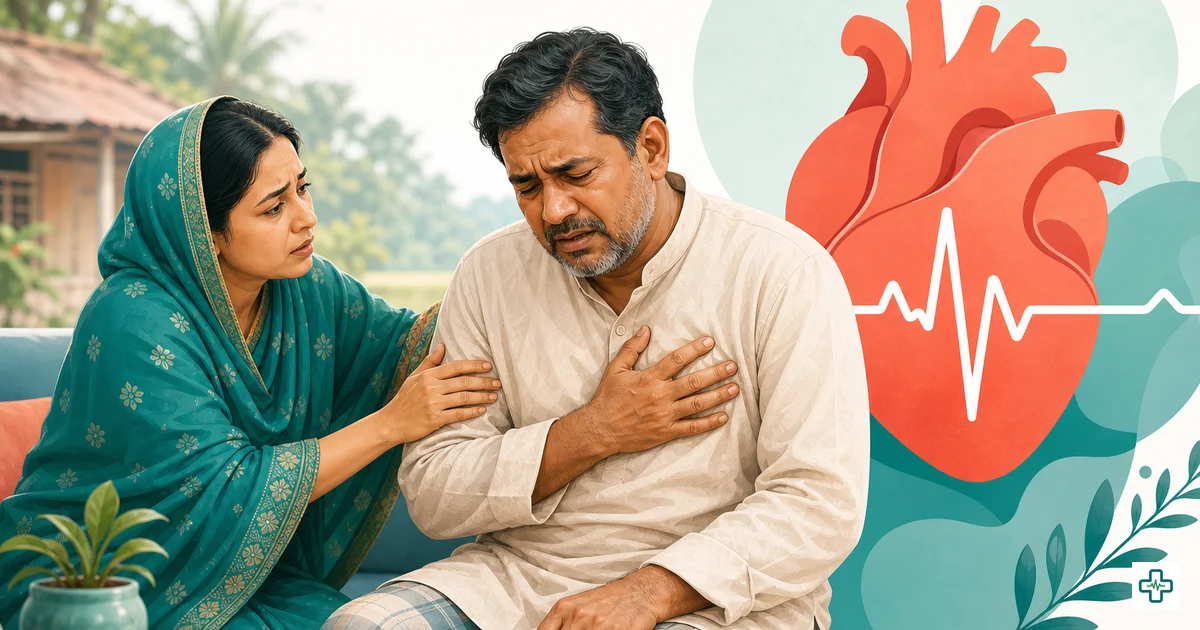
A heart attack does not always feel like the dramatic chest-clutching scene from films. The most common signals are chest pressure, pain spreading to the left arm or jaw, and sudden breathlessness. Other important signs include a cold sweat, nausea, unusual fatigue and dizziness.
- Chest pressure or heaviness: a squeezing, tight or burning feeling in the centre of the chest lasting more than a few minutes.
- Pain in the left arm or jaw: discomfort radiating to the arm, shoulder, neck, jaw or back.
- Breathlessness: difficulty breathing, with or without chest pain.
- Cold sweat: breaking into a clammy sweat without any exertion.
- Nausea or vomiting: often mistaken for indigestion or gastric trouble.
- Unusual fatigue: sudden, extreme tiredness that may appear days earlier.
- Dizziness: feeling faint or light-headed, sometimes with palpitations.
Are heart attack symptoms different in women?
Yes, women often have "atypical" symptoms that are easy to miss. Instead of crushing chest pain, many women experience breathlessness, nausea, jaw or upper-back pain, extreme fatigue or indigestion-like discomfort. Because these signs feel mild, women in Bangladesh frequently delay going to hospital, which worsens their outcome. Any unexplained, persistent discomfort above the waist deserves urgent attention.
What should you do immediately?
Treat any suspected heart attack as an emergency. Stop all activity, sit or lie down, and reach the nearest hospital with a cardiac facility as fast as possible. Do not try to wait and see at home or sleep it off.
- Get someone to take you to hospital at once. Never drive yourself, as you could lose consciousness on the way.
- Chew an aspirin only if a doctor or emergency service advises it and you are not allergic; do not self-medicate beyond that.
- Loosen tight clothing and stay as calm as you can while arranging transport.
- If the person stops breathing normally and is unresponsive, start CPR if you are trained.
Why are heart attacks rising in Bangladesh?
Several everyday factors are driving the increase. Widespread tobacco use, salty and fried foods, uncontrolled high blood pressure, diabetes and high cholesterol all damage the arteries over time. Physical inactivity in busy city life, stress and obesity add to the load. Many people also skip regular check-ups, so these risks stay hidden until a heart attack strikes. A strong family history of early heart disease raises the danger further.
How can you protect your heart?
Most heart attacks are preventable through everyday choices. Controlling blood pressure is one of the single most important steps, as explained in our guide on 10 ways to control high blood pressure.
- Eat more vegetables, fish and whole grains; cut back on fried snacks, extra salt and sugary drinks.
- Stay active with at least 30 minutes of brisk walking on most days of the week.
- Quit smoking and all smokeless tobacco, including jorda and gul.
- Keep blood sugar, cholesterol and weight in a healthy range with regular reviews.
When should you see a doctor?
Go to an emergency department immediately if you have chest pressure lasting more than a few minutes, pain spreading to the arm or jaw, breathlessness, a cold sweat or fainting. Do not wait for the symptoms to pass, and do not rely on home remedies. Even if you are unsure, getting checked is always safer. To manage ongoing risks like hypertension, diabetes or a family history of heart disease, book a verified doctor on ChamberBD to consult a cardiologist or physician and keep your heart under regular review.
This article is for general health education and is not a substitute for professional medical advice.