Stress Management: Daily Techniques That Calm Your Body and Mind
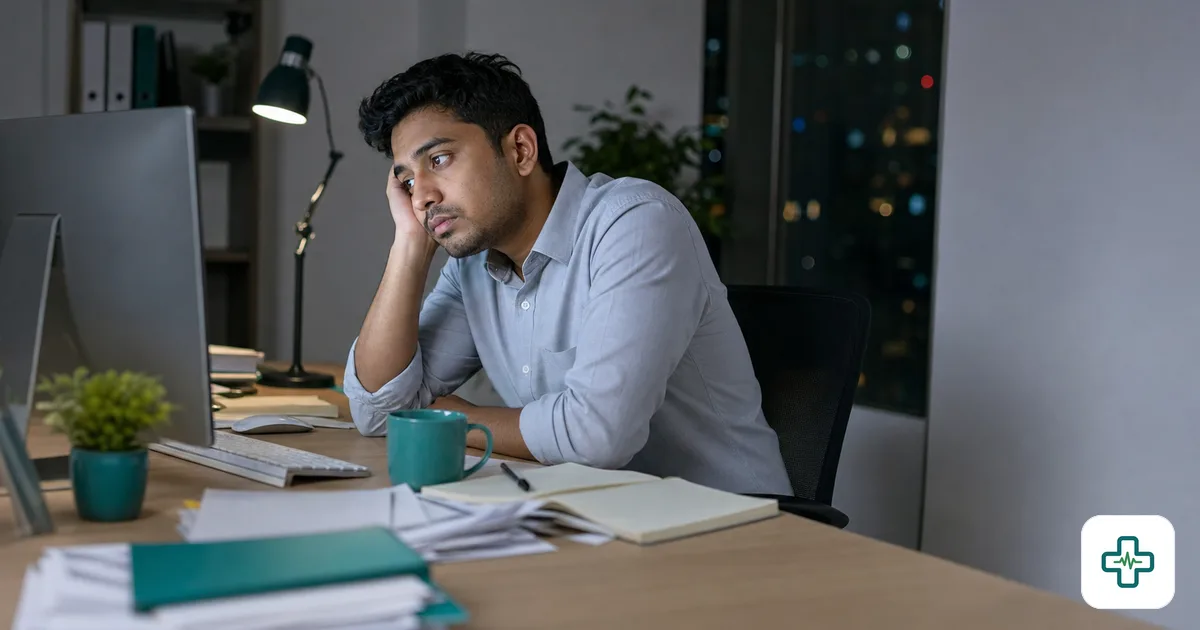
Bangladeshi life rarely slows down — punishing traffic, job insecurity, exam pressure, family expectations and rising prices all pile up day after day. A little stress is normal and even useful, but when it never switches off, it quietly wears down your body and mind. The encouraging news is that simple daily habits, practised consistently, can calm your nervous system and protect your long-term health.
How does long-term stress harm your body?
Chronic stress is not just in your head. It keeps stress hormones high, which can push up your blood pressure and blood sugar, disturb sleep, and worsen gastric and acidity problems. Over months and years this raises the risk of heart disease, diabetes and burnout, and it weakens your immunity so you fall sick more often.
How do you recognise your own stress signals?
Stress shows up differently in each person, so learning your personal pattern is the first step. Common signals include a tight chest or headache, a racing heart, disturbed sleep, irritability, constant worry, loss of appetite or overeating, and difficulty concentrating. When you notice these early, you can act before they snowball into something bigger.
Daily techniques that calm body and mind
You do not need expensive therapy or hours of free time. These simple, evidence-based habits work well when done regularly:
- Box breathing: breathe in for 4 counts, hold for 4, breathe out for 4, hold for 4 — repeat for two minutes whenever you feel tense.
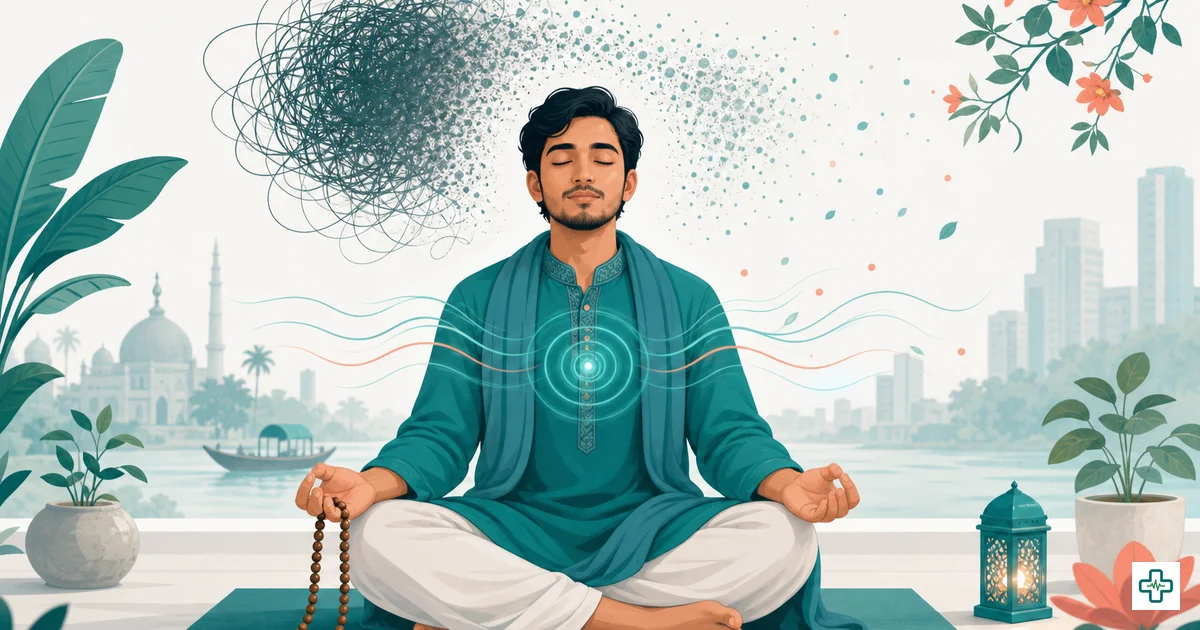
- Prayer and mindfulness: a few minutes of namaz, meditation or simply sitting quietly and noticing your breath can reset a racing mind.
- Move your body: a brisk 30-minute walk is one of the best 'stress medicines' there is, releasing tension and lifting mood.
- Write or talk it out: jot worries in a notebook or share them with someone you trust — naming a problem often shrinks it.
- Limit screens and news-scrolling: set fixed times to check your phone, and stop endless doom-scrolling, especially before bed.
- Say no and time-box: protect your limits, break big tasks into small slots, and take short breaks between them.
Does tea or a cigarette really relieve stress?
It feels that way, but it is a trap. Nicotine and caffeine give a brief lift, then leave you more anxious and dependent as the effect wears off, so you reach for the next one. Cigarettes, extra cups of strong tea and skipped meals make stress worse over time, not better. Real relief comes from rest, movement, connection and breathing — not from a stimulant.
Build a support circle
Humans cope far better together. Stay connected with family, friends, neighbours or a community group, and make time for honest conversation rather than facing everything alone. Helping others and accepting help both lower stress. Even a short daily chat over tea, a shared walk, or time spent on a hobby you enjoy can recharge you and put your problems in perspective. If money or work problems are the root cause, practical steps — a budget, a plan, advice from someone experienced — often ease the pressure more than worry ever will.
When should you see a doctor?
Sometimes stress tips into something that needs professional care. See a doctor if low mood, anxiety or sleeplessness lasts more than two weeks, if you cannot carry out daily work, if you have panic attacks, or if you ever have thoughts of harming yourself — seek help urgently in that case. Our article on recognising depression and anxiety explains the warning signs, and you can consult qualified professionals through our doctor directory. Asking for help is a sign of strength, not weakness.
This article is for general health education and is not a substitute for professional medical advice.