Depression and Anxiety: How to Recognise Them and Where to Get Help
A “mon kharap” that never lifts, a racing heart with no heart disease, sleepless nights spent worrying — millions of Bangladeshis live with depression or anxiety, yet most never get help. Mental illness is still dismissed here as weakness, lack of faith or “paglami”, so people suffer silently for years. Let us be clear from the start: depression and anxiety are medical conditions, like diabetes or high blood pressure — they are nobody's fault, and they are treatable.
How is depression different from ordinary sadness?
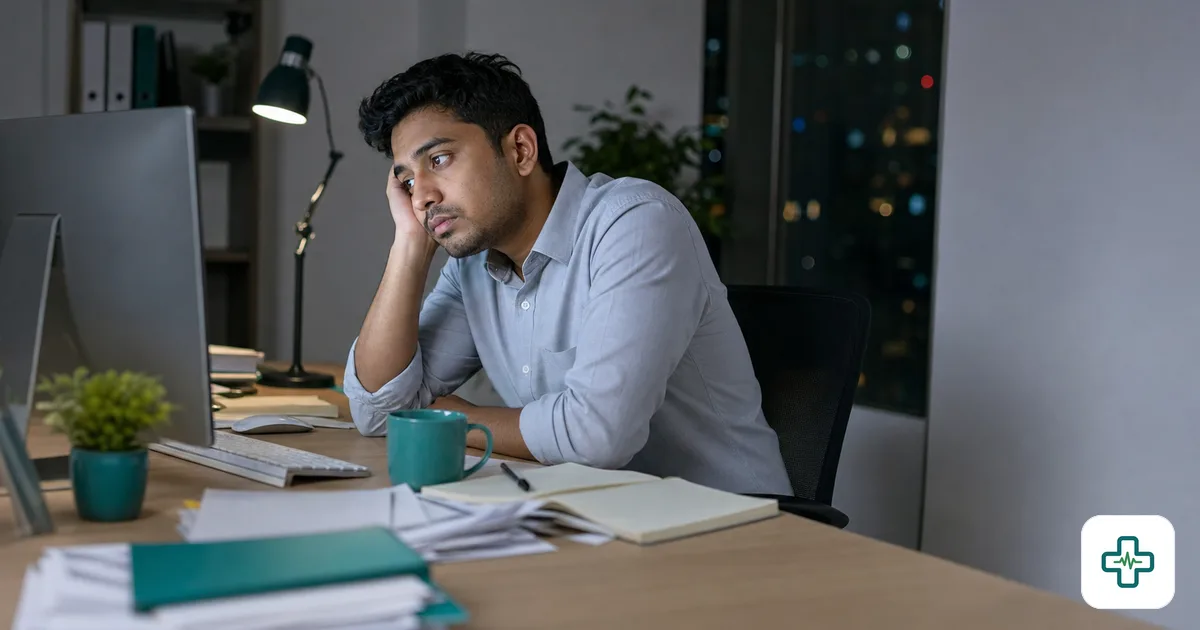
Sadness after a loss, a failed exam or a bad week is normal and fades within days. Depression is different: a heavy low mood or emptiness that persists most of the day, nearly every day, for two weeks or more, and starts to affect work, studies and relationships. It is not something a person can simply “snap out of” by willpower.
Common signs include:
- Loss of interest or pleasure in things once enjoyed, even family and friends.
- Sleeping too little or too much; changes in appetite and weight.
- Constant tiredness, slowed thinking, trouble concentrating.
- Feelings of guilt, worthlessness or hopelessness about the future.
- In some people: irritability, unexplained crying, or recurring thoughts of death.
What does anxiety look like?
Anxiety disorder is worry that becomes excessive, constant and out of proportion — the mind keeps imagining disasters even when life is stable. The body joins in with palpitations, chest tightness, breathlessness, trembling, sweating and restlessness. Panic attacks — sudden waves of intense fear with a pounding heart — feel so physical that many people rush to emergency rooms convinced they are having a heart attack.
Depression and anxiety also speak through the body: unexplained headaches, body aches, and stubborn “gastric” trouble that never improves despite endless antacids and tests (see our guide on gastric and acidity problems). If every test comes back normal, the real cause may be in the mind — and that deserves treatment just as much.
What can you do yourself?
Self-care does not replace treatment, but it genuinely helps. Talk honestly to someone you trust instead of bottling everything up. Keep a simple daily routine with fixed sleep and meal times, walk or exercise for 30 minutes most days, and get some morning sunlight.
- Limit doomscrolling and late-night social media — constant comparison and bad news feed both conditions.
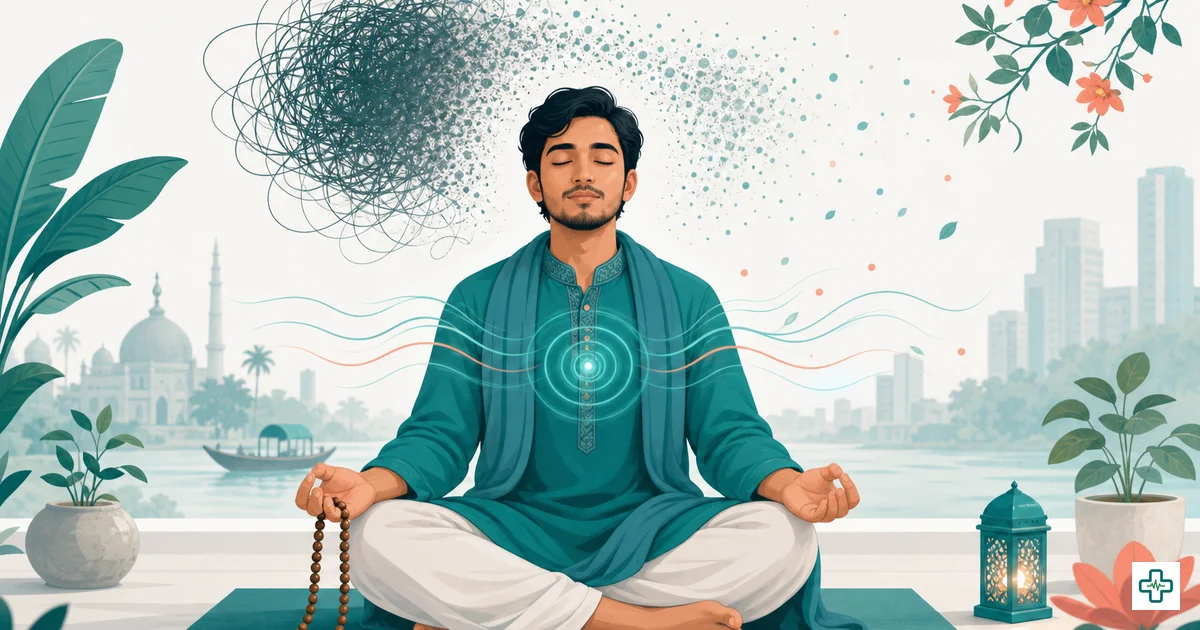
- Prayer, dhikr or meditation and slow-breathing exercises calm the body's alarm system.
- Avoid “self-medicating” with sleeping pills, painkillers, or any substance.
- Set one small, achievable task a day; depression loosens its grip as activity slowly returns.
Where can you get professional help in Bangladesh?
Two kinds of specialists help: psychiatrists, who are medical doctors able to diagnose and prescribe medication, and psychologists, who provide counselling and talk therapy such as CBT. Many people improve with therapy alone, others need medication for some months, and many need both — that decision belongs to the specialist, not the pharmacy. Confidential emotional-support helplines such as Kaan Pete Roi also exist in Bangladesh when you simply need someone to listen. You can discreetly book a verified psychiatrist or psychologist on ChamberBD — seeking help is a sign of strength, not shame.
How can you support a loved one?
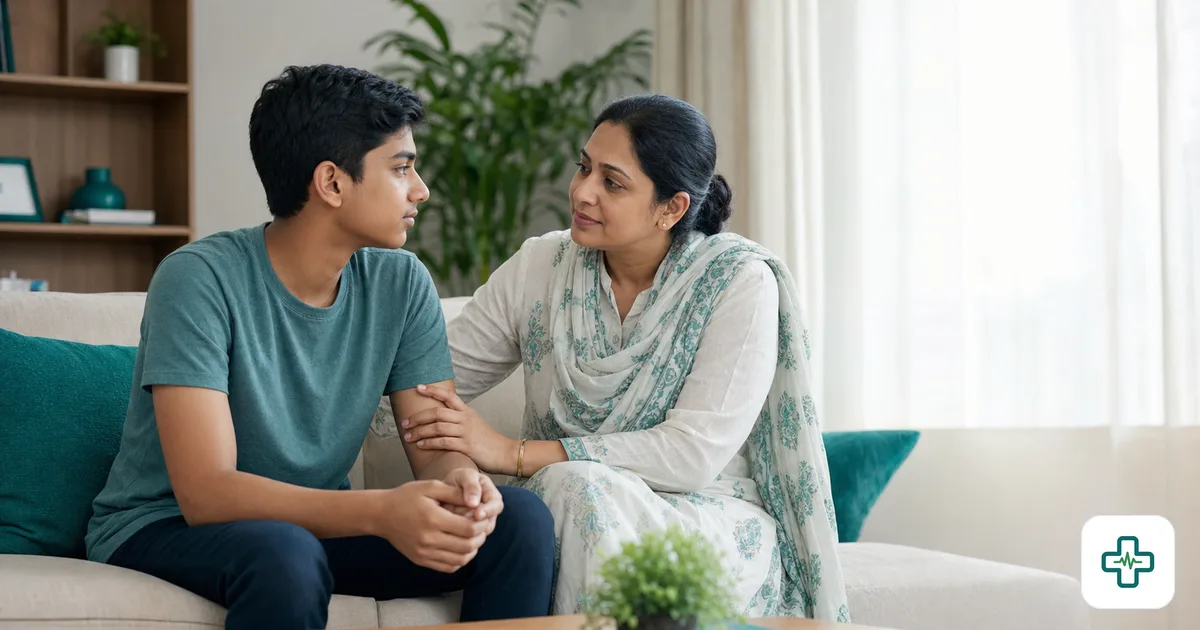
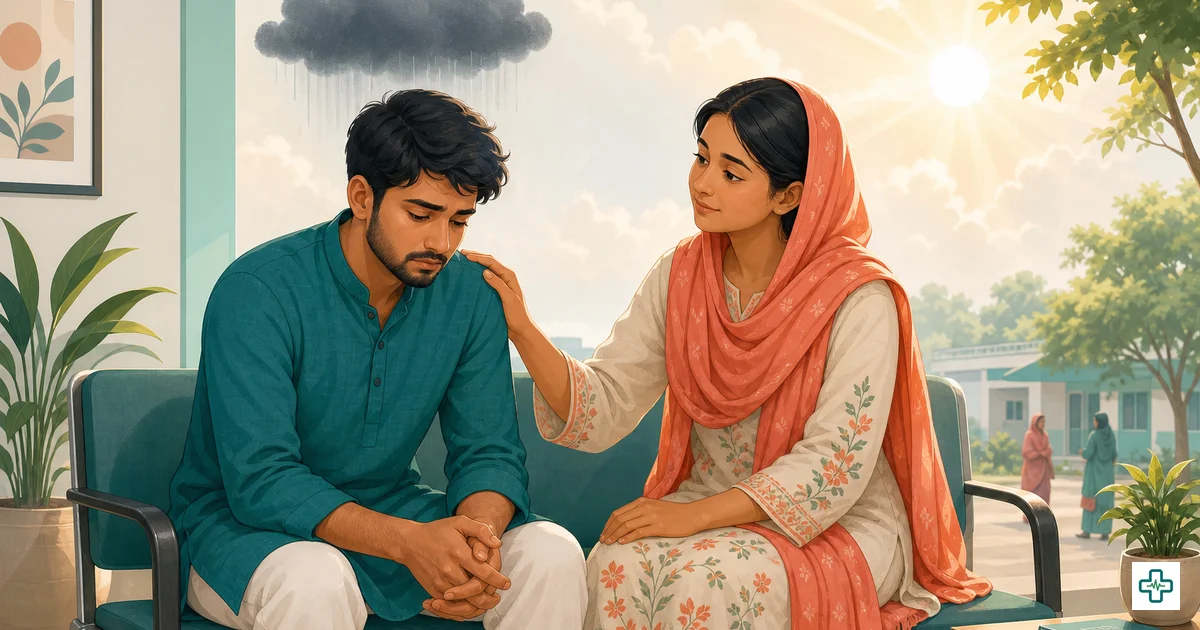
Listen patiently, without interrupting, judging or offering instant solutions. Never say “it's all in your head”, “others have it worse” or “just pray and it will pass” — such words push people deeper into silence. Instead, tell them you are there, help with small daily tasks, and gently offer to go along to a doctor's appointment.
When should you see a doctor?
Seek professional help without delay if low mood or anxiety has lasted more than two weeks, is affecting work or family life, or keeps getting worse. Do not wait for it to become “serious enough” — earlier treatment means faster recovery.
- Any thoughts of self-harm or suicide, or talk like “everyone would be better off without me” — treat this as a medical emergency: do not leave the person alone, remove harmful objects, and get them to a hospital or doctor immediately.
- Panic attacks, or chest symptoms that first need a heart check to rule out cardiac disease.
- Not eating, not sleeping, or being unable to get out of bed for days.
- Hearing voices, extreme suspicion or confused behaviour.
- Using alcohol or drugs to cope with the pain.
This article is for general health education and is not a substitute for professional medical advice.