Chamber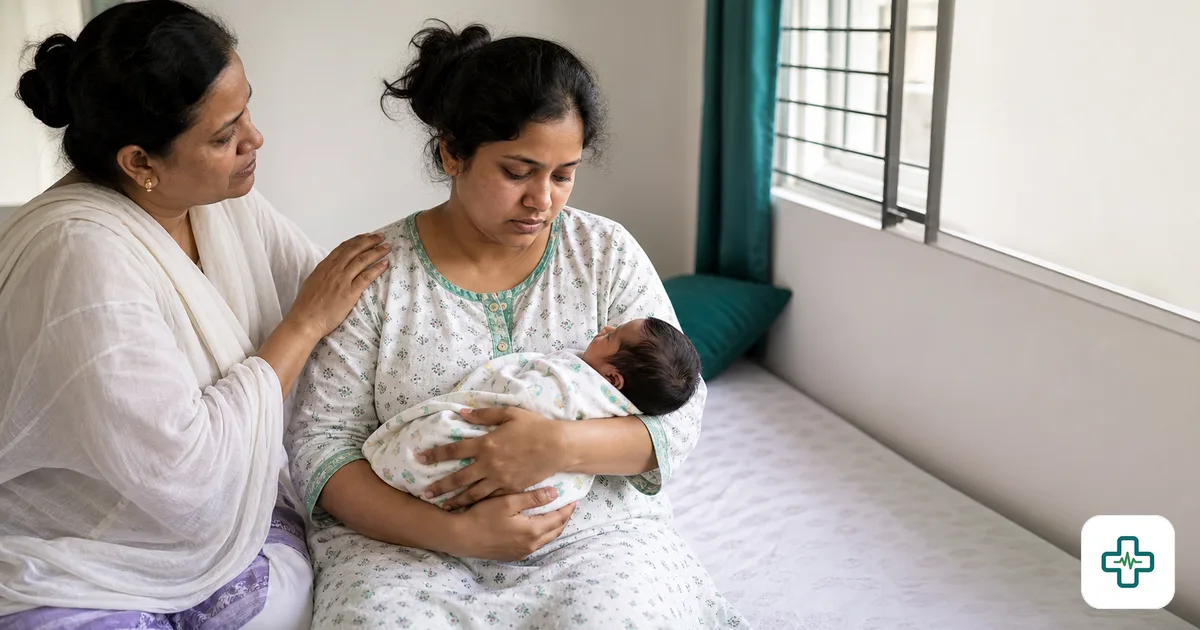
Postpartum Depression: Signs and New-Mother Support
The arrival of a new baby is meant to be a joyful time, yet many new mothers in Bangladesh quietly struggle with deep sadness, anxiety and exhaustion in the weeks and months after delivery. This is far more common than people realise, and it is not a sign of weakness or of being a bad mother. Postpartum depression is a real medical condition that can affect any woman, regardless of her background, and it responds very well to support and treatment. Talking about it openly is the first step toward recovery.
What is postpartum depression?
Postpartum depression is a form of depression that begins during pregnancy or in the first year after childbirth. It is driven by a mix of rapid hormonal changes, sleepless nights, physical recovery from delivery, and the huge emotional adjustment of caring for a newborn. It can affect mothers after a normal delivery or a caesarean, after a first baby or a later one. It is a health condition, not a character flaw, and it deserves the same care as any physical illness.
How is it different from the baby blues?
Most new mothers feel weepy, irritable and overwhelmed in the first few days after birth. This is called the baby blues, it is very common, and it usually fades on its own within about two weeks. Postpartum depression is different: it lasts longer, feels deeper, and interferes with daily life and bonding with the baby. If low mood is still strong after two weeks, or is severe at any point, it should be taken seriously.
What are the warning signs?
Warning signs that point to depression rather than ordinary tiredness include:
- Persistent sadness, emptiness or frequent crying that does not lift.
- Loss of interest or pleasure in the baby or in things once enjoyed.
- Severe tiredness, yet being unable to sleep even when the baby sleeps.
- Feeling worthless, guilty, or like a failure as a mother.
- Excessive worry about the baby, or at times little interest in the baby.
- Changes in appetite, poor concentration, or withdrawing from family.
Any thoughts of harming herself or the baby are a medical emergency and need help the same day.
How can the family support a new mother?
In Bangladesh, family support makes an enormous difference, and the people around a new mother are often the first to notice she is struggling. Practical, judgement-free help is powerful:
- Share the night feeds, nappy changes and housework so she can rest and sleep.
- Listen without blaming, and never dismiss her feelings as drama or weakness.
- Make sure she eats well, drinks enough water, and gets a little daylight.
- Encourage her to talk to a doctor, and go with her to the appointment.
Reassuring her that she is a good mother and that this can get better is part of the treatment.
How is postpartum depression treated?
The good news is that postpartum depression is very treatable. Mild cases often improve with rest, family support, and counselling or talking therapy. Moderate to severe depression may need medication, and a doctor can choose antidepressants that are considered compatible with breastfeeding. Never start or stop any medicine on your own. A registered specialist will guide treatment safely; you can find one through our list of registered doctors, look up any prescribed medicine in our medicine directory, and keep a clear record using our free prescription tool.
When should you see a doctor?
See a doctor if low mood, anxiety or crying last more than two weeks, if a mother cannot care for herself or her baby, or if she feels hopeless or detached from the baby. Seek emergency help immediately if there are any thoughts of suicide or of harming the baby, or signs of confusion, hearing voices, or unusual beliefs, as these can be a rare but serious condition called postpartum psychosis. Asking for help early leads to faster recovery.
Frequently Asked Questions
Is postpartum depression my fault?
No. It is a medical condition caused by hormonal, physical and emotional changes after childbirth, not by any failing on your part. Blaming yourself only delays recovery; reaching out for support is the strong and right thing to do.
Can I take antidepressants while breastfeeding?
Several antidepressants are considered reasonably safe during breastfeeding, and a doctor will choose the most suitable one for you and your baby. Do not start medication on your own, and do not stop a prescribed medicine suddenly without advice.
How long does postpartum depression last?
With support and treatment, many mothers feel much better within a few weeks to months. Left untreated it can last much longer, which is why getting help early matters so much.
Can fathers or partners get depressed too?
Yes. Partners can also feel low, anxious and overwhelmed after a baby arrives, and they deserve support as well. You can read more about emotional wellbeing in our collection of health tips.
This article is for general health education and is not a substitute for professional medical advice; please consult a qualified doctor about your own situation.