Chamber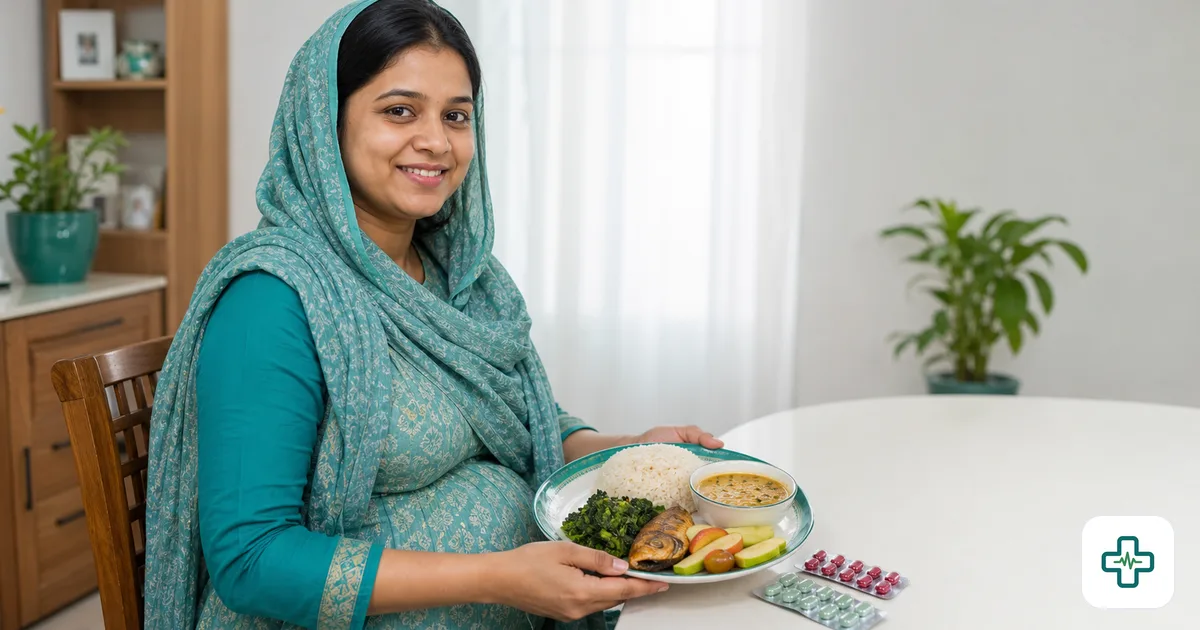
Pregnancy Nutrition: Iron, Folic Acid and Diet
Pregnancy is a time when what a mother eats nourishes two lives at once. In Bangladesh, anaemia and poor nutrition during pregnancy remain common, yet they are largely preventable with the right food and simple supplements. Good nutrition supports the baby's growth and brain development, protects the mother's strength, and lowers the risk of complications during pregnancy and delivery. You do not need expensive foods to eat well; a balanced plate of everyday local foods, along with the supplements your doctor advises, goes a long way.
Why does nutrition matter in pregnancy?
During pregnancy the body needs extra energy, protein, vitamins and minerals to build the baby's body and the placenta, increase the mother's blood volume, and prepare for breastfeeding. Eating well is not about eating for two in quantity, but about choosing more nourishing foods. Good nutrition reduces the chance of low birth weight, anaemia, and some birth defects, and helps the mother recover after delivery. Regular antenatal check-ups allow your doctor to monitor weight, blood pressure and blood count.
Why are iron and folic acid so important?
Two nutrients deserve special attention in pregnancy.
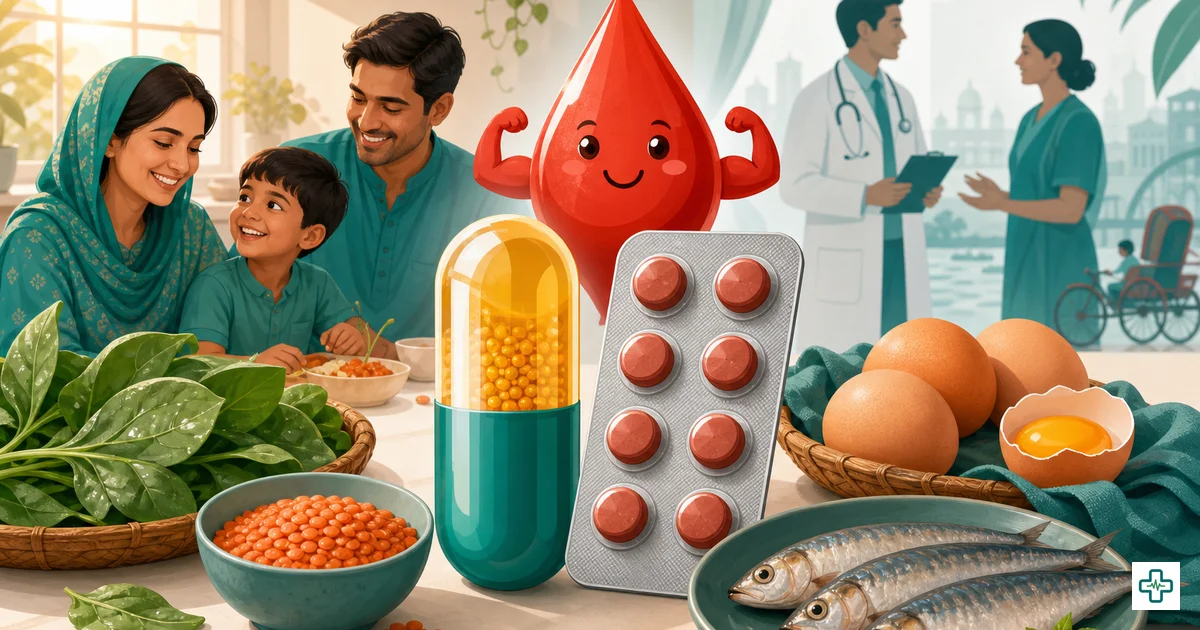
- Folic acid: taken from before conception and in early pregnancy, it helps prevent serious defects of the baby's brain and spine. This is why doctors advise it as early as possible.
- Iron: the body needs much more iron to make extra blood; too little causes anaemia, leaving the mother tired, breathless and weak, and raising risks at delivery.
Most pregnant women in Bangladesh are advised iron and folic acid supplements, often along with calcium, as part of routine antenatal care. Take only what your doctor prescribes; you can read about these in our medicine directory, but never adjust the dose yourself.
What should you eat, and what should you avoid?
A varied plate from locally available foods covers most needs.
- Eat: rice and whole grains for energy; dal, eggs, fish, meat and milk for protein; green leafy vegetables, liver and beans for iron; plus colourful fruits and vegetables for vitamins.
- Boost iron absorption: pair iron-rich foods with vitamin C sources such as lemon, amla, guava or orange.
- Avoid: raw or undercooked eggs, fish and meat; unpasteurised milk; cut fruit and food left out in the open; and excess caffeine from strong tea and coffee.
- Limit: very oily, salty and sugary foods, and avoid alcohol and smoking completely.
Use safe drinking water and wash fruits and vegetables well to avoid infections that are riskier in pregnancy.
How much weight gain is healthy, and how do you manage nausea and constipation?
Some weight gain is normal and necessary, and the right amount depends on your starting weight, so let your doctor guide your target rather than comparing with others. Steady, gradual gain is healthier than sudden jumps. For common discomforts: eat small, frequent meals and dry snacks like biscuits to ease morning nausea, avoid strong smells, and sip fluids through the day. For constipation, often worsened by iron tablets, add fibre from vegetables, fruit and whole grains, drink plenty of water and stay gently active. If nausea or constipation becomes severe, tell your doctor rather than stopping your supplements on your own.
When should you see a doctor?
Start antenatal check-ups as soon as you know you are pregnant, and attend every scheduled visit. Seek care promptly for vaginal bleeding, severe or constant abdominal pain, severe headache with blurred vision, marked swelling of the face or hands, high fever, reduced or absent baby movements, or vomiting so severe you cannot keep food or water down. These can be signs of serious conditions that need urgent attention. You can find an obstetrician or gynaecologist to see a relevant specialist through our list, and a doctor can prepare your supplement plan with our free prescription tool. This article is general information and is not a substitute for advice from a qualified doctor.
Frequently Asked Questions
Do I really need to eat for two during pregnancy?
Not in the sense of doubling how much you eat. You need somewhat more energy and noticeably more protein, iron, folic acid and other nutrients, so the focus should be on more nourishing food rather than simply larger portions. Your doctor can guide how much extra is right for you.
Why has my doctor prescribed iron and folic acid tablets?
Diet alone often cannot meet the high iron and folic acid needs of pregnancy, especially where anaemia is common. Folic acid helps protect the baby's developing brain and spine early on, while iron prevents anaemia in the mother. They are a standard part of antenatal care in Bangladesh.
What foods should I avoid while pregnant?
Avoid raw or undercooked eggs, fish and meat, unpasteurised milk, food left uncovered in the open, and excess caffeine, and avoid alcohol and smoking entirely. These reduce the risk of infections and complications. Washing produce and using safe water also helps.
The iron tablets are causing constipation. Should I stop them?
Do not stop them on your own. Constipation is a common side effect, but iron is important for you and your baby. Adding fibre, drinking more water and staying active usually helps, and your doctor can adjust things if the problem persists.