Chamber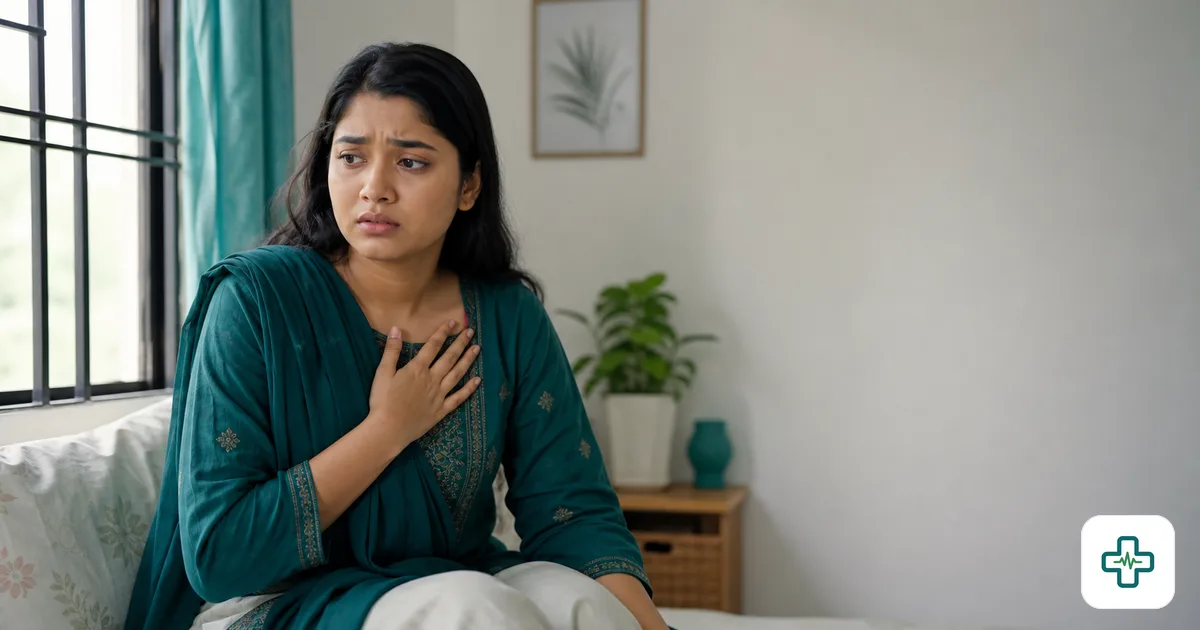
Anxiety Disorder: Symptoms, Coping and Getting Help
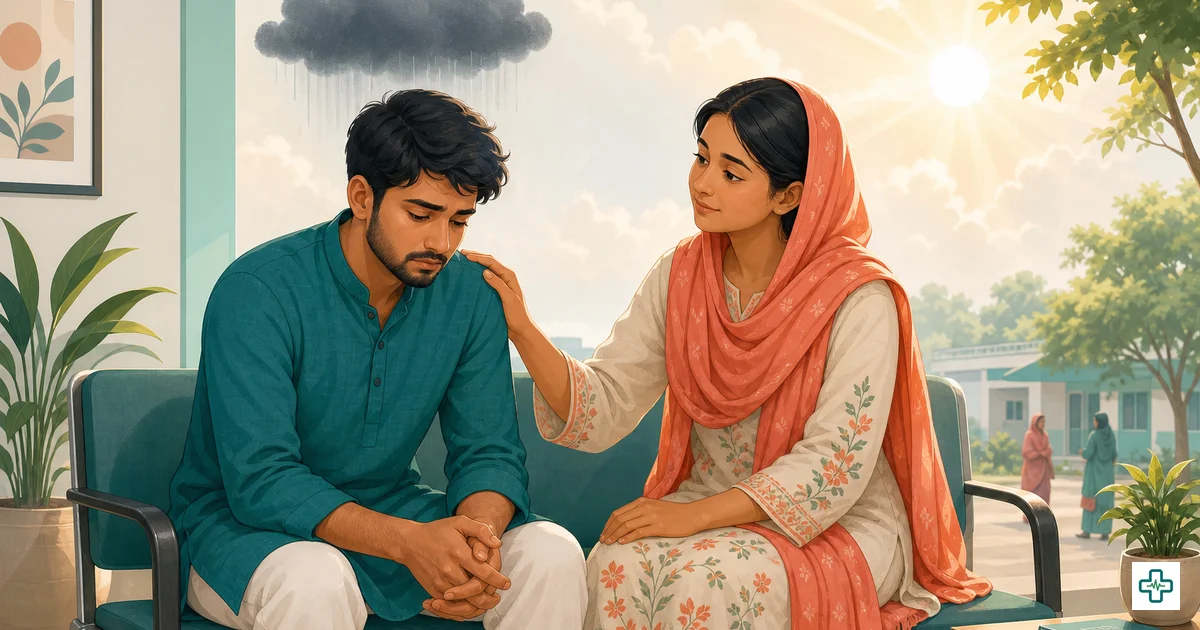
Everyone feels worried or nervous sometimes, especially before an exam, a job interview or a family problem. But when worry becomes constant, hard to control and starts to interfere with daily life, it may be an anxiety disorder. In Bangladesh this is very common, yet many people suffer in silence because of stigma or because they think the symptoms are only physical. The encouraging truth is that anxiety disorders are among the most treatable of all health conditions, and most people improve a great deal with the right help.
What is an anxiety disorder?
An anxiety disorder is more than ordinary stress. In generalised anxiety disorder, a person feels excessive worry about many things, most days, for months at a time. The mind keeps imagining the worst, even when there is no real danger. It is a genuine medical condition involving the brain and body, not a weakness of faith or character, and it can affect anyone regardless of age, gender or background.
Symptoms and warning signs
Anxiety shows up in both the mind and the body, which is why many people first visit a doctor for physical complaints. Common signs include:
- Constant worry or a feeling that something bad is about to happen.
- Restlessness, irritability or difficulty concentrating.
- A racing or pounding heart, sweating, or trembling hands.
- Tight chest, shortness of breath, or a churning stomach and gas.
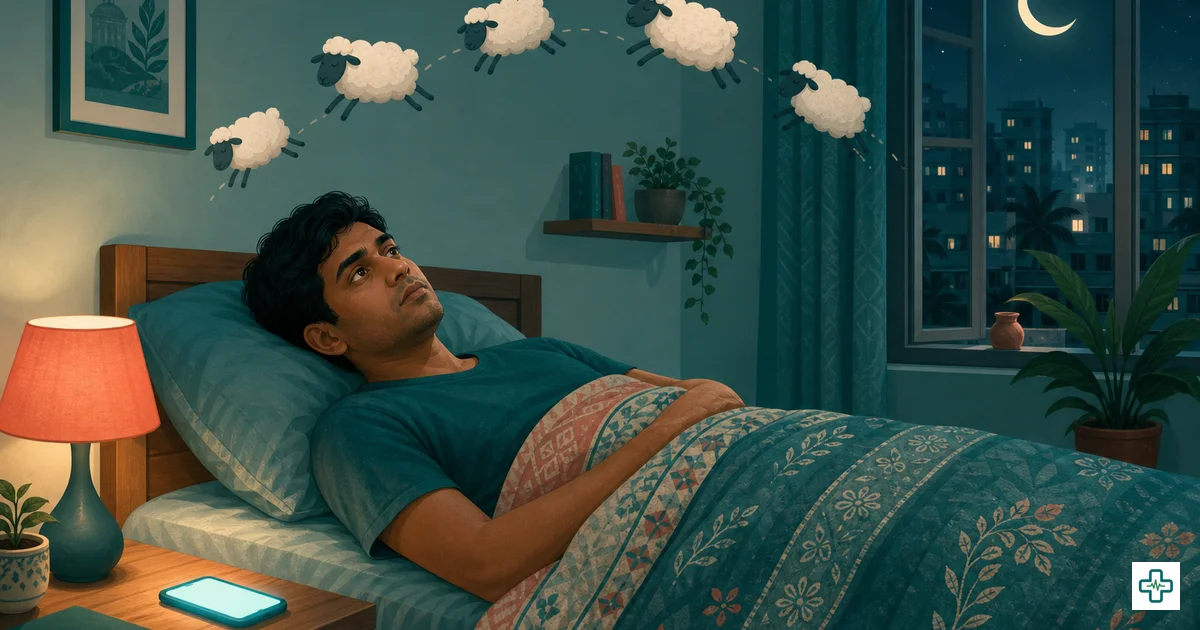
- Headache, muscle tension, tiredness and trouble sleeping.
Because these symptoms can mimic heart or stomach disease, it is wise to let a doctor check you and then consider anxiety if physical tests are normal.
What causes anxiety, and what triggers it?
Anxiety usually comes from a mix of causes rather than a single reason. A family history of anxiety, stressful life events, financial worry, exam or job pressure, relationship problems and long-term illness can all play a part. Too much caffeine from tea or coffee, poor sleep, and heavy use of social media can make symptoms worse. Understanding your personal triggers is an important first step toward managing them.
How can you cope day to day?
Several self-care steps can ease anxiety, especially when used regularly alongside any treatment your doctor advises.
- Practise slow breathing: breathe in for four counts, hold briefly, and breathe out for six counts.
- Keep a regular sleep routine and a simple daily structure.
- Walk or exercise for about 30 minutes most days; physical activity calms the mind.
- Cut back on tea, coffee, energy drinks and late-night phone scrolling.
- Talk to someone you trust, and try prayer, meditation or relaxation that suits you.
Breaking the stigma around mental health
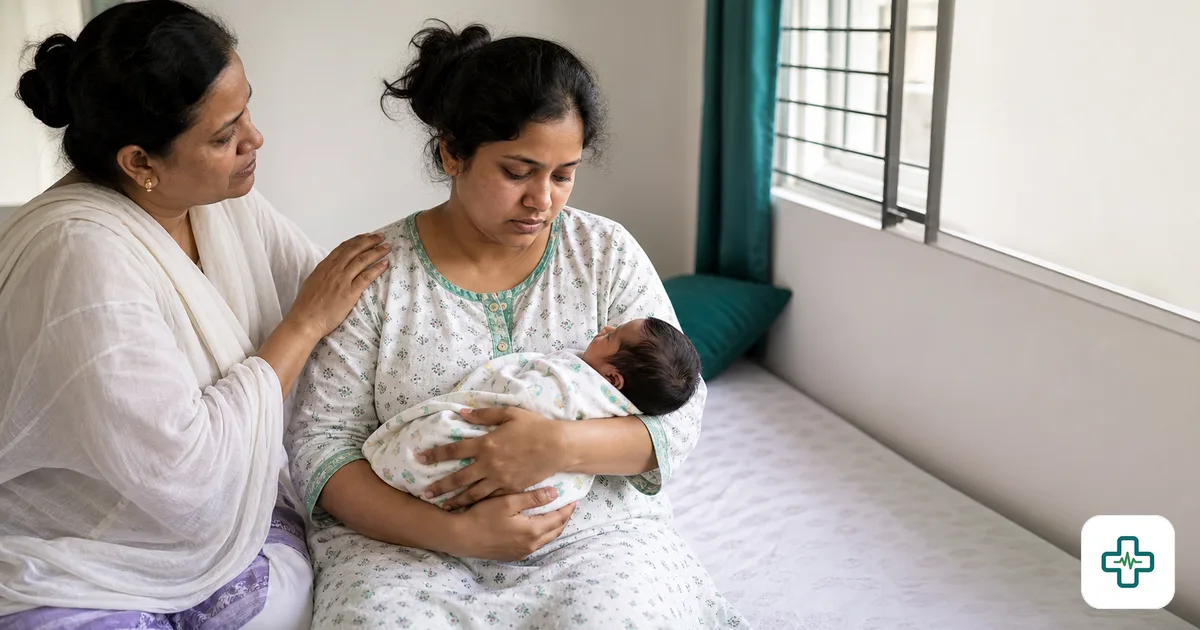
Many people in Bangladesh avoid seeking help because they fear being labelled "mad" or weak. This is a harmful myth. Seeing a doctor or counsellor for anxiety is exactly like seeing one for diabetes or high blood pressure. Talking openly, supporting family members and treating mental health as real health all help reduce needless suffering.
When should you see a doctor?
Speak to a doctor if anxiety lasts for several weeks, stops you working, studying or sleeping, or causes panic attacks. Seek help urgently if you have thoughts of harming yourself, cannot function at all, or feel completely overwhelmed. Effective treatments include counselling and talk therapy, and sometimes medication prescribed by a doctor. You can find a psychiatrist or mental-health specialist through our list of registered doctors, and any prescribed medicine can be checked in the medicine directory rather than taken on a friend's advice.
Frequently Asked Questions
Is anxiety disorder a real illness or just overthinking?
It is a real, recognised medical condition that involves changes in the brain and body, not simply a habit of overthinking. Like any illness it deserves proper care, and it responds very well to counselling and, when needed, medicine.
Can anxiety be cured without medicine?
Many people improve with lifestyle changes, breathing techniques and talk therapy alone. Medicine is helpful for moderate to severe anxiety, and a doctor will decide whether you need it. Never start or stop any anxiety medication on your own.
Are anxiety medicines addictive?
Most modern anxiety medicines used for long-term treatment are not addictive when taken as prescribed. A few calming medicines can cause dependence if misused, which is why they must only be taken under a doctor's guidance and for the advised duration.
How is anxiety different from a panic attack?
Anxiety is ongoing worry that can last for weeks or months, while a panic attack is a sudden, intense surge of fear with strong physical symptoms that peaks within minutes. A person with an anxiety disorder may also have panic attacks. You can read more in our collection of health tips.
If you want to organise your treatment notes, you can use our free prescription tool to keep a clear record for your follow-up visits.
This article is for general health education and is not a substitute for professional medical advice; please consult a qualified doctor about your symptoms.