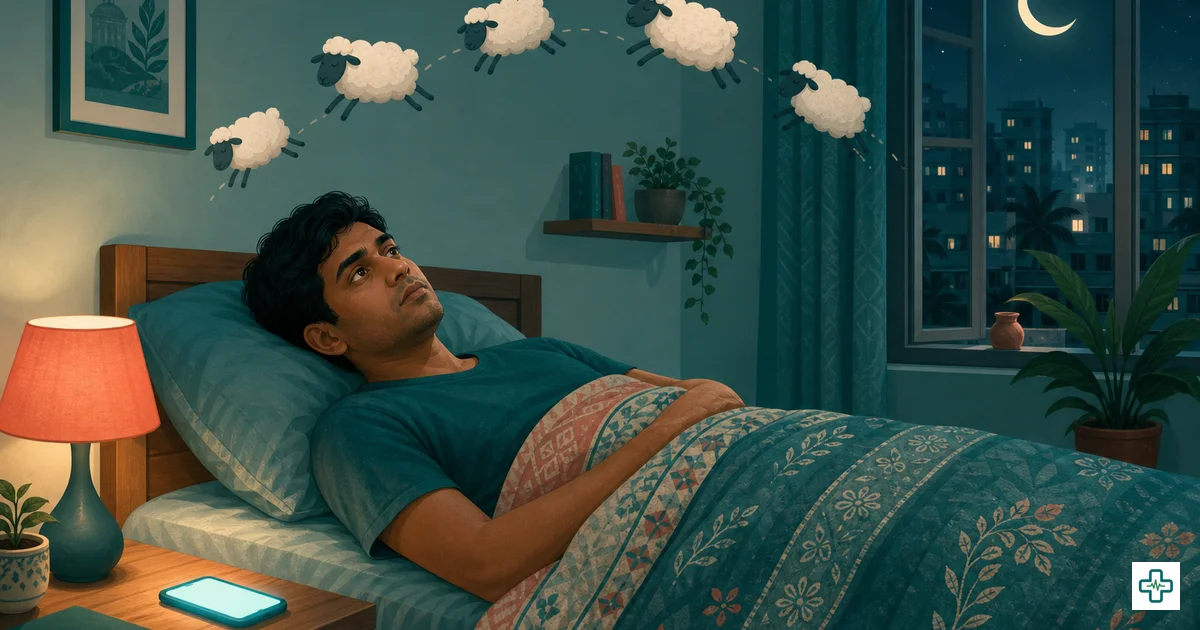
Can't Sleep? 10 Sleep Hygiene Rules That Actually Work
Tossing and turning at 2 a.m. while the whole house sleeps — and then dragging yourself to work or class in the morning? You are not alone: insomnia is one of the most common complaints doctors hear in Bangladesh, fuelled by stress, late-night phone use and endless cups of cha. Before reaching for a sleeping pill, try sleep hygiene — the set of habits sleep specialists recommend first, because for most people it genuinely works.
Why do so many of us sleep badly?
Our brains need a consistent rhythm and a clear signal that night has arrived, and modern routines destroy both. Irregular bedtimes, doomscrolling in bed, strong tea or coffee in the evening, heavy dinners at 11 p.m., long daytime naps, and warm, noisy bedrooms all confuse the body clock. Worrying about sleep itself then makes things worse, creating a frustrating cycle.
How much sleep do you really need?
Most adults need 7-8 hours a night; teenagers need more, and older people sleep lighter but still need around 7 hours. Regularly sleeping less is linked with high blood pressure, diabetes, weight gain, low mood and poor memory. Sleep is not wasted time — it is maintenance for your heart and brain.
The 10 rules that actually work
- Fix your wake-up time. Get up at the same time every day, including Fridays and holidays — this anchors your body clock.
- No phone in bed. Blue light and stimulating content delay sleep; stop screens 30-60 minutes before bed and keep the phone out of arm's reach.
- Cut caffeine after mid-afternoon. No cha, coffee, cola or energy drinks after about 3 p.m.
- Keep dinner light and early. A heavy, oily meal late at night causes reflux and restless sleep; finish eating 2-3 hours before bed.
- Make the room dark, quiet and cool. Use curtains, switch off lights, run a fan or AC if possible; earplugs help in noisy areas.
- Use the bed only for sleep. No eating, working or watching shows in bed, so your brain links bed with sleep.
- Follow the 20-minute rule. If you are still awake after about 20 minutes, get up, sit in dim light, read something calm, and return only when sleepy.
- Get daylight and exercise. Morning light and 30 minutes of walking or exercise on most days deepen sleep — but avoid hard workouts within 2-3 hours of bedtime.
- Limit naps. If you must nap, keep it to 20-30 minutes, and before late afternoon.
- Build a wind-down ritual. The same calming sequence each night — washing up, light stretching, prayer or dhikr, slow breathing — tells your brain that sleep is coming.
What about sleeping pills?
Sleeping pills can help for a few days during a crisis, but only short-term and only under a registered doctor's supervision. Most of them cause dependence within weeks — the dose stops working, and stopping suddenly makes insomnia worse. Never buy sedatives over the counter, however easily pharmacies sell them; if a doctor prescribes one, ask how long to take it and check its basic details in our medicine directory.
When should you see a doctor?
See a doctor if poor sleep persists for more than about a month despite honestly following the rules above, or if daytime sleepiness is affecting your work, studies or driving. You can book a verified doctor on ChamberBD — a medicine specialist, neurologist or psychiatrist depending on the problem.
- Loud snoring with gasping or pauses in breathing at night (possible sleep apnoea), especially with morning headaches.
- Crawling, restless sensations in the legs at night (restless legs syndrome).
- Insomnia along with persistent low mood, anxiety or hopelessness.
- Falling asleep suddenly during the day, or dozing off while driving.
- Needing sleeping pills regularly to get any sleep at all.
This article is for general health education and is not a substitute for professional medical advice.