Chamber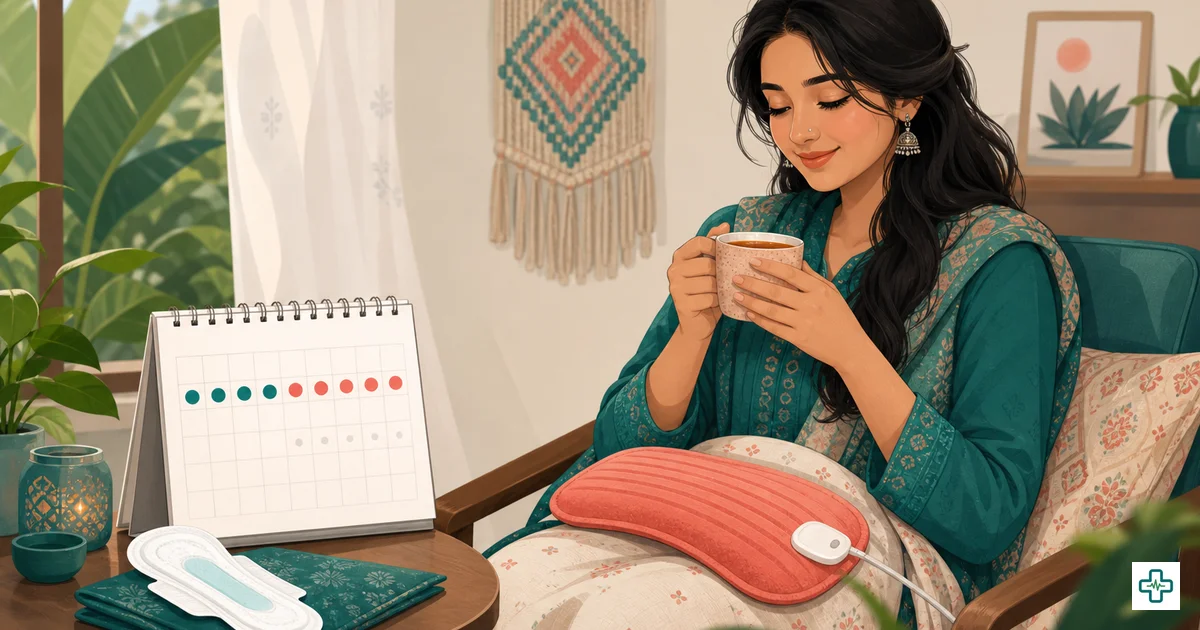
Menstrual Health: Painful, Irregular or Heavy Periods — What's Normal?
Periods are a normal part of life for half our population, yet in Bangladesh they are still wrapped in silence. Girls miss school, women push through workdays in pain, and many quietly accept heavy bleeding or wildly irregular cycles as "just my luck" — when in fact these can be treatable medical problems. Knowing what is normal, what helps at home and which signs need a gynaecologist can spare years of unnecessary suffering.
What does a normal period look like?
A normal menstrual cycle comes every 21 to 35 days, counted from the first day of one period to the first day of the next, and the bleeding itself usually lasts 2 to 7 days. Mild cramping, slight mood changes and breast tenderness around a period are common and normal. Cycles are often irregular for the first couple of years after periods begin in adolescence, and again in the years before menopause — that, too, is usually normal.
Is period pain normal — and what helps?
Mild to moderate cramping in the lower abdomen on the first day or two is very common and not dangerous. A hot water bag on the lower belly, light walking or stretching, enough sleep and warm fluids genuinely help, and a simple painkiller such as paracetamol may be taken as a doctor or pharmacist advises — you can read about common medicines in our medicine directory. But pain is not normal when it regularly forces you to miss school or work, keeps worsening year after year, or continues beyond the period — such pain can signal endometriosis or other treatable conditions and deserves a gynaecologist's evaluation, not silent endurance.
Why do periods become irregular?
Occasional early or late periods happen to almost everyone and usually reflect stress, illness, travel or sudden weight gain or loss. Persistently irregular cycles, however, have common medical causes: polycystic ovary syndrome (PCOS) — read our detailed guide on PCOS symptoms, diet and treatment — thyroid problems, breastfeeding and the approach of menopause. In any married or sexually active woman, a missed period should first prompt a pregnancy test. If your cycles stay outside the 21-35 day range for three months or more, get checked rather than waiting.
Heavy bleeding: how much is too much?
Bleeding is considered heavy when you soak through a pad every one to two hours, pass clots larger than a ten-taka coin, bleed for more than seven days, or regularly stain bedding despite double protection. Heavy periods, month after month, quietly drain the body's iron and are a major cause of anaemia in Bangladeshi women — paleness, breathlessness on stairs and constant tiredness are the clues; our article on anaemia and iron-rich foods explains what to eat. Heavy bleeding has many treatable causes, from hormonal imbalance to fibroids, so it should be investigated, not endured.
Hygiene, tracking and breaking the taboo
Good period hygiene prevents infections and rashes. Change pads every 4 to 6 hours — more often on heavy days — and wash hands before and after. If you use cloth, as many women in Bangladesh do, it can be safe with proper care: use clean cotton cloth, wash it with soap and clean water after every use, dry it in direct sunlight (not hidden in a damp corner, which breeds germs), and store it in a clean, dry place. Track your dates on a calendar or mobile app — knowing your pattern makes problems obvious early and makes doctor visits far more useful. And talk about it: mothers, teachers and husbands who speak openly make it possible for girls to attend school and women to seek care without shame.
When should you see a doctor?
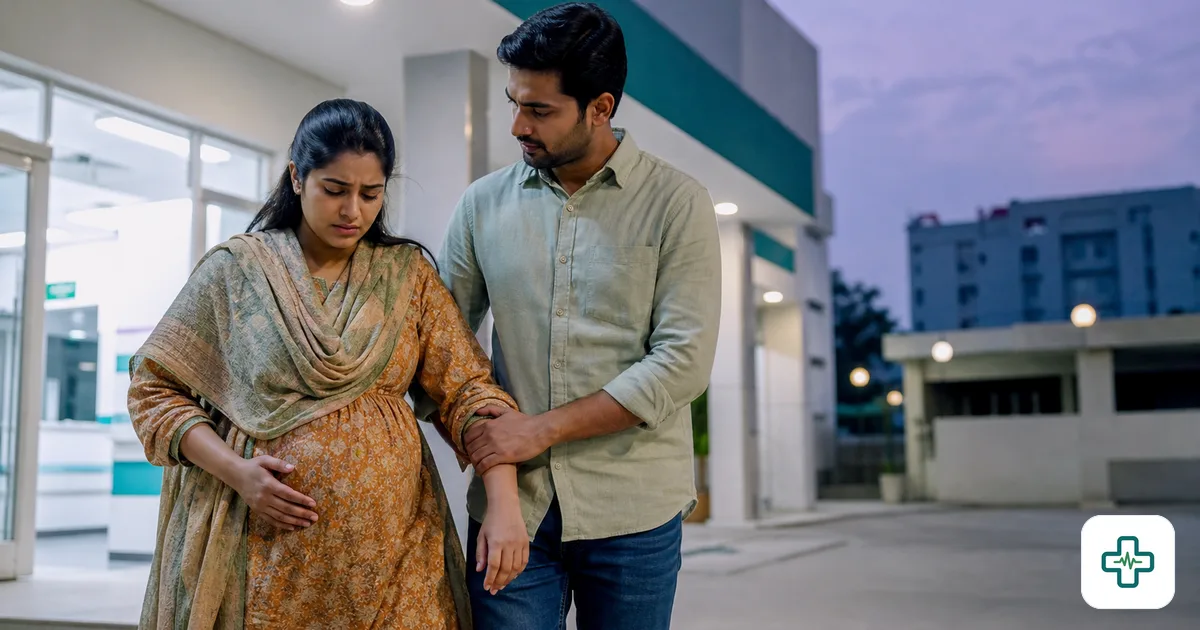
See a gynaecologist if period problems are interfering with your daily life or any of the danger signs below appear. These visits are routine for doctors, and female gynaecologists are available across the country — you can find a gynaecologist on ChamberBD and book a confidential appointment. Most menstrual problems, once properly diagnosed, improve greatly with treatment.
- Pain so severe that you miss school or work, or pain that worsens every cycle
- Soaking a pad every 1-2 hours, clots, or bleeding beyond 7 days
- Cycles persistently shorter than 21 days, longer than 35 days, or absent for 3 months (after ruling out pregnancy)
- Bleeding between periods, after intercourse, or after menopause
- Signs of anaemia: marked paleness, breathlessness, dizziness or constant fatigue
- Fever or foul-smelling discharge along with period problems
This article is for general health education and is not a substitute for professional medical advice.