Chamber
PCOS: Symptoms, Causes, Diet and Treatment Options
If your periods are often weeks late, your skin keeps breaking out, or your weight creeps up no matter what you do, you are not alone — and you are not imagining it. Polycystic ovary syndrome (PCOS) affects roughly one in ten women of reproductive age, and in Bangladesh it remains widely underdiagnosed because irregular periods are so often brushed aside as 'normal'. PCOS is real, common and very manageable — but only if it is recognised.
What is PCOS?
PCOS is a hormonal condition in which the ovaries produce more androgens ('male-type' hormones) than usual, which disturbs ovulation and the monthly cycle. The name is misleading: the 'cysts' are actually many small immature egg follicles, not tumours, and seeing them on ultrasound does not by itself define the disease. PCOS is a long-term condition, but its symptoms can be controlled well with the right care.
At the heart of PCOS for many women lies insulin resistance — the body's cells respond poorly to insulin, so the body produces more of it. High insulin pushes the ovaries to make more androgens and makes weight gain easier and weight loss harder, creating a frustrating cycle.
What are the common symptoms of PCOS?
PCOS looks different in different women, which is one reason it is missed so often. Some women have every symptom while others have only one or two, and the pattern often begins in the teenage years. Watch for:
- Irregular, infrequent (often more than 35 days apart) or absent periods
- Stubborn acne and oily skin beyond the teenage years
- Excess hair on the face, chest or abdomen, or thinning hair on the scalp
- Gradual weight gain, especially around the waist
- Dark, velvety skin patches on the neck or underarms
- Difficulty conceiving
How is PCOS diagnosed?
There is no single test for PCOS. A gynaecologist diagnoses it from your menstrual history and examination, hormone blood tests, and usually an ultrasound of the ovaries, after ruling out conditions such as thyroid problems. Blood sugar and cholesterol are often checked too, because of the insulin connection. Do not self-diagnose from an ultrasound report alone — see a specialist.
Diet and lifestyle: the first-line treatment
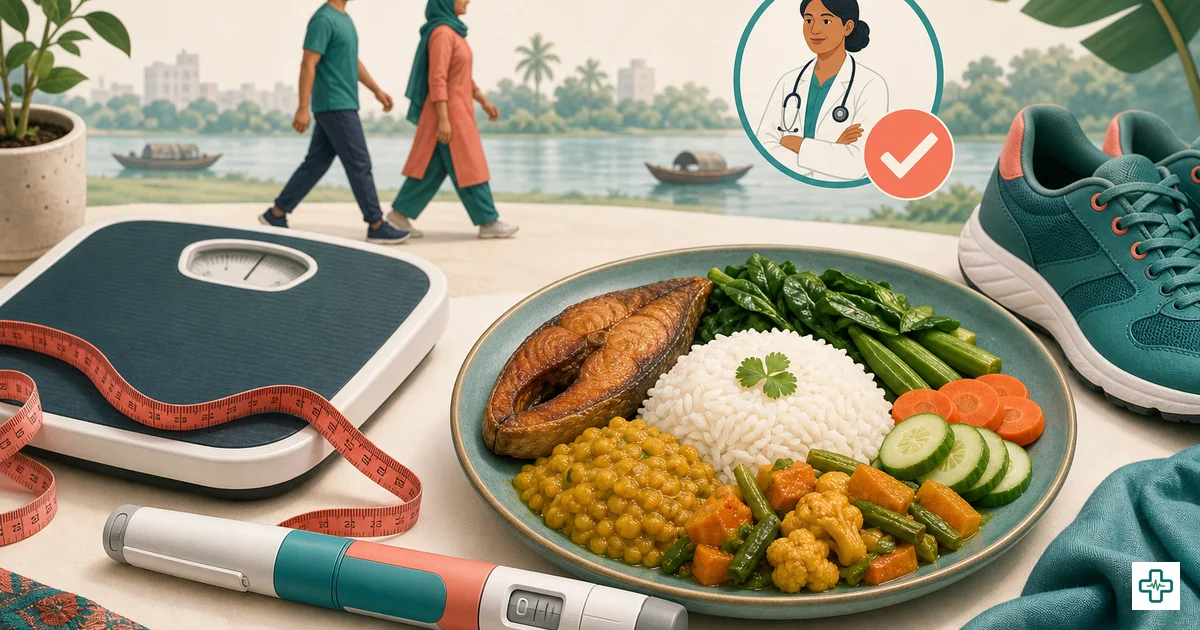
For most women with PCOS, lifestyle change is the first and most powerful medicine. Losing even 5-10% of body weight can restart regular periods and ovulation.
- Cut sugar hard: sweetened cha, soft drinks, mishti and packaged juice are the biggest culprits
- Shrink the white-rice mountain: smaller portions, with lal chal (brown rice) or atta ruti where possible
- Fill half the plate with vegetables; keep dal, fish, egg and chicken for protein
- Walk briskly or exercise at least 30 minutes on most days, and add simple strength exercises
- Sleep seven to eight hours and manage stress — both directly affect hormones
Left uncontrolled, PCOS raises the long-term risk of type 2 diabetes, high blood pressure and cholesterol problems, so these habits protect your future as well — our diabetes diet chart for Bangladeshi patients follows the same principles.
Medical treatment, fertility and your mind
When lifestyle change alone is not enough, gynaecologists have safe, well-tested options — medicines to regulate cycles, reduce androgen effects, improve insulin sensitivity, or induce ovulation when you are trying to conceive. Which one suits you depends on your goals, so never buy hormone pills on pharmacy advice or borrow someone else's prescription. The fertility message is genuinely hopeful: with timely treatment, most women with PCOS can conceive. And because PCOS is linked with anxiety, low mood and poor body image, talking openly about these feelings with your doctor — and seeking support — is part of real treatment, not a luxury.
When should you see a doctor?
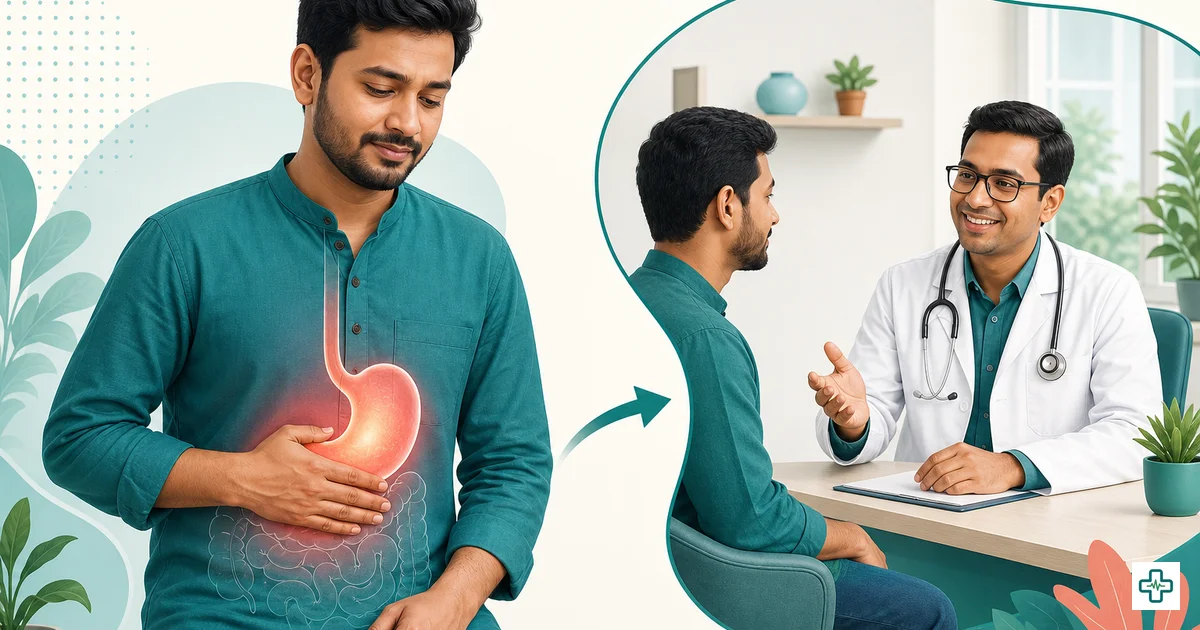
See a gynaecologist if your periods are repeatedly more than 35 days apart, absent for three months or more, or unusually heavy. Get checked too if you notice rapidly increasing facial or body hair, acne that resists treatment, dark patches on the neck, or if you have been trying to conceive for over a year (six months if you are over 30). You can book a verified gynaecologist on ChamberBD — and take along a simple diary of your last few cycles, which makes the consultation far more useful.
This article is for general health education and is not a substitute for professional medical advice.