Chamber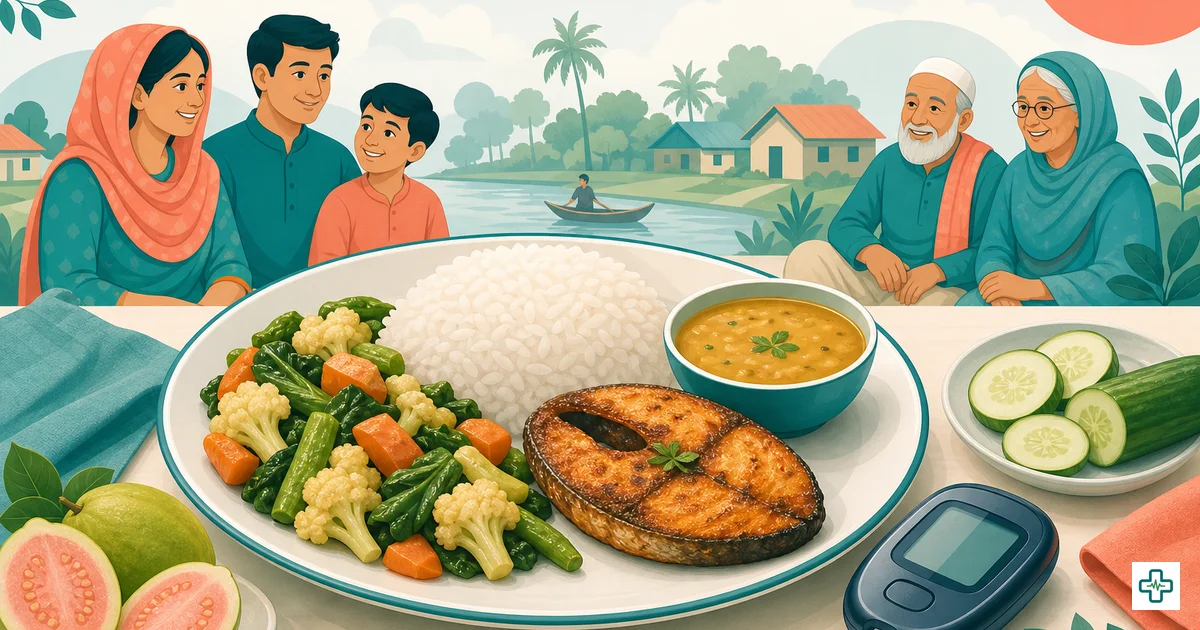
Diabetes Diet Chart for Bangladeshi Patients: What to Eat and Avoid
Over 13 million people in Bangladesh live with diabetes, and food is the foundation of its control. You don't need expensive "diabetic foods" — you need the right portions of everyday Bangladeshi meals, eaten at the right times.
What should a diabetic patient eat daily?
A simple plate rule works for most patients: half the plate vegetables, one quarter protein (fish, chicken, egg, dal), one quarter carbohydrate (rice or ruti). Eat three measured meals and 1–2 small snacks at fixed times — skipping meals causes dangerous sugar swings.
Rice, ruti and carbohydrates
- Limit plain rice to 1–1.5 cups (cooked) per meal; brown rice or coarse (laal) rice is better.
- 2 medium atta rutis are a good dinner alternative to rice.
- Avoid white bread, polao/biriyani (occasional small portions only), sugary cereals, and muri in large amounts.
Which fruits are safe in diabetes?
Guava, green apple, pear, jambura (pomelo), kamranga and bau-kul in measured portions (1 serving = what fits in your palm) are good choices. Limit mango, lichu, banana and jackfruit to small, occasional portions — they raise sugar quickly. Always prefer whole fruit over juice.
Foods to avoid completely
- Sugar in tea, condensed milk, soft drinks and packaged juice
- Sweets (roshogolla, chomchom, jilapi) except rare special occasions in tiny amounts
- Deep-fried snacks — shingara, puri, beguni — more than once a week
Practical tips that make the biggest difference
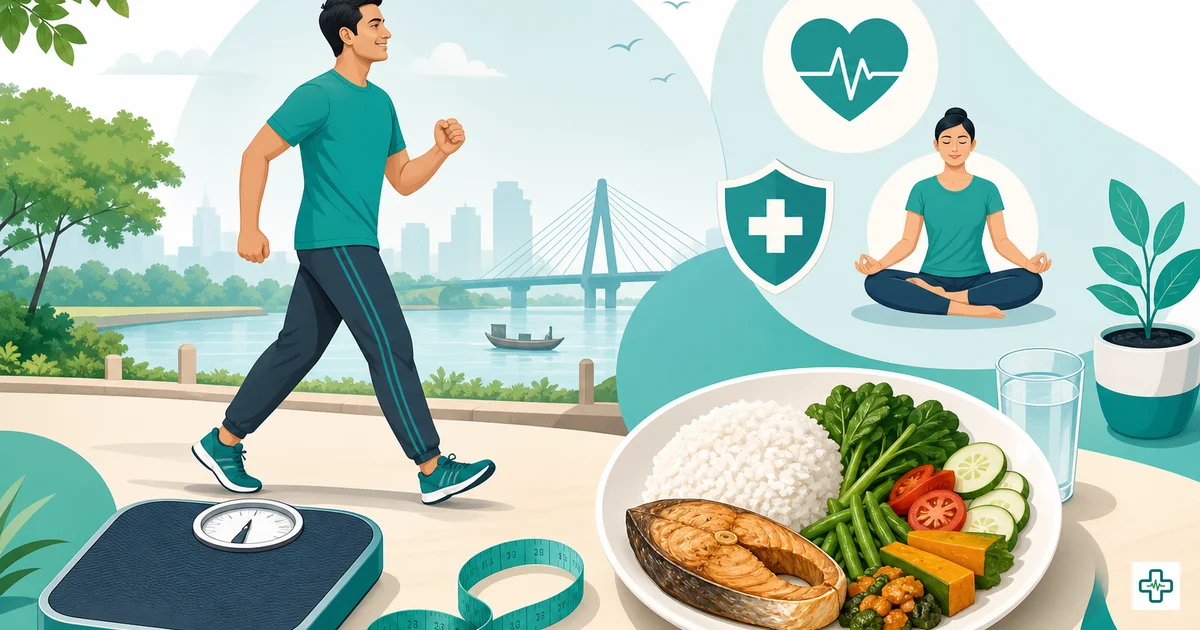
- Walk 30 minutes after the largest meal of the day.
- Never skip your diabetes medicine or insulin without your doctor's advice.
- Check fasting and post-meal sugar as your doctor schedules; keep a written log.
- During illness or fasting (e.g., Ramadan), get your medicine plan adjusted by a doctor first.
Every diabetic patient should have a personalised meal plan. Book a consultation with a medicine or diabetes specialist on ChamberBD to get a chart tailored to your weight, sugar levels and kidney function.
This article is for general health education and is not a substitute for professional medical advice.