Chamber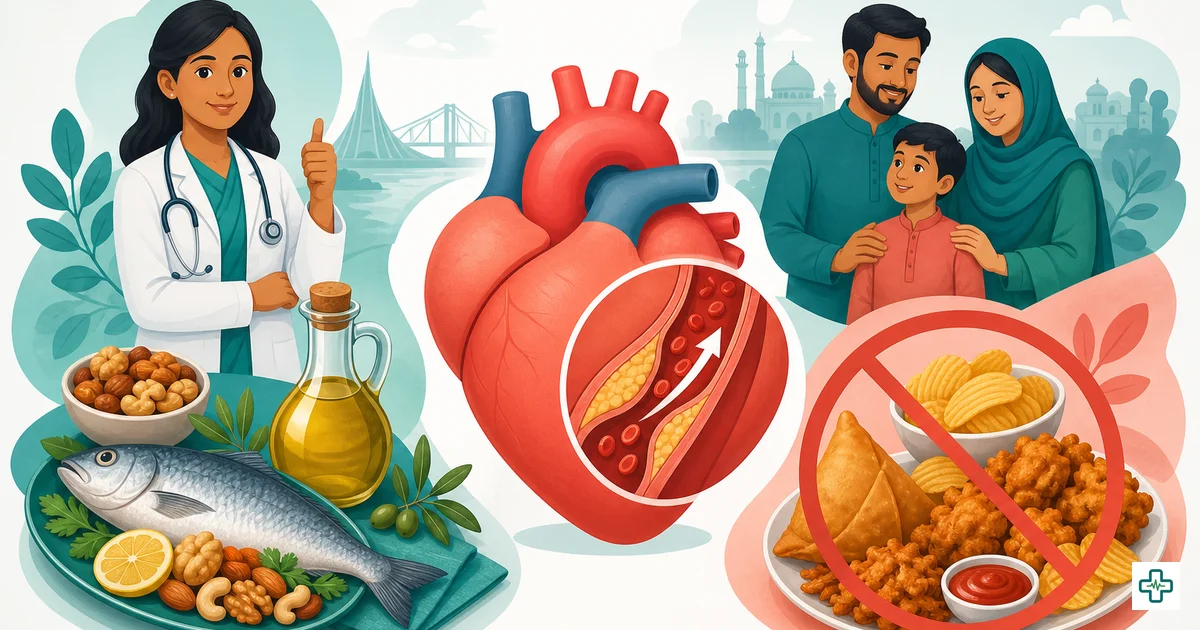
High Cholesterol: Diet, Lifestyle and What Your Lipid Profile Means
High cholesterol rarely causes any symptoms, which is exactly what makes it dangerous. Across Bangladesh, changing diets, more fried and fast food, and less physical activity are pushing cholesterol levels up, quietly raising the risk of heart attack and stroke. The good news is that with the right diet, lifestyle and, when needed, medicine, high cholesterol is one of the most controllable risk factors there is. Unlike many health problems, you can often see real improvement within a few months of changing your habits.
What do LDL, HDL and triglycerides mean?
Cholesterol is a fatty substance your body needs in small amounts, but balance is everything. LDL is often called "bad" cholesterol because it builds up inside artery walls; HDL is the "good" type that helps clear excess cholesterol away. Triglycerides are another blood fat that rises with sugary food, fried items and excess weight. A healthy profile means low LDL, higher HDL and controlled triglycerides.
Why does high cholesterol matter?
Over years, excess LDL cholesterol forms hard deposits called plaque inside the arteries, narrowing them and reducing blood flow. If a plaque bursts, it can block an artery completely and trigger a heart attack or stroke. This is why cholesterol is closely linked to the warning signs of a heart attack that everyone should recognise. Controlling cholesterol early is one of the best ways to protect your heart and brain.
When should you get a lipid profile test?
A lipid profile is a simple blood test that measures total cholesterol, LDL, HDL and triglycerides. It is usually done after fasting for 9 to 12 hours for accurate results. Most adults should check their levels by age 35 to 40, or earlier if they have diabetes, high blood pressure, obesity, or a family history of early heart disease. Your doctor will tell you how often to recheck. If your results are normal, repeating the test every few years is usually enough, while abnormal results may need closer follow-up.
How can Bangladeshis lower cholesterol through diet and lifestyle?
Daily habits make a powerful difference. A few practical changes suit the Bangladeshi kitchen and lifestyle well.
- Cut down on ghee, dalda, butter and deep-fried snacks like singara and puri.
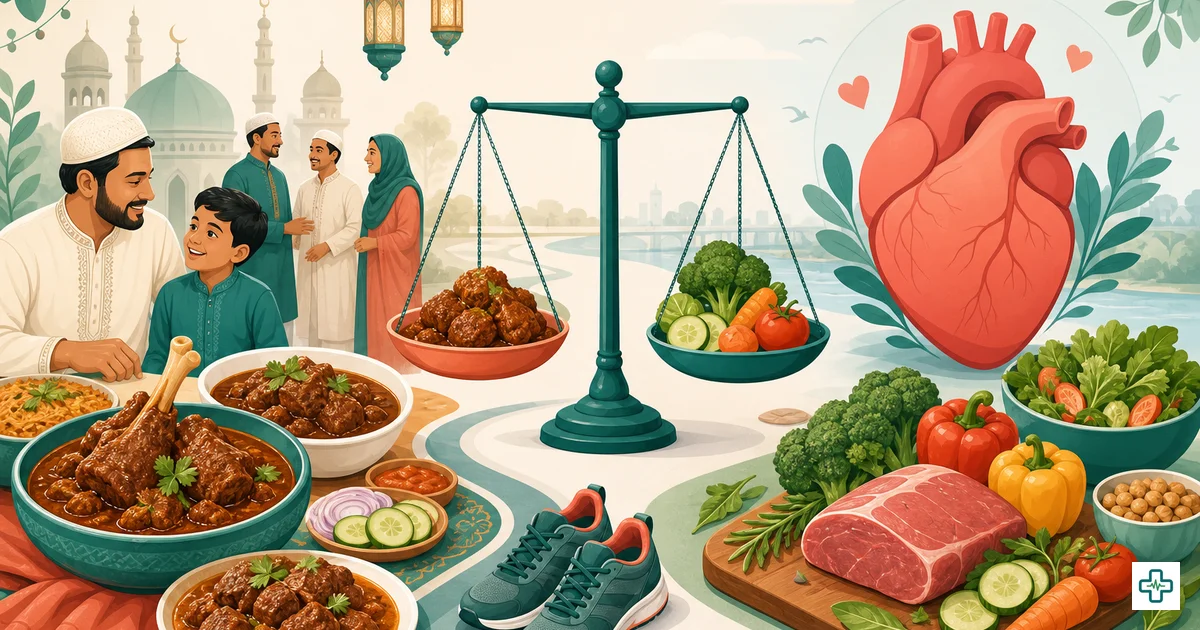
- Limit red meat and organ meats; choose fish, skinless chicken and pulses instead.
- Use cooking oil in moderation and avoid reusing the same oil repeatedly.
- Eat more vegetables, oats, fruit and fibre-rich foods every day.
- Walk briskly for at least 30 minutes most days and work towards a healthy weight.
- Quit smoking — it lowers your good HDL cholesterol and damages arteries.
Should you be afraid of statins?
Statins are medicines that lower LDL cholesterol and are prescribed when diet alone is not enough or when heart risk is high. Many people fear them or stop on their own once numbers improve, but this can be dangerous. Statins are generally safe under supervision, and the decision to start, change or stop is your doctor's call. You can look up prescribed medicines in our medicine directory, but never self-adjust the dose. Report any muscle pain or unusual symptoms to your doctor instead of quietly quitting.
When should you see a doctor?
See a doctor if your lipid profile is abnormal, if you have diabetes or high blood pressure, or if heart disease runs in your family, so your overall risk can be assessed. Seek emergency care immediately for chest pain or pressure, breathlessness, pain spreading to the arm or jaw, or sudden weakness and slurred speech, which may signal a heart attack or stroke. You can find heart specialists and physicians through our list of registered doctors for regular monitoring.
This article is for general health education and is not a substitute for professional medical advice.