Fungal Skin Infections: Ringworm, Itching and Monsoon Skin Care
Every monsoon, skin specialists across Bangladesh see the same flood of patients: itchy, ring-shaped rashes on the groin, waist and underarms that refuse to go away. Heat, humidity, sweat-soaked clothes and crowded living make our country a paradise for skin fungus — and the wrong creams from the pharmacy are turning a simple infection into a stubborn, recurring one.
Why do fungal infections spread so easily in Bangladesh?
Fungi love warmth and moisture, and our climate provides both for most of the year. Sweat trapped under tight synthetic clothes, damp skin folds, shared towels, combs and bedsheets, and clothes that never fully dry in monsoon humidity all help the fungus grow and pass from person to person. People who sweat heavily, are overweight or have diabetes are especially prone.
Recognising ringworm, jock itch and athlete's foot
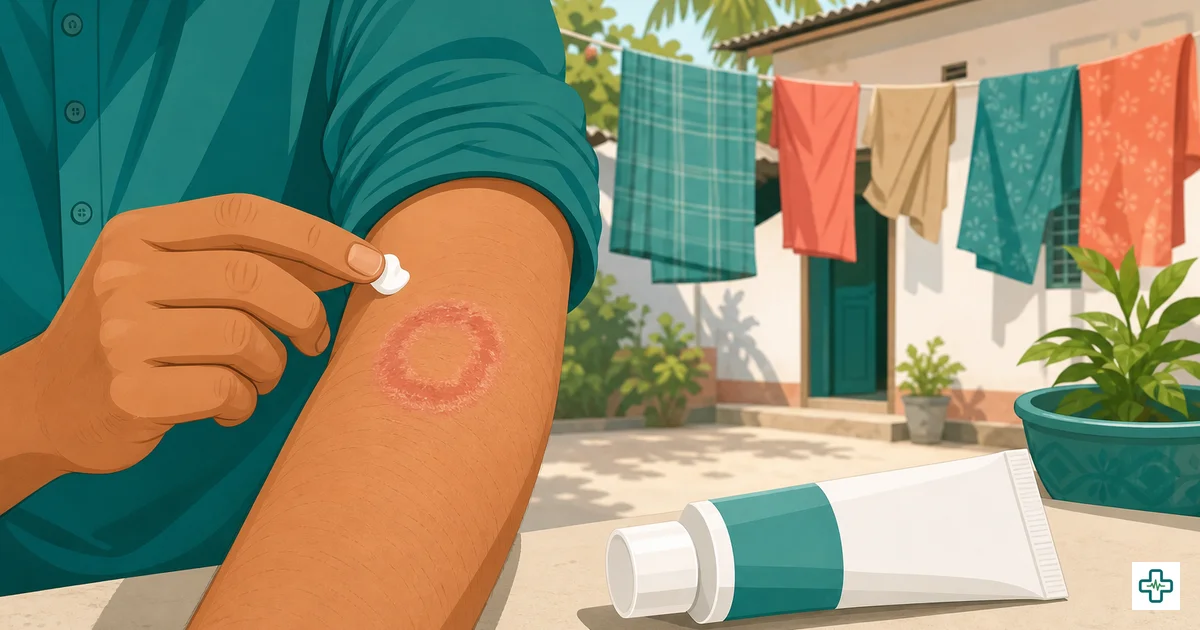
Ringworm (dad) is not a worm — it is a fungal infection that forms an itchy, slowly expanding ring with a raised scaly edge and a clearer centre.
- Jock itch: itchy reddish-brown patches on the groin and inner thighs, often on both sides — very common in hot weather.
- Athlete's foot: itching, peeling and cracking between the toes, sometimes with a bad smell; common in people who wear closed shoes all day.
- Body and scalp ringworm: ring-shaped patches anywhere on the body; on the scalp it can cause patchy hair loss with broken hairs, especially in children.
Why are mixed steroid creams making ringworm worse?
The 'magic creams' sold over the counter in Bangladesh usually mix a steroid with antifungal and antibacterial agents. The steroid calms the itching within days, so the cream feels like it works — but it actually weakens the skin's defences, lets the fungus spread wider and changes its appearance so that even doctors struggle to diagnose it. Months of such creams have fuelled an epidemic of severe, treatment-resistant ringworm across South Asia, much the way careless antibiotic use breeds resistant bacteria — read our article on antibiotic resistance. Never buy a cream just on a shopkeeper's advice; look up anything you are handed in our medicine directory and confirm it with a doctor.
The right treatment: complete the full course
Proper antifungal treatment — a cream alone for small patches, or tablets plus cream for widespread or stubborn infection — should be chosen by a registered doctor based on the site and severity. Two rules make the difference between cure and relapse:
- Continue for the full prescribed duration, usually for some weeks even after the itching and rash disappear; stopping early is the commonest reason the infection returns.
- Treat everyone affected in the household at the same time, and wash and sun-dry clothes, towels and bedsheets — otherwise family members keep reinfecting each other.
If the infection keeps coming back despite full treatment, ask your doctor to check your blood sugar — recurrent fungal infection is a classic early clue to diabetes.
Prevention: keep skin dry, keep things personal
- Bathe daily and dry the skin folds — groin, underarms, under the breasts, between the toes — thoroughly with a clean towel.
- Choose loose cotton clothing and cotton underwear; change daily, and sooner whenever they are sweat-soaked.
- Do not share towels, combs, caps, shoes or bedsheets with others.
- Wash clothes, towels and bedsheets in hot water where possible and dry them in direct sunlight; iron innerwear during long damp spells.
- An antifungal dusting powder in the skin folds can help people who sweat heavily — ask your doctor or pharmacist.
When should you see a doctor?
See a doctor early instead of experimenting with creams — fungal infections are easiest to cure at the start. Consult promptly if any of the following apply:
- The rash is spreading, is on the face or scalp, or covers a large area
- Itching disturbs sleep or daily work
- You have already used steroid-mixed creams and the rash has changed or worsened
- The skin becomes painful, oozing or crusted — a sign of added bacterial infection
- The infection returns repeatedly, or you have diabetes or a weakened immune system
You can find a registered dermatologist (skin specialist) on ChamberBD and book an appointment online.
This article is for general health education and is not a substitute for professional medical advice.