Digital Eye Strain: Screen-Time Rules and the 20-20-20 Habit
From office laptops in Dhaka to late-night Facebook scrolling in bed, the average Bangladeshi now spends many hours a day staring at screens. Eye specialists are seeing a steady stream of patients — including schoolchildren — complaining of tired, burning eyes and headaches. The condition is called digital eye strain, or computer vision syndrome, and the good news is that a few simple habits can prevent most of it.
What does digital eye strain feel like?
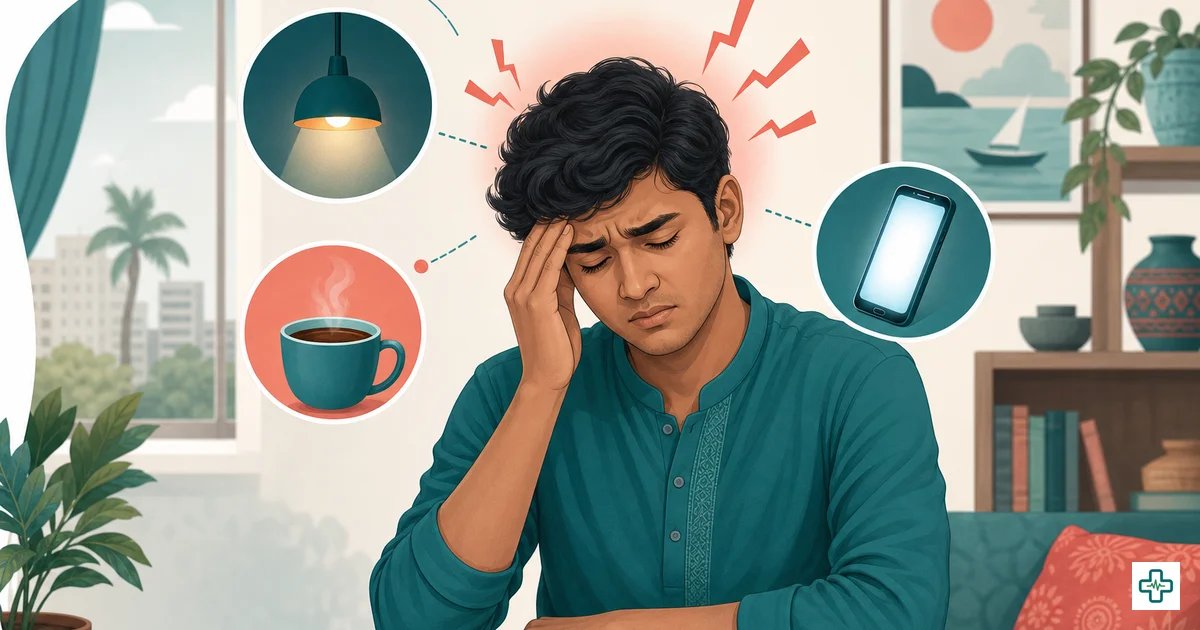
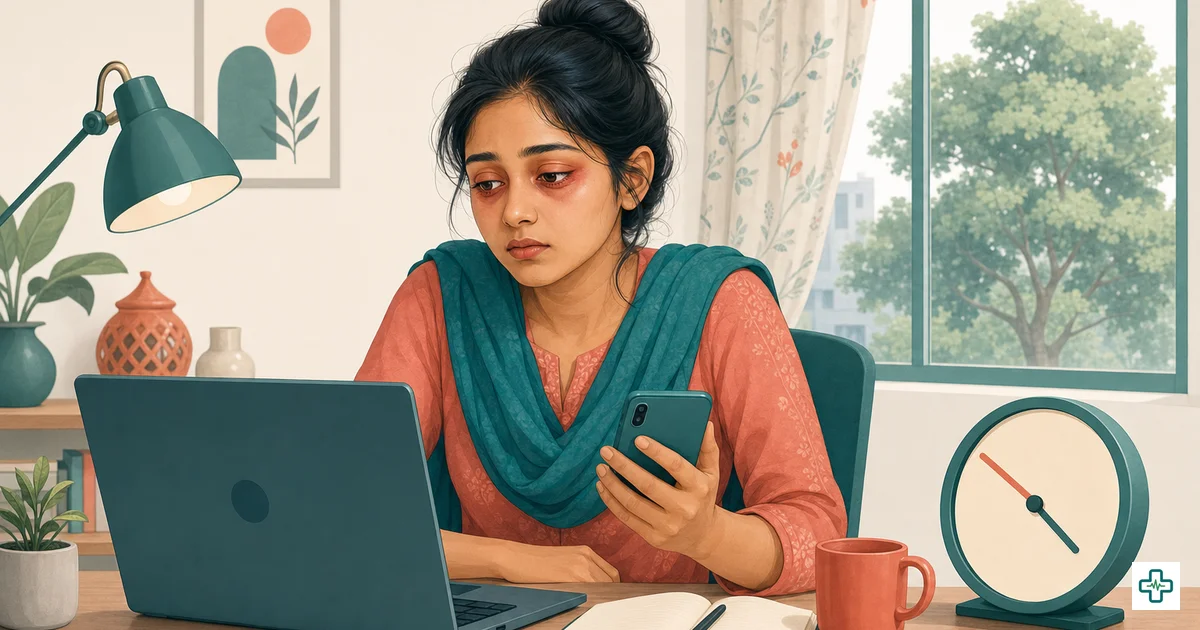
The usual complaints are dry, burning or itchy eyes, blurred vision by evening, watering, and a dull headache around the forehead or behind the eyes. Many people also develop neck and shoulder pain from hunching towards the screen. Symptoms typically build through the day and ease after rest, which separates simple eye strain from more serious eye disease.
Why do screens tire your eyes so much?
The biggest culprit is blinking — or the lack of it. We normally blink 15-20 times a minute, but while concentrating on a screen the rate drops by half or more, so the tear film that protects the eye dries out. Add small fonts, glare, phones held too close, and fans drying the air, and your eye muscles end up working overtime for hours.
What is the 20-20-20 rule?
Every 20 minutes, look at something about 20 feet (6 metres) away for at least 20 seconds. This relaxes the focusing muscles and brings back normal blinking. Set a phone reminder for the first few weeks; looking out of a window at a distant building or tree works perfectly.
Fix your screen setup in five minutes
- Distance: keep the monitor about an arm's length (50-65 cm) away; hold phones at least 30-40 cm from the eyes.
- Height: the top of the screen at or slightly below eye level, so you gaze slightly downwards.
- Brightness: match screen brightness to the room; avoid screens in a dark room and try night mode after sunset.
- Font size: enlarge the text instead of leaning in.
- Glare: position the screen so windows and lights do not reflect on it.
Blink more — and consider artificial tears
Make conscious, full blinks part of screen work. If dryness persists, preservative-free lubricating eye drops (artificial tears) used a few times a day are generally safe — confirm the right product with a pharmacist or doctor, and you can read about common options in our medicine directory.
If you wear contact lenses
Lenses dry the eyes faster during screen work. Never sleep in them, follow the cleaning routine strictly, and switch to glasses for long screen sessions or whenever the eyes feel irritated.
How much screen time is safe for children?
Paediatric guidance is conservative: no recreational screen time under 2 years, at most about one hour a day for ages 2-5 with a parent involved, and consistent limits with plenty of outdoor play for school-age children. Daily outdoor time matters especially in Bangladesh, where childhood myopia (power problems) is rising fast. Keep screens out of bedrooms and switch everything off at least an hour before sleep.
When should you see a doctor?
If burning, blur or headaches continue for two to three weeks despite these habits, get your eyes tested — often a small change in glasses power is the fix. Adults over 40 should have an eye exam every one to two years anyway, because glaucoma and early cataract creep in silently, and people with diabetes need a yearly retina check (see our diabetes guide). You can book a verified ophthalmologist on ChamberBD in minutes.
Go to an eye specialist or emergency department urgently if you notice:
- Sudden loss or dimming of vision in one or both eyes.
- New flashes of light, a shower of floaters, or a curtain over part of your vision.
- Severe eye pain, a red eye with vomiting, or pain on moving the eye.
- Any chemical splash or injury to the eye.
- Sudden double vision or a drooping eyelid.
This article is for general health education and is not a substitute for professional medical advice.