
Generic
Flucloxacillin
Brand medicines containing Flucloxacillin available in Bangladesh — compare prices, strengths and manufacturers.
Flucloxacillin brands in Bangladesh
Showing 1–24 of 277 medicines
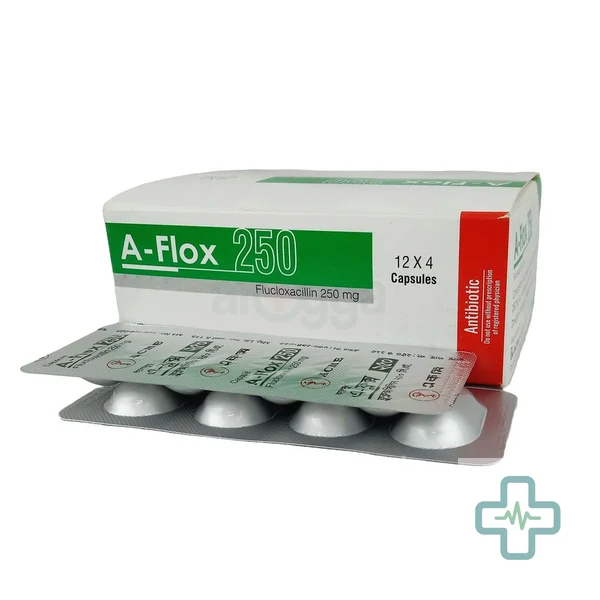
A Flox 250 mg Capsule
Flucloxacillin
The ACME Laboratories Ltd.
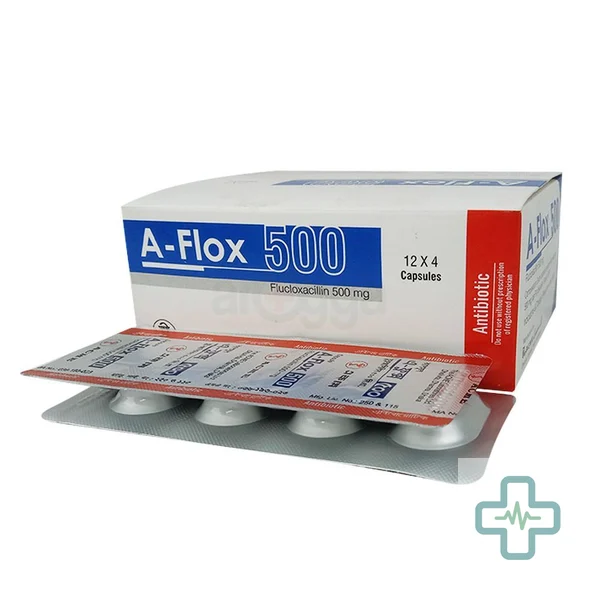
A Flox 500 mg Capsule
Flucloxacillin
The ACME Laboratories Ltd.
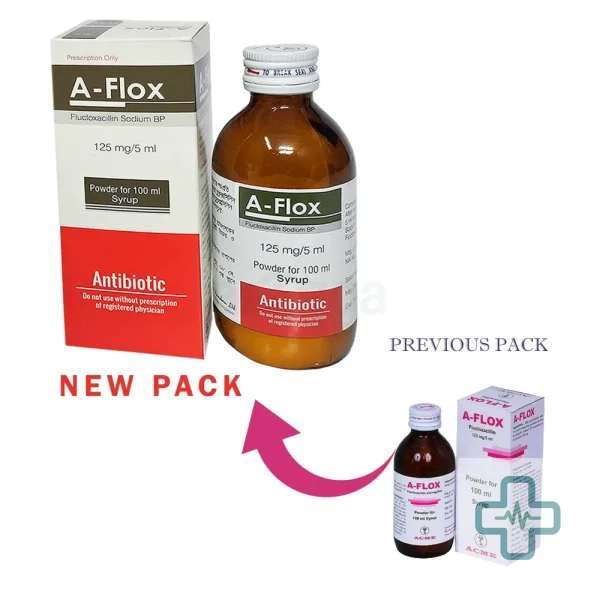
A Flox 125 mg/5 ml Powder For Suspension
Flucloxacillin
The ACME Laboratories Ltd.
A Flox 250 mg/VIAL Injection
Flucloxacillin
The ACME Laboratories Ltd.
A Flox 500 mg/VIAL Injection
Flucloxacillin
The ACME Laboratories Ltd.
Ab Flu 500 mg Capsule
Flucloxacillin
Premier Pharmaceuticals Ltd.
Abcin 250 mg Capsule
Flucloxacillin
Ablation Pharmaceuticals Ltd.
Adflox 500 mg Capsule
Flucloxacillin
Team Pharmaceuticals Ltd.
Alfux 250 mg Capsule
Flucloxacillin
Albion Laboratories Ltd.
Alfux-DS 125 mg/5 ml Powder For Suspension
Flucloxacillin
Albion Laboratories Ltd.

Ancoc 250 mg Capsule
Flucloxacillin
Marker Pharmaceuticals Ltd.

Ancoc 500 mg Capsule
Flucloxacillin
Marker Pharmaceuticals Ltd.
Ancoc 125 mg/5 ml Powder For Suspension
Flucloxacillin
Marker Pharmaceuticals Ltd.

Auxil 250 mg Capsule
Flucloxacillin
Doctor's Chemicals Works Ltd.
Auxil 500 mg Capsule
Flucloxacillin
Doctor's Chemicals Works Ltd.

Auxil 125 mg/5 ml Powder For Suspension
Flucloxacillin
Doctor's Chemicals Works Ltd.
BD-Flox 125 mg/5 ml Powder For Suspension
Flucloxacillin
Bengal Drugs & Chemical Works Pharm. Ltd.
Beloxs 125 mg/5 ml Powder For Suspension
Flucloxacillin
Benham Pharmaceuticals Ltd.
Clox 250 mg Capsule
Flucloxacillin
Asiatic Laboratories Ltd.
Clox 500 mg Capsule
Flucloxacillin
Asiatic Laboratories Ltd.
Clox 125 mg/5 ml Powder For Suspension
Flucloxacillin
Asiatic Laboratories Ltd.
Clox-F 250 mg/5 ml Powder For Suspension
Flucloxacillin
Asiatic Laboratories Ltd.
Cloxadol 500 mg Capsule
Flucloxacillin
Dolphin Pharmaceuticals Ltd.
Cloxadol 125 mg/5 ml Powder For Suspension
Flucloxacillin
Dolphin Pharmaceuticals Ltd.
All Flucloxacillin brands (277)
- A Flox 125 mg/5 ml Powder For Suspension
- A Flox 250 mg Capsule
- A Flox 250 mg/VIAL Injection
- A Flox 500 mg Capsule
- A Flox 500 mg/VIAL Injection
- Ab Flu 500 mg Capsule
- Abcin 250 mg Capsule
- Adflox 500 mg Capsule
- Alfux 250 mg Capsule
- Alfux-DS 125 mg/5 ml Powder For Suspension
- Ancoc 125 mg/5 ml Powder For Suspension
- Ancoc 250 mg Capsule
- Ancoc 500 mg Capsule
- Auxil 125 mg/5 ml Powder For Suspension
- Auxil 250 mg Capsule
- Auxil 500 mg Capsule
- BD-Flox 125 mg/5 ml Powder For Suspension
- Beloxs 125 mg/5 ml Powder For Suspension
- Clox 125 mg/5 ml Powder For Suspension
- Clox 250 mg Capsule
- Clox 500 mg Capsule
- Clox-F 250 mg/5 ml Powder For Suspension
- Cloxadol 125 mg/5 ml Powder For Suspension
- Cloxadol 500 mg Capsule
- Cloxafu 250 mg Capsule
- Cloxafu 500 mg Capsule
- Dolopen 250 mg/VIAL Injection
- Dolopen 500 mg/VIAL Injection
- Doribac 250 mg Capsule
- Doribac 500 mg Capsule
- Doribac PFS 125 mg/5 ml Powder For Suspension
- E Flu 125 mg/5 ml Powder For Suspension
- E Flu 500 mg Capsule
- Eflu 250 mg Capsule
- Eflucin 125 mg/5 ml Powder For Suspension
- Eflucin 250 mg/VIAL Injection
- Eflucin 500 mg/VIAL Injection
- F Clox 125 mg/5 ml Powder For Suspension
- F Clox 500 mg Capsule
- Faxilin 500 mg Capsule
- Fcx 125 mg/5 ml Powder For Suspension
- Fcx 250 mg Capsule
- Fcx 500 mg Capsule
- Flac 250 mg Capsule
- Flora 125 mg/5 ml Powder For Suspension
- Flora 250 mg Capsule
- Flox 125 mg/5 ml Powder For Suspension
- Flox 250 mg Capsule
- Flox 500 mg Capsule
- Floxabac 250 mg Capsule
- Floxabac 500 mg Capsule
- Floxabac 500 mg Injection
- Floxapen 125 mg/5 ml Powder For Suspension
- Floxapen 250 mg Capsule
- Floxapen 500 mg Capsule
- Floxason 125 mg/5 ml Powder For Suspension
- Floxason 250 mg Capsule
- Floxason DS 500 mg Capsule
- Floxirak 500 mg Capsule
- Floxiva 125 mg/5 ml Powder For Suspension
- Floxiva 500 mg Capsule
- Flu-K 500 mg Capsule
- Flubac 125 mg/5 ml Powder For Suspension
- Flubac 250 mg Capsule
- Flubac 500 mg Capsule
- Flubex 125 mg/5 ml Powder For Suspension
- Flubex 250 mg Capsule
- Flubex 500 mg Capsule
- Flubex Powderfor Syrup 250 mg/5 ml Powder For Suspension
- Flubion 500 mg Capsule
- Flubiotic 125 mg/5 ml Powder For Suspension
- Flubiotic 250 mg Capsule
- Flubiotic 500 mg Capsule
- Fluc 125 mg/5 ml Powder For Suspension
- Fluc 250 mg Capsule
- Fluc 500 mg Capsule
- Flucillin 125 mg/5 ml Powder For Suspension
- Flucillin 250 mg Capsule
- Flucillin 500 mg Capsule
- Flucin 125 mg/5 ml Powder For Suspension
- Flucin 250 mg Capsule
- Flucin 500 mg Capsule
- Fluclox 125 mg/5 ml Powder For Suspension
- Fluclox 250 mg Capsule
- Fluclox 250 mg/VIAL Injection
- Fluclox 500 mg Capsule
- Fluclox 500 mg/VIAL Injection
- Flucloxacillin 125 mg/5 ml Powder For Suspension
- Flucloxacillin 250 mg Capsule
- Flucloxacillin 500 mg Capsule
- Flucloxi 125 mg/5 ml Powder For Suspension
- Flucloxi 250 mg Capsule
- Flucloxi 500 mg Capsule
- Flucloxin 125 mg/5 ml Powder For Suspension
- Flucloxin 250 mg Capsule
- Flucloxin 500 mg Capsule
- Flucloxin IV/IM 500 mg/VIAL Injection
- Flucocin 125 mg/5 ml Powder For Suspension
- Flucocin 250 mg/5 ml Powder For Suspension
- Flucocin 500 mg Capsule
- Flucopen 125 mg/5 ml Powder For Suspension
- Flucopen 250 mg Capsule
- Flucopen 500 mg Capsule
- Flukin 125 mg/5 ml Powder For Suspension
- Flukin 250 mg Capsule
- Flukin 250 mg/5 ml Powder For Suspension
- Flukin 500 mg Capsule
- Fluking 125 mg/5 ml Powder For Suspension
- Fluking 250 mg Capsule
- Fluking 500 mg Capsule
- Flumark 125 mg/5 ml Powder For Suspension
- Flumark 500 mg Capsule
- Flumax 250 mg Capsule
- Flumax 500 mg Capsule
- Flumed 125 mg/5 ml Powder For Suspension
- Flumed 250 mg Capsule
- Flumed 500 mg Capsule
- Flunex 500 mg Capsule
- Flunid 125 mg/5 ml Powder For Suspension
- Flunid 250 mg Capsule
- Flunid 500 mg Capsule
- Flupen 125 mg/5 ml Powder For Suspension
- Flupen 250 250 mg Capsule
- Flupen 250 mg Capsule
- Flupen 250 mg/VIAL Injection
- Flupen 500 500 mg Capsule
- Flupen 500 mg Capsule
- Flupen 500 mg/VIAL Injection
- Flustaph 125 mg/5 ml Powder For Suspension
- Flustaph 500 mg Capsule
- Flustar 125 mg/5 ml Powder For Suspension
- Flustar 250 mg Capsule
- Flustar 500 mg Capsule
- Flustar DS 250 mg/5 ml Powder For Suspension
- Fluster 250 mg Injection
- Fluster 500 mg Injection
- Flusun 125 mg/5 ml Powder For Suspension
- Flusun 500 mg Capsule
- Flutam 250 mg Capsule
- Flutam 250 mg/5 ml Powder For Suspension
- Flutec 125 mg/5 ml Powder For Suspension
- Flutec 250 mg Capsule
- Flux 125 mg/5 ml Powder For Suspension
- Flux 250 mg Capsule
- Flux 250 mg/5 ml Powder For Suspension
- Flux 250 mg/VIAL Injection
- Flux 500 mg Capsule
- Flux 500 mg/VIAL Injection
- Fluxac 125 mg/5 ml Powder For Suspension
- Fluxac 250 mg Capsule
- Fluxac 500 mg Capsule
- Fluxalin 250 mg Capsule
- Fluxalin 500 mg Capsule
- Fluxicap 250 mg Capsule
- Fluxicap 500 mg Capsule
- Fluxin 125 mg/5 ml Powder For Suspension
- Fluxin 250 mg Capsule
- Fluxin 500 mg Capsule
- Fluxon 125 mg/5 ml Powder For Suspension
- Fluxon 250 mg Capsule
- Fluxon 250 mg/VIAL Injection
- Fluxon 500 mg Capsule
- Flxzen 125 mg/5 ml Powder For Suspension
- Flxzen 250 mg Capsule
- Flxzen 500 mg Capsule
- Fu Clox 125 mg/5 ml Powder For Suspension
- Fu Clox 500 mg Capsule
- Fucil 125 mg/5 ml Powder For Suspension
- Fucil 250 mg Capsule
- Fucil 500 mg Capsule
- Fuclox 250 mg Capsule
- Fulcin 125 mg/5 ml Powder For Suspension
- Fulcin 250 mg Capsule
- Fulcin 500 mg Capsule
- Fulin 125 mg/5 ml Powder For Suspension
- Fulin 250 mg Capsule
- Fulin 500 mg Capsule
- Fustat 250 mg Capsule
- Fuxeral 500 mg Capsule
- G-Flucloxacillin 500 mg/VIAL Injection
- G-Flucloxacillin 500mg Capsule
- G-Flucloxacillin Dry Syrup 125 mg/5 ml Powder For Suspension
- Halopen 125 mg/5 ml Powder For Suspension
- Halopen 250 mg Capsule
- Halopen 500 mg Capsule
- Inclox 125 mg/5 ml Powder For Suspension
- Inclox 250 mg Capsule
- Inclox 500 mg Capsule
- Indoflox 125 mg/5 ml Powder For Suspension
- Indoflox 250 mg Capsule
- Indoflox 500 mg Capsule
- Isoclox 125 mg/5 ml Powder For Suspension
- Isoclox 250 mg Capsule
- Isoclox 500 mg Capsule
- Isoflu 125 mg/5 ml Powder For Suspension
- Isoflu 500 mg Capsule
- Isopen 125 mg/5 ml Powder For Suspension
- Isopen 250 mg Capsule
- Luf 125 mg/5 ml Powder For Suspension
- Luf 250 mg Capsule
- Luff 500 mg Capsule
- Luoxa 250 mg Capsule
- Maflox 125 mg/5 ml Powder For Suspension
- Maflox 250 mg Capsule
- Maflox 500 mg Capsule
- Makflucin 250 mg Capsule
- Makflucin 500 mg Capsule
- Monaclox 125 mg/5 ml Powder For Suspension
- Monaclox 250 mg Capsule
- Monaclox-F 500 mg Capsule
- Murein 500 mg Capsule
- Novalox 125 mg/5 ml Powder For Suspension
- Novalox 500 mg Capsule
- Orgaflu 125 mg/5 ml Powder For Suspension
- Orgaflu 500 mg Capsule
- Oxacol 500 mg Capsule
- Penflu 125 mg/5 ml Powder For Suspension
- Penflu 250 mg Capsule
- Penflu 500 mg Capsule
- Perpen 125 mg/5 ml Powder For Suspension
- Perpen 250 mg Capsule
- Perpen 500 mg Capsule
- Phylopen 125 mg/5 ml Powder For Suspension
- Phylopen 250 mg Capsule
- Phylopen 250 mg/VIAL Injection
- Phylopen 500 500 mg/VIAL Injection
- Phylopen 500 mg Capsule
- Phylopen 500 mg/VIAL Injection
- Priclox 500 mg Capsule
- Quflox 500 mg 500 mg Capsule
- Quflox 500 mg Capsule
- Reflux 500 mg Capsule
- Releflu 250 mg Capsule
- Releflu 500 mg Capsule
- Revistar 250 mg Capsule
- Revistar 500 mg Capsule
- S Fluclox 250 mg Capsule
- S-Fluclox 500 mg Capsule
- Safty 500 mg Capsule
- Siloxs 125 mg/5 ml Powder For Suspension
- Sinaflox 125 mg/5 ml Powder For Suspension
- Sinaflox 250 mg Capsule
- Sinaflox 500 mg Capsule
- Skilox 125 mg/5 ml Powder For Suspension
- Skilox 250 mg Capsule
- Skilox 500 mg Capsule
- Sofa 250 mg Capsule
- Softapen 125 mg/5 ml Powder For Suspension
- Softapen 250 mg Capsule
- Softapen 500 mg Capsule
- Sparflu 500 mg Capsule
- Stafaclox 125 mg/5 ml Powder For Suspension
- Stafaclox 500 mg Capsule
- Staflu 125 mg/5 ml Powder For Suspension
- Staflu 250 mg Capsule
- Staflu 500 mg Capsule
- Staflu DS 125 mg/5 ml Powder For Suspension
- Stafoxin 125 mg/5 ml Powder For Suspension
- Stafoxin 250 mg Capsule
- Stafoxin 500 mg Capsule
- Staphen 125 mg/5 ml Powder For Suspension
- Staphen 250 mg Capsule
- Staphylox 500 mg Capsule
- Stapkil 125 mg/5 ml Powder For Suspension
- Stapkil 250 mg Capsule
- Stapkil 500 mg Capsule
- Surgeflox 125 mg/5 ml Powder For Suspension
- Surgeflox 250 mg Capsule
- Surgeflox-500 mg Capsule
- Syflu 125 mg/5 ml Powder For Suspension
- Syflu 250 mg Capsule
- Syflu 500 mg Capsule
- Topflu 250 mg/5 ml Powder For Suspension
- Topflu 500 mg Capsule
- U Flu 500 mg Capsule
- Uflu 250 mg Capsule
- Xeflux 500 mg Capsule
What is Flucloxacillin?
Flucloxacillin is a penicillinase-resistant penicillin antibiotic medicine available in Bangladesh under many brand names. Below are its uses, side effects and precautions — and every brand with its current price.
What is Flucloxacillin used for?
- Skin and soft-tissue infections (cellulitis, boils, abscesses)
- Infected wounds, burns, and insect bites
- Impetigo and other staph skin infections
- Bone and joint infections (often with other treatment)
- Some ear, chest, and surgical-wound infections
Side Effects
Flucloxacillin is usually well tolerated. Possible side effects include:
- Nausea, vomiting, or diarrhoea
- Indigestion or abdominal discomfort
- Mild skin rash
- Thrush with longer courses
Rarely, flucloxacillin can cause liver problems (sometimes appearing days or weeks after stopping) with yellowing of the skin or eyes, dark urine, and itching. Seek urgent care for serious allergic reactions, jaundice, or severe, persistent diarrhoea.
Precautions & Warnings
Flucloxacillin is a prescription-only antibiotic — never self-medicate. Take it only when a registered doctor prescribes it, and never share it with others or buy it over the counter for a skin problem. Always complete the full course, even after the wound or rash looks healed; the infection can reach deeper than it appears, and stopping early lets resistant bacteria survive and return.
Tell your doctor about any penicillin allergy or past liver problems with this medicine. Antibiotic resistance is a serious national crisis in Bangladesh, and using antibiotics like Flucloxacillin without proper advice or for the wrong reasons makes it worse.
Drug Interactions
Tell your doctor about all medicines you take. Notable interactions with Flucloxacillin include:
- Methotrexate — its toxicity can increase
- Probenecid — raises flucloxacillin levels in the blood
- Warfarin — bleeding tendency may change
- Paracetamol — taken together in high doses long term, a rare blood-acid problem has been reported
- Oral typhoid vaccine may be less effective
Contraindications
Do not take Flucloxacillin if you:
- Are allergic to flucloxacillin, penicillin, or related antibiotics
- Have had jaundice or liver problems caused by flucloxacillin before
Use with caution and tell your doctor if you have liver or kidney disease, or are elderly, as the rare risk of liver effects is higher. Your doctor will decide whether Flucloxacillin is suitable for you.
Pregnancy & Lactation
Flucloxacillin is generally considered acceptable during pregnancy when needed, as penicillins have a long record of use, but take it only on a doctor's advice. Tell your doctor if you are pregnant or planning to conceive.
Only tiny amounts pass into breast milk and it is usually regarded as compatible with breastfeeding, though the baby may occasionally have loose stools or thrush. Always mention breastfeeding before starting Flucloxacillin.
Storage
Store Flucloxacillin in a cool, dry place below 30°C, away from direct sunlight and moisture, in its original pack. Reconstituted suspension for children should be kept as advised on the label (often refrigerated) and used within the stated time. Keep all forms out of children's reach and do not use after the expiry date.
Frequently asked questions about Flucloxacillin
I am allergic to penicillin — is Flucloxacillin safe for me?
General information about Flucloxacillin, written from a shared template for every medicine with this ingredient by the ChamberBD content team. This page has not been individually reviewed by a clinician and does not replace a doctor's advice — always follow your doctor's prescription.