Urinary Tract Infection (UTI) in Women: Causes, Treatment and Prevention
Burning pain when passing urine, running to the toilet every half hour, a heaviness in the lower belly — urinary tract infections (UTIs) are among the most common infections women face. In Bangladesh, many women suffer in silence out of embarrassment, or swallow a few capsules from the pharmacy and hope for the best. UTIs are very treatable, but treated wrongly they come back again and again — and ignored, they can climb up to the kidneys.
Why do women get UTIs more often than men?
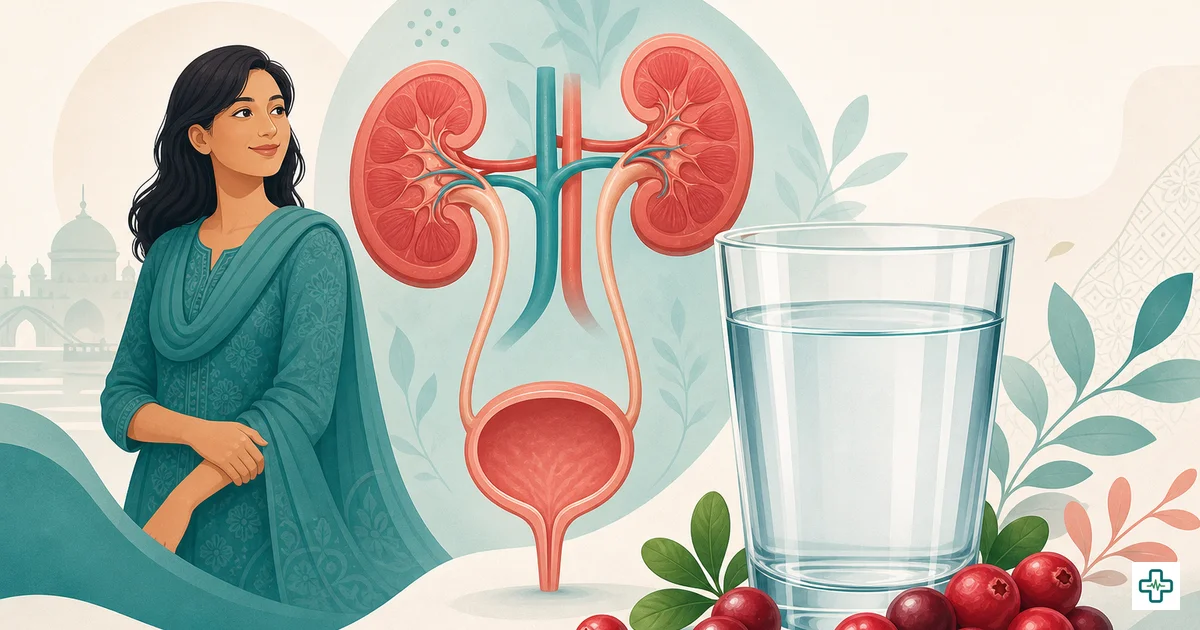
The main reason is anatomy: a woman's urethra (the urine passage) is much shorter than a man's and sits close to the anus, so gut bacteria such as E. coli can reach the bladder easily. Risk rises further with sexual activity, pregnancy, diabetes, menopause and the habit of holding urine for long hours. Drinking too little water — common during office hours, long journeys and fasting — also concentrates the urine and helps bacteria grow.
What are the symptoms of a UTI?
A bladder infection usually announces itself quite clearly, and recognising it early means quicker treatment and less misery. Typical symptoms include:
- Burning or pain while urinating
- Needing to urinate very often, but passing only small amounts
- A sudden, hard-to-control urge to urinate
- Pain or heaviness in the lower abdomen
- Cloudy or foul-smelling urine, sometimes with blood
If fever with shivering, pain in the back or side, nausea or vomiting join these symptoms, the infection may have reached the kidneys — that is an emergency, not something to manage at home.
Getting tested and treated the right way
Whenever possible, give a urine sample for routine examination (urine R/E) — and ideally a culture and sensitivity test — before starting antibiotics, because the culture shows exactly which antibiotic will work. Then take the full course exactly as your doctor prescribes, even though symptoms often improve within a day or two. Stopping halfway, reusing an old prescription or buying two or three capsules from a pharmacy breeds resistant bacteria that are far harder to treat the next time — this is exactly how antibiotic resistance is growing in Bangladesh. Drink plenty of water meanwhile, use paracetamol for discomfort only as a doctor advises, and look up your prescribed medicines in the ChamberBD medicine directory if you want to understand them better.
How can you prevent UTIs?
Simple daily habits prevent a large share of UTIs, especially the ones that keep returning. Build these into your routine:
- Drink 8-10 glasses of water a day and never hold urine for hours
- Urinate soon after intercourse
- After the toilet, always wipe from front to back
- Prefer cotton underwear and change it daily; avoid tight synthetic wear in hot weather
- Skip harsh soaps and so-called feminine washes in the private area — plain water is enough
- Keep diabetes and constipation under control
Recurrent UTIs and UTIs in pregnancy
If you get two or more UTIs in six months, or three in a year, do not keep treating each one blindly — ask your doctor for a proper workup, which may include an ultrasound, blood sugar testing and a review of habits, to find the underlying cause. In pregnancy, UTIs deserve special respect: even an infection without symptoms can trigger kidney infection or early labour, which is why urine is checked at antenatal visits. A pregnant woman should report any urinary symptom to her doctor the same day and take only pregnancy-safe antibiotics, for the full prescribed course.
When should you see a doctor?
See a doctor promptly — rather than self-treating — if burning or frequency lasts more than a day or two, if you see blood in the urine, or if you are pregnant, diabetic or over 60. Go urgently, the same day, if there is fever with chills, back or flank pain, repeated vomiting, or sudden confusion in an elderly family member, because kidney infections can turn severe quickly. A gynaecologist, medicine specialist or urologist can all help; you can book a verified doctor on ChamberBD and carry your previous urine reports to the appointment.
This article is for general health education and is not a substitute for professional medical advice.