Chamber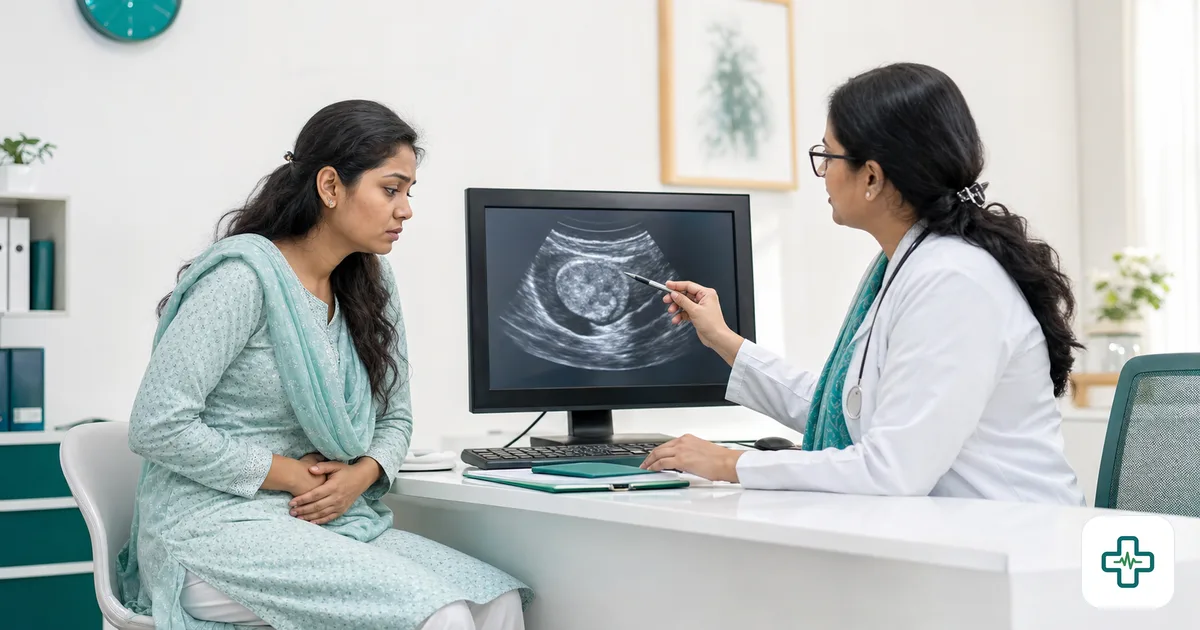
Uterine Fibroids: Heavy Bleeding and Treatment
Uterine fibroids are among the most common conditions affecting women in Bangladesh, especially during the reproductive years. Despite the frightening word "tumour" often used to describe them, fibroids are almost always non-cancerous and many cause no trouble at all. The real problem for many women is heavy, prolonged periods that quietly drain the body of iron and lead to anaemia. Knowing the symptoms and the modern treatment choices helps you make a calm, informed decision rather than rushing into surgery out of fear.
What are uterine fibroids?
Fibroids are firm growths made of muscle and fibrous tissue that develop in or on the wall of the uterus (womb). They can be as small as a seed or grow large enough to change the shape of the abdomen. A woman may have one fibroid or many, and they can sit inside the womb cavity, within the muscle wall, or on the outer surface. Their growth is driven by the female hormones oestrogen and progesterone, which is why fibroids tend to shrink after menopause.
What are the symptoms and warning signs?
Many fibroids cause no symptoms. When they do, the most troublesome is bleeding. Common symptoms include:
- Heavy or prolonged menstrual periods, sometimes with clots.
- Bleeding between periods or very frequent periods.
- A feeling of pressure or fullness in the lower abdomen.
- Frequent urination or difficulty fully emptying the bladder.
- Lower back pain, constipation, or pain during intercourse.
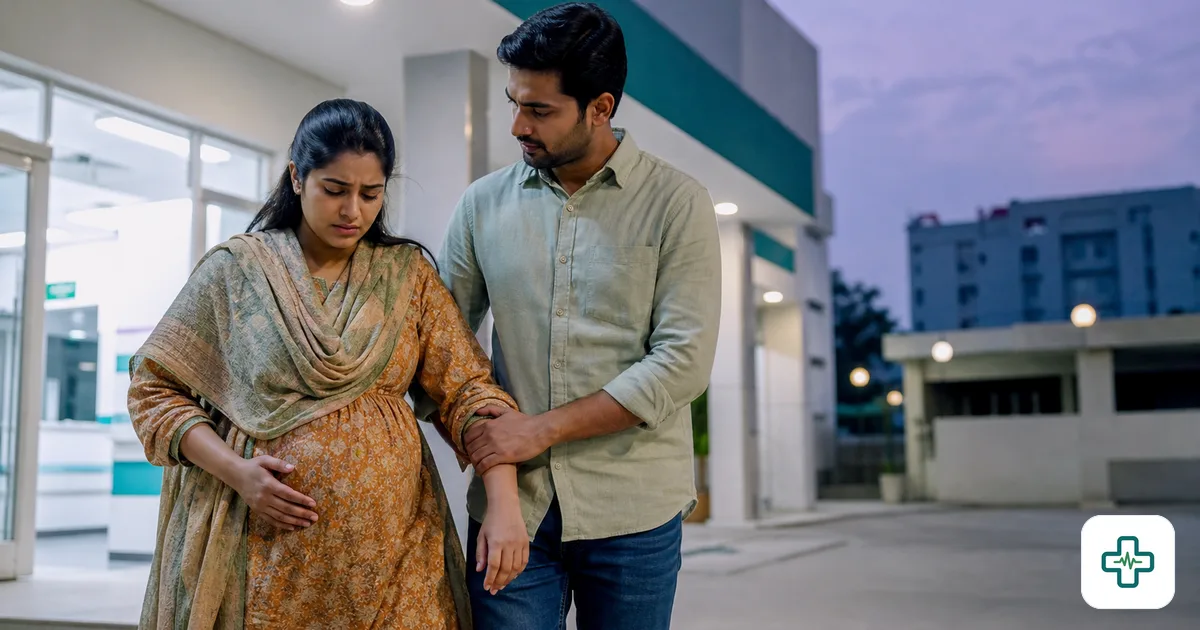
Soaking through pads every hour, passing large clots, or feeling weak, breathless and very tired can mean you have lost enough blood to become anaemic, and this needs prompt attention.
Why are fibroids linked with anaemia?
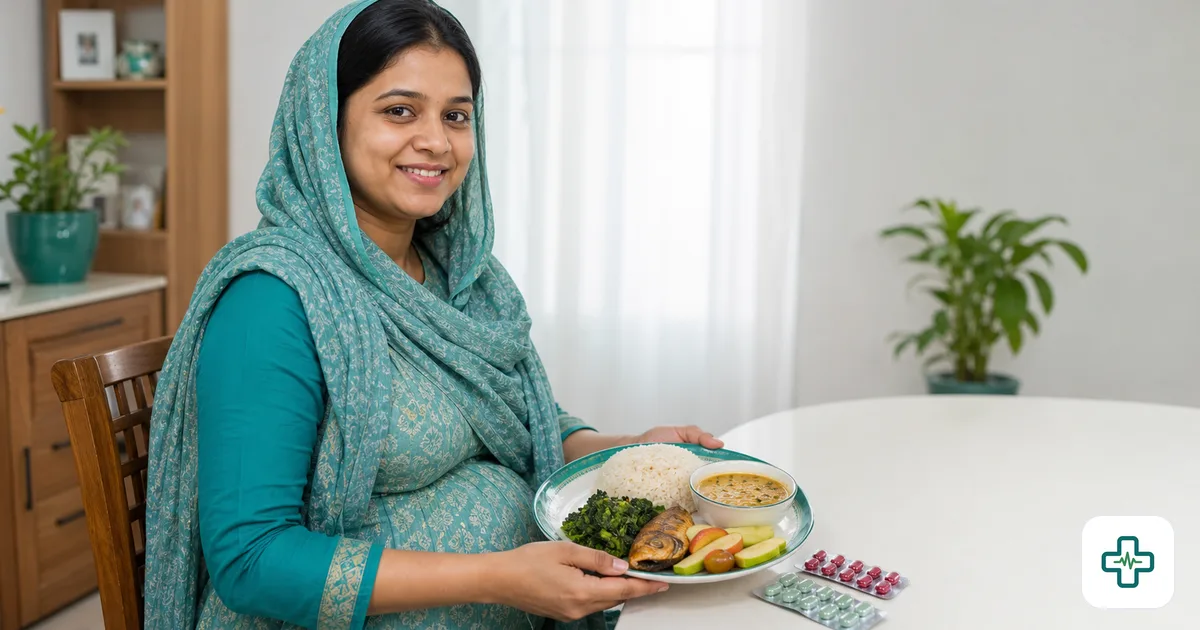
Month after month of heavy bleeding removes more iron from the body than food can replace. The result is iron-deficiency anaemia, which leaves women feeling exhausted, dizzy, pale and short of breath while climbing stairs. In Bangladesh, where many women already have low iron stores, fibroid-related bleeding can make anaemia much worse. Treating the bleeding and replacing iron together is often the key to feeling well again. Iron supplements should be taken on a doctor's advice rather than guessed at.
What causes fibroids and who is at risk?
The exact cause is not fully known, but hormones clearly play the central role. Fibroids are more likely if they run in the family, if periods started at an early age, or with obesity. They are less common in women who have had several pregnancies. Fibroids are not caused by anything you did wrong, and they are not contagious. A pelvic ultrasound is the usual way to confirm them and measure their size and position.
What are the treatment options?
Treatment depends on your symptoms, the size and number of fibroids, your age, and whether you wish to have children. Choices include:
- Watchful waiting: small, symptom-free fibroids often need no treatment, only periodic review.
- Medicines: hormonal treatments and tranexamic acid can reduce heavy bleeding, and iron corrects anaemia. Period pain can be eased with a common drug such as paracetamol, which you can look up in our medicine directory.
- Surgery: myomectomy removes the fibroids while keeping the uterus, useful for women who want to conceive; hysterectomy removes the womb and is a permanent solution for those who have completed their family.
Your gynaecologist will help you weigh these options; you can find a registered specialist through our list of registered doctors, and keep your treatment record tidy with our free prescription tool.
When should you see a doctor?
See a gynaecologist if your periods are heavy or lasting longer than seven days, you are bleeding between periods, you feel persistent pelvic pressure, or you have signs of anaemia such as tiredness, dizziness and breathlessness. Seek urgent care for very heavy bleeding that soaks a pad every hour, severe sudden abdominal pain, or fainting. Any unusual bleeding after menopause should always be checked promptly.
Frequently Asked Questions
Are uterine fibroids cancer?
No. Fibroids are non-cancerous growths, and the chance of a true cancer (sarcoma) being mistaken for a fibroid is very small. Still, any rapidly growing lump or unusual bleeding should be assessed by a doctor to be sure.
Can I get pregnant if I have fibroids?
Many women with fibroids conceive and have healthy pregnancies. Depending on their size and location, some fibroids can make conception harder or raise the chance of complications, so it is worth discussing your plans with a gynaecologist before trying.
Do fibroids go away on their own?
They rarely disappear before menopause, but small fibroids may stay the same for years and cause no problems. After menopause, when hormone levels fall, fibroids commonly shrink and symptoms often ease.
Will I definitely need my uterus removed?
No. Hysterectomy is only one option and is usually reserved for severe cases or women who have completed their family. Many women are managed with medicine or fibroid-only surgery, and you can read more in our collection of health tips.
This article is for general health education and is not a substitute for professional medical advice; please consult a qualified doctor about your own situation.