Chamber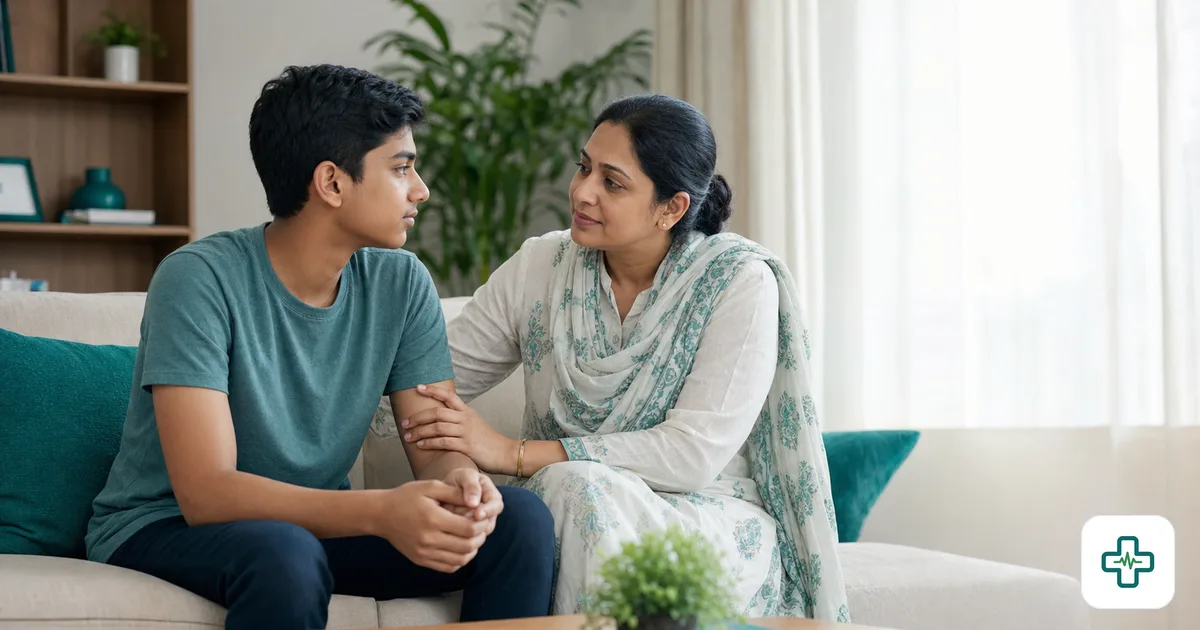
Teen Mental Health: Warning Signs and How to Help
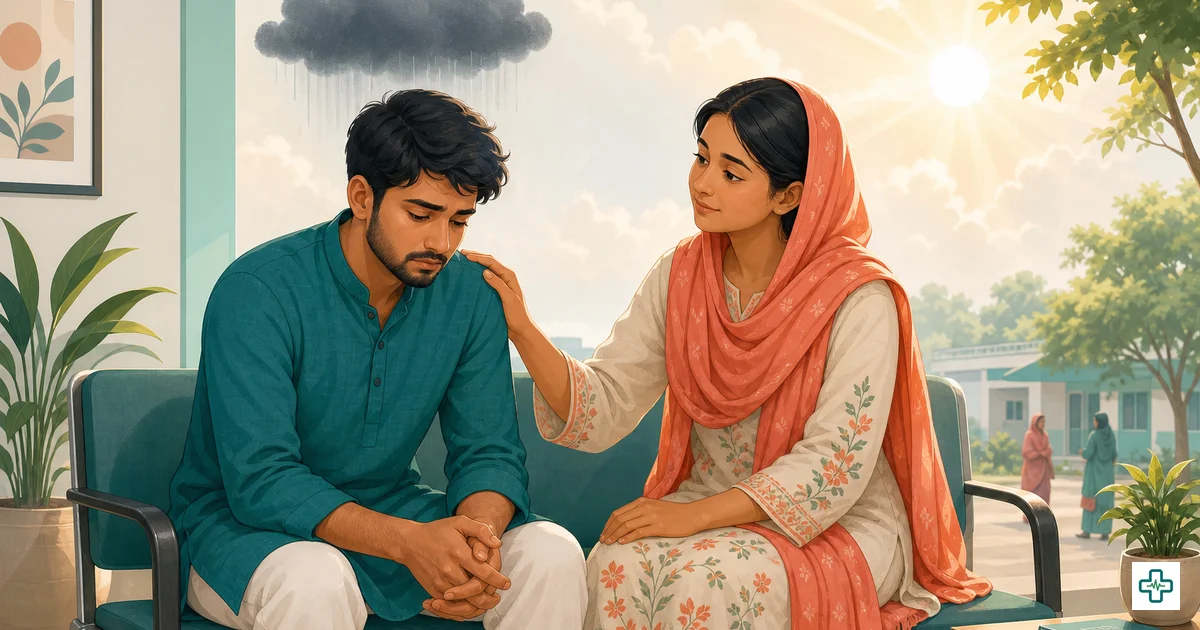
The teenage years are a time of huge change in the body, brain and emotions, and some ups and downs are completely normal. But in Bangladesh, rising exam pressure, comparison on social media, family expectations and changing relationships mean many teenagers quietly struggle with their mental health. Depression and anxiety in young people are common and treatable, yet they are often missed because the signs look like "normal teenage behaviour" or are brushed aside. Recognising the warning signs early and responding with warmth can make a lasting difference.
Why are the teenage years so hard?
Adolescence brings rapid physical growth, powerful new emotions and a strong need to fit in, all while the brain is still developing. Teenagers face exam stress, pressure to do well, peer comparison, bullying (including online), and worries about the future. Heavy social media use and disturbed sleep can deepen these feelings. None of this means a teenager is weak; it means they are navigating a demanding stage and may need support.
Warning signs to watch for
It helps to notice changes that last more than a couple of weeks or that are out of character. Warning signs include:
- Persistent sadness, irritability, anger or frequent crying.
- Withdrawing from family, friends or activities once enjoyed.
- A drop in school performance, or refusing to go to school.
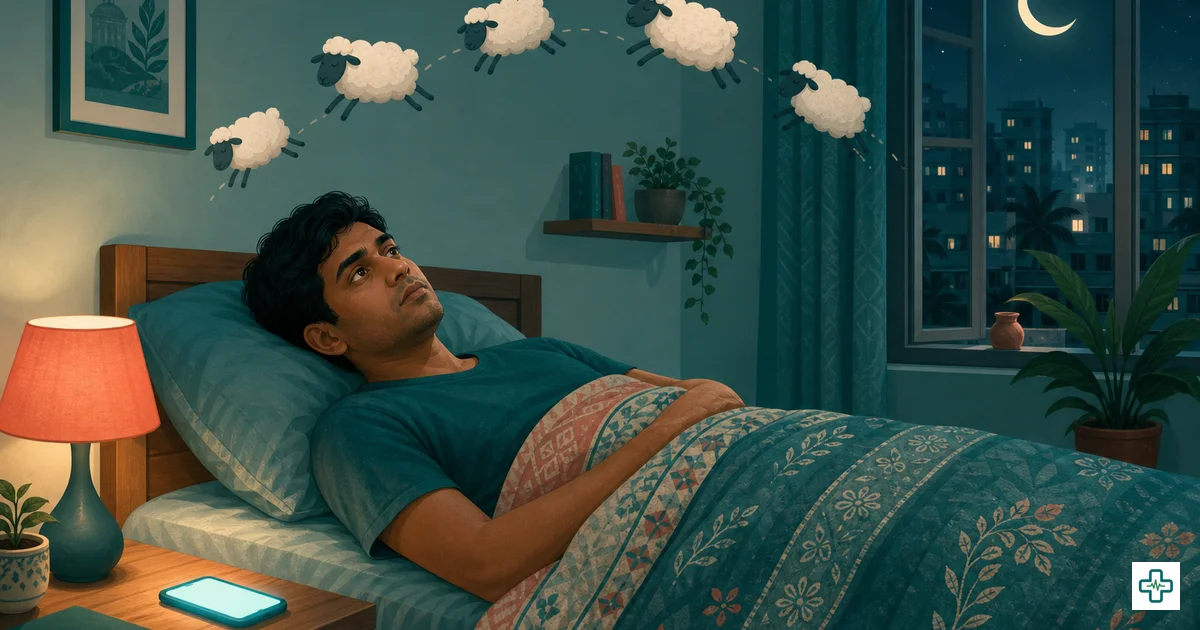
- Changes in sleep or appetite, or constant tiredness.
- Physical complaints like headaches or stomach aches with no clear cause.
- Talk of hopelessness, self-harm, or signs of cutting.
Any talk of self-harm or suicide must always be taken seriously and never dismissed as attention-seeking.
How can parents talk and support?
How a family responds matters enormously. Teenagers open up when they feel heard rather than judged.
- Listen calmly without interrupting, lecturing or immediately offering solutions.
- Take their feelings seriously, even if the problem seems small to you.
- Avoid harsh comparison with other children or with siblings.
- Encourage regular sleep, meals, physical activity and time offline.
- Keep the door open: let them know you are there whenever they want to talk.
Reducing pressure around exam results and praising effort rather than only marks can ease a great deal of stress.
Managing exam and social media stress
Exams are a major source of teenage stress in Bangladesh. Help your child plan study in manageable blocks with breaks, enough sleep and reassurance that their worth is not defined by a result. For social media, encourage screen-free time before bed, talk openly about online comparison and bullying, and model healthy phone habits yourself. Balance, not total bans, usually works best.
When should you seek professional help?
Seek help from a doctor or counsellor if warning signs last more than two weeks, worsen, or interfere with school, sleep or relationships. Get help urgently, the same day, if your teenager talks about suicide, harms themselves, or seems unsafe. Counselling and talk therapy are very effective, and a doctor will decide if any medicine is needed. You can find a child or adolescent mental-health specialist through our list of registered doctors, and if medicine is prescribed you can check it in the medicine directory rather than relying on rumour.
Frequently Asked Questions
How can I tell normal teenage moods from a real problem?
Normal moods come and go, while a mental health problem tends to last for weeks, affects several areas of life such as school, sleep and friendships, and represents a clear change from how your child usually is. When changes are persistent or severe, it is wise to seek advice rather than wait.
Will talking about suicide put the idea in my child's head?
No. Asking calmly and caringly about how your child feels does not plant the idea; it shows you care and gives them a chance to share. If a teenager talks about wanting to die or hurt themselves, take it seriously and seek professional help the same day.
Is too much screen time really harmful for teens?
Heavy or late-night screen use can disturb sleep, fuel comparison and worsen mood, though screens are not the only cause of teen distress. Encouraging balance, screen-free time before bed and open conversation about online life is more helpful than blame or sudden bans.
Do teenagers with depression always need medicine?
No. Many improve with counselling, family support and lifestyle changes alone. Medicine is sometimes needed for moderate to severe depression and is decided by a doctor; it should never be started or stopped on your own. You can read more in our collection of health tips.
To keep your child's treatment notes organised for follow-up visits, you can use our free prescription tool.
This article is for general health education and is not a substitute for professional medical advice; please consult a qualified doctor about your child.