Chamber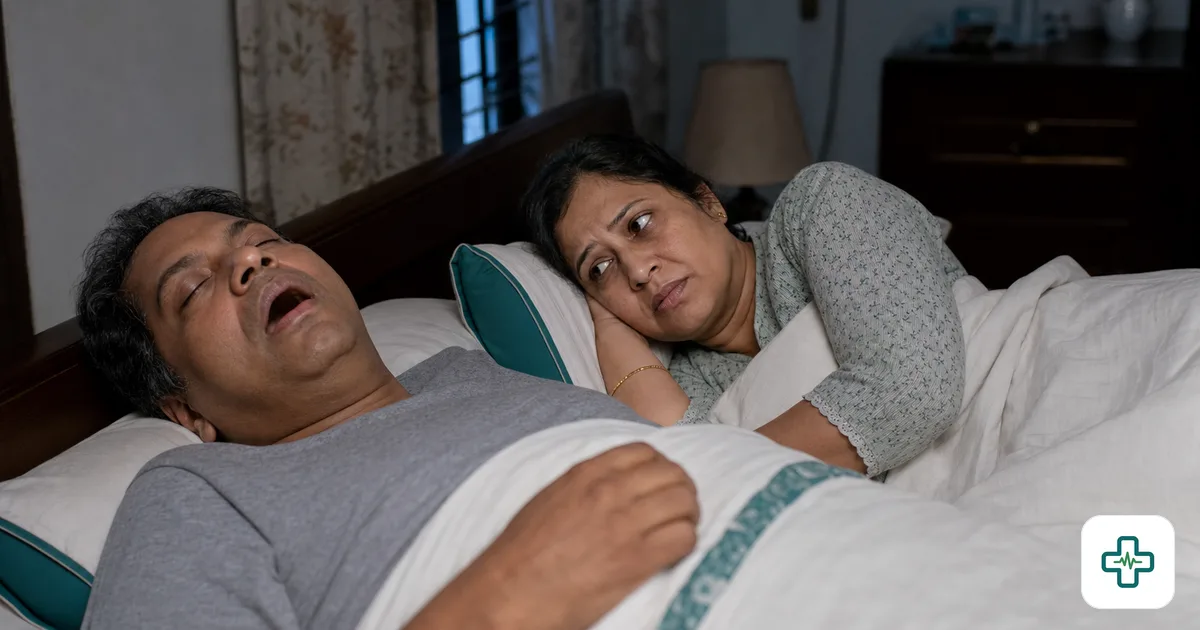
Sleep Apnoea and Snoring: Signs and Treatment
Snoring is often treated as a family joke in Bangladesh, but loud, nightly snoring with pauses in breathing can be a sign of a serious condition called obstructive sleep apnoea. In this condition the throat repeatedly closes during sleep, briefly stopping breathing many times an hour. The sleeper rarely remembers it, but the body is starved of oxygen and the heart is put under strain night after night. The good news is that sleep apnoea is treatable, and recognising it can protect the heart, blood pressure and blood sugar.
What is sleep apnoea?
During deep sleep the muscles of the throat relax. In obstructive sleep apnoea, the airway narrows or collapses completely, blocking airflow for several seconds until the brain briefly wakes the person to gasp and reopen the throat. This can happen dozens of times an hour without the person being aware. The constant interruptions prevent proper, restful sleep, which is why people feel exhausted despite spending a full night in bed.
What are the symptoms and warning signs?
Sleep apnoea shows up both at night and during the day. Common signs include:
- Loud, chronic snoring, often noticed by a partner.
- Pauses in breathing followed by gasping or choking sounds.
- Waking unrefreshed with a dry mouth or morning headache.
- Strong daytime sleepiness, even dozing off while sitting or driving.
- Poor concentration, irritability and low mood.
Falling asleep while driving is especially dangerous and needs urgent attention.
Why is sleep apnoea linked to the heart and diabetes?
Each pause in breathing drops the oxygen level and jolts the body awake, releasing stress hormones. Over months and years this raises blood pressure, strains the heart, and makes blood sugar harder to control. Untreated sleep apnoea is linked to high blood pressure, heart attack, irregular heartbeat, stroke and worsening type 2 diabetes. This is why it deserves to be taken seriously rather than dismissed as ordinary snoring.
What are the causes and risk factors?
Several things make sleep apnoea more likely. Being overweight, especially extra fat around the neck, is the most important and most reversible cause. Others include a thick or short neck, large tonsils, a blocked nose, smoking, alcohol or sleeping pills taken at night, and sleeping on the back. It becomes more common with age and in men, though women are also affected, particularly after menopause.
How is it managed and treated?
Simple changes help many people. Losing excess weight is the single most powerful step and can dramatically reduce snoring and pauses. Sleeping on your side, avoiding alcohol and sedatives at night, stopping smoking and treating a blocked nose all help. For moderate to severe apnoea, the main treatment is a CPAP machine, which gently blows air through a mask to keep the airway open during sleep. A doctor may also treat related problems; for example, blood pressure picked up during assessment may need its own management, and you can read about common medicines in our medicine directory. Your doctor can keep your plan clear using our free prescription tool.
When should you see a doctor and have a sleep test?
See a doctor if your snoring is loud and constant, if someone has noticed you stop breathing in your sleep, or if you feel very sleepy during the day despite enough hours in bed. This is especially urgent if you have high blood pressure, diabetes or have nodded off while driving. The doctor may arrange a sleep study, which measures your breathing and oxygen overnight to confirm the diagnosis and its severity. A chest physician or ENT specialist can guide treatment; you can see a relevant specialist through our list. For more on sleep, weight and heart health, browse our more health tips.
This article is for general health education and is not a substitute for professional medical advice.
Frequently Asked Questions
Is loud snoring always sleep apnoea?
No. Many people snore without having sleep apnoea. But snoring that is loud and constant, with pauses in breathing, gasping or strong daytime sleepiness, may be apnoea and should be checked by a doctor.
Can losing weight cure sleep apnoea?
For many people, losing excess weight greatly reduces or even resolves mild sleep apnoea, especially fat around the neck. In moderate to severe cases weight loss helps but a CPAP machine or other treatment is often still needed.
What is a CPAP machine?
A CPAP machine gently pushes air through a mask worn during sleep, keeping the throat open so breathing does not pause. It is the main treatment for moderate to severe sleep apnoea and is used under a doctor's guidance.
Do I really need a sleep test?
A sleep study is the reliable way to confirm sleep apnoea and measure how severe it is, which guides the right treatment. If your symptoms suggest apnoea, especially with heart or sugar problems, a doctor will usually recommend one.