Chamber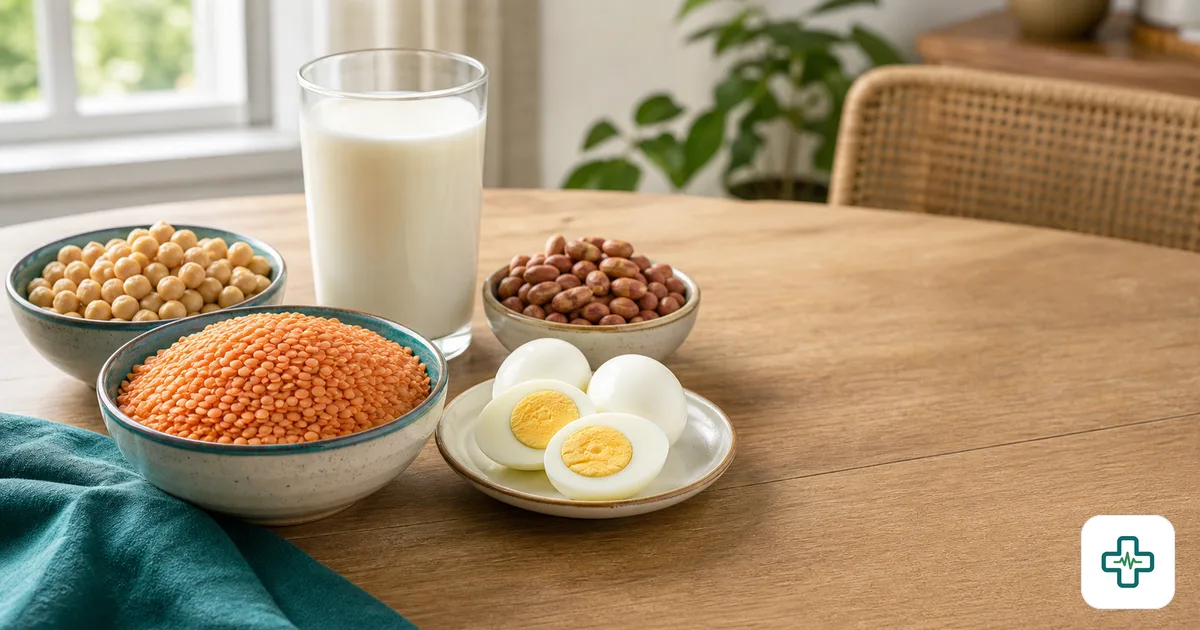
Protein for Vegetarians: Best Plant Sources in BD
Many people in Bangladesh eat little or no meat, whether by choice, on certain days, or for religious and cultural reasons. A common worry is whether a vegetarian diet provides enough protein, but the answer is reassuring: with a little planning, plant foods and dairy easily meet the body's needs. Protein is essential for building muscle, repairing tissue, supporting immunity and keeping you strong at every age. This article explains the best local sources and how to combine them well. It is general health information and does not replace advice from a qualified doctor.
Why does the body need protein?
Protein is one of the main building blocks of the body. It is used to build and repair muscles and tissues, make enzymes and hormones, support the immune system and carry nutrients. Children, pregnant and breastfeeding women, older adults and people recovering from illness have especially high needs. Unlike fat, the body cannot store extra protein for long, so it is best to include some at most meals rather than all at once.
What are the best plant protein sources?
Bangladesh has many affordable, protein-rich foods that suit a vegetarian diet.
- Dal and pulses such as masoor, mug, chhola and khesari, a cheap and familiar staple.
- Beans and legumes including chickpeas (chana), motor and other shim.
- Milk, yoghurt (doi), chhana and paneer for those who take dairy.
- Eggs, for ovo-vegetarians, which are an excellent and affordable complete protein.
- Nuts and seeds such as peanuts, almonds and sesame (til).
- Soya products, and smaller amounts from whole grains like brown rice, oats and atta ruti.
How do you combine foods for complete protein?
Protein is made of building blocks called amino acids. Animal foods, milk and eggs provide all the essential ones, while most single plant foods are a little low in one or another. The simple solution is to combine plant foods across the day, especially pulses with grains. The classic Bangladeshi pairing of dal with rice or ruti naturally provides a more complete protein, as does khichuri or chana with bread. You do not need to combine them in the same mouthful; eating a variety over the day is enough.
How much protein do you need each day?
As a general guide, many adults need roughly 0.8 to 1 gram of protein for each kilogram of body weight per day, so a 60 kg adult needs around 50 to 60 grams. Needs are higher during pregnancy and breastfeeding, for growing children, for older adults and during recovery from illness. The practical message is simple: include a good protein source, such as dal, egg, milk or beans, at each main meal rather than leaving protein to chance.
What should vegetarians watch out for?
A varied vegetarian diet is healthy, but a few nutrients need attention so the diet stays balanced.
- Vitamin B12 mainly comes from dairy and eggs; strict vegetarians who avoid these may need a supplement on medical advice.
- Iron from plants is absorbed less easily, so pair iron-rich foods like dal and green leafy vegetables with vitamin C foods such as lemon or amra.
- Calcium is important; include milk, doi, til and green leafy vegetables.
- Avoid relying on fried snacks and sweets to fill up, and keep meals varied.
When should you see a doctor or dietitian?
A balanced vegetarian diet suits most people, but personalised advice helps in some situations. See a doctor or dietitian if you feel persistently tired or weak, if you are pregnant, breastfeeding or planning pregnancy, if a child on a vegetarian diet is not growing well, or if you have anaemia or a chronic illness. You can see a relevant specialist such as a nutritionist or physician, and read more health tips on balanced eating and nutrition in pregnancy. If a supplement or iron is advised, you can check it in the medicine directory, and a free prescription tool can help keep instructions clear.
Frequently Asked Questions
Can vegetarians really get enough protein without meat?
Yes. Dal, beans, milk, doi, eggs, nuts and soya together provide ample protein, and combining pulses with grains like rice or ruti gives a more complete protein. With a varied diet and a protein source at each meal, most vegetarians meet their needs comfortably.
Is dal a complete protein on its own?
Dal is rich in protein but slightly low in some amino acids. Eaten with rice or ruti, as is common in Bangladesh, the combination provides a more complete protein, which is one reason this traditional pairing is so nutritious.
Do vegetarians need supplements?
Many do not, if their diet is varied and includes dairy and eggs. Strict vegetarians who avoid all animal products may need vitamin B12, and some people need iron or calcium support. Supplements are best taken on a doctor's advice rather than routinely on your own.
Is it safe for children to follow a vegetarian diet?
Children can grow well on a balanced vegetarian diet that includes enough protein, calcium, iron and, where relevant, vitamin B12. Because their needs are high, it is worth planning meals carefully and discussing growth with a doctor or dietitian if you have any concern.
This article is for general health education and is not a substitute for professional medical advice.