Chamber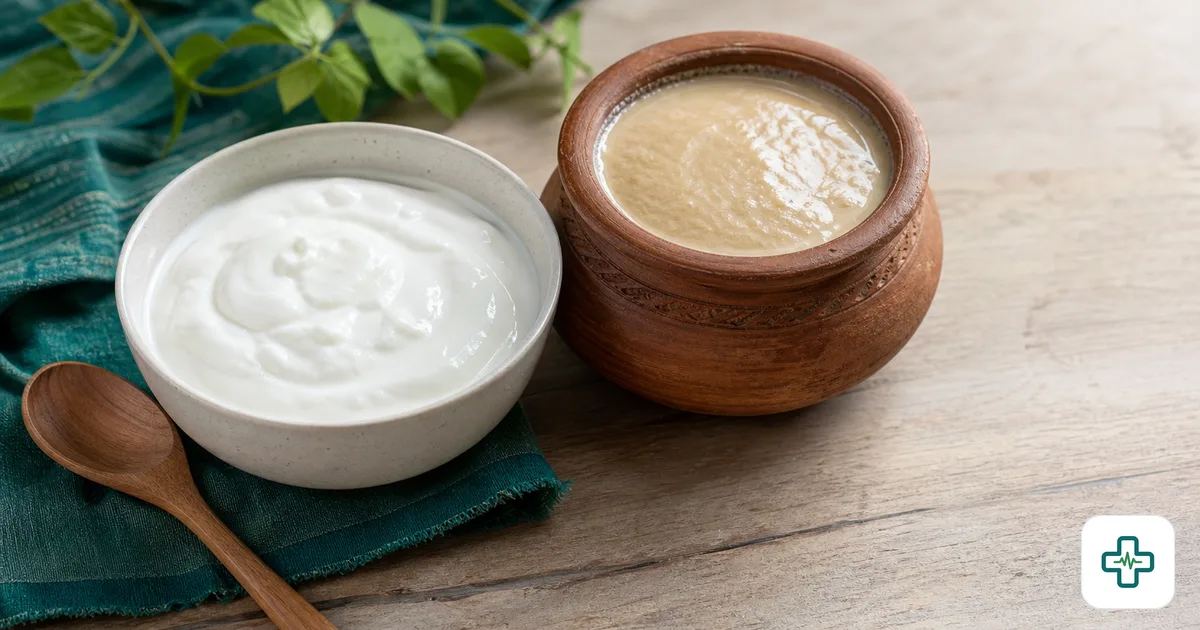
Probiotics and Gut Health: Yogurt and Fermented Foods
Inside your gut live trillions of bacteria that help digest food, make certain vitamins and support your immune system. This community is often called the gut microbiome, and keeping it healthy is an important part of overall wellbeing. Probiotics are the live, helpful bacteria found in foods like yogurt (doi) and other fermented foods, and they have become very popular. Understanding what probiotics can and cannot do helps you make sensible choices without wasting money on exaggerated claims.
What are probiotics and the gut microbiome?
The gut microbiome is the vast collection of bacteria and other microbes living mainly in your large intestine. A balanced microbiome helps break down food, produces short-chain fatty acids that nourish the gut lining, and trains the immune system. Probiotics are specific live bacteria, such as Lactobacillus and Bifidobacterium species, that can add to this helpful population when eaten in enough quantity. Prebiotics, by contrast, are the fibres in fruit, vegetables and whole grains that feed these good bacteria.
What are the benefits of yogurt and fermented foods?
Fermented foods are an easy, affordable way to support gut health in Bangladesh. Helpful options include:
- Plain yogurt (doi), especially with live cultures and little added sugar.
- Buttermilk and lassi made from fresh yogurt.
- Fermented vegetables and some traditional pickles made without excess salt.
- Fermented rice or batter dishes prepared hygienically.
Beyond probiotics, yogurt is also a good source of protein and calcium. Many people who struggle to digest milk find that yogurt sits more easily because some of the lactose is already broken down.
When do probiotics help after antibiotics?
Antibiotics treat infections but can also disturb the balance of good bacteria in the gut, sometimes causing loose stools. Taking probiotics, such as yogurt or a doctor-recommended probiotic, around a course of antibiotics may reduce antibiotic-associated diarrhoea in some people. If you take a probiotic supplement, separate it from the antibiotic dose by a couple of hours. Never stop a prescribed antibiotic early; you can check your medicines in our medicine directory to understand how to take them correctly.
What can probiotics realistically do?
Probiotics are helpful but not a miracle cure. Reasonable, evidence-based benefits include easing some cases of diarrhoea, supporting digestion and possibly helping certain people with irritable bowel symptoms. They are not a treatment for serious disease, and they do not replace a balanced diet rich in vegetables, fruit and fibre. The effect also depends on the specific strain and on eating them regularly, since the bacteria do not permanently colonise the gut for most people.
How can you keep your gut healthy overall?
A healthy gut depends on far more than probiotics alone:
- Eat plenty of fibre from vegetables, fruit, dal and whole grains.
- Include some fermented food like plain yogurt most days.
- Drink enough safe water and stay physically active.
- Limit very fatty, fried and heavily processed foods.
- Use antibiotics only when prescribed, to protect your good bacteria.
When should you see a doctor?
See a doctor if you have ongoing diarrhoea or constipation, unexplained weight loss, blood in the stool, persistent bloating or severe abdominal pain. These need proper assessment rather than self-treatment with probiotics. People with very weak immune systems should ask a doctor before taking concentrated probiotic supplements. You can see a relevant specialist such as a gastroenterologist through our list of registered doctors, keep your notes tidy with our free prescription tool, and read more health tips on digestion and nutrition.
Frequently Asked Questions
Is sweet, flavoured yogurt as good as plain doi?
Plain yogurt is better because sweetened and flavoured versions often contain a lot of added sugar, which is not good for your teeth, weight or blood sugar. Choose plain doi with live cultures and add fresh fruit yourself if you want sweetness.
Do I need expensive probiotic supplements?
For most healthy people, regular plain yogurt and a fibre-rich diet are enough. Supplements may help in specific situations, such as alongside antibiotics or for certain bowel conditions, but they are not necessary for everyone. Ask your doctor if you are considering one.
Can children eat yogurt for gut health?
Yes, plain yogurt is a healthy food for most children over about six months as part of a varied diet, providing protein, calcium and helpful bacteria. Introduce it in small amounts and watch for any allergy.
Will probiotics cure my long-standing stomach problems?
Not on their own. Probiotics may ease some symptoms, but ongoing stomach trouble needs a proper diagnosis. See a doctor for persistent pain, bleeding, weight loss or a lasting change in bowel habits.
This article is for general health education and is not a substitute for professional medical advice; please consult a doctor about your own condition.