Chamber
Panic Attack: Symptoms and Calm-Down Techniques
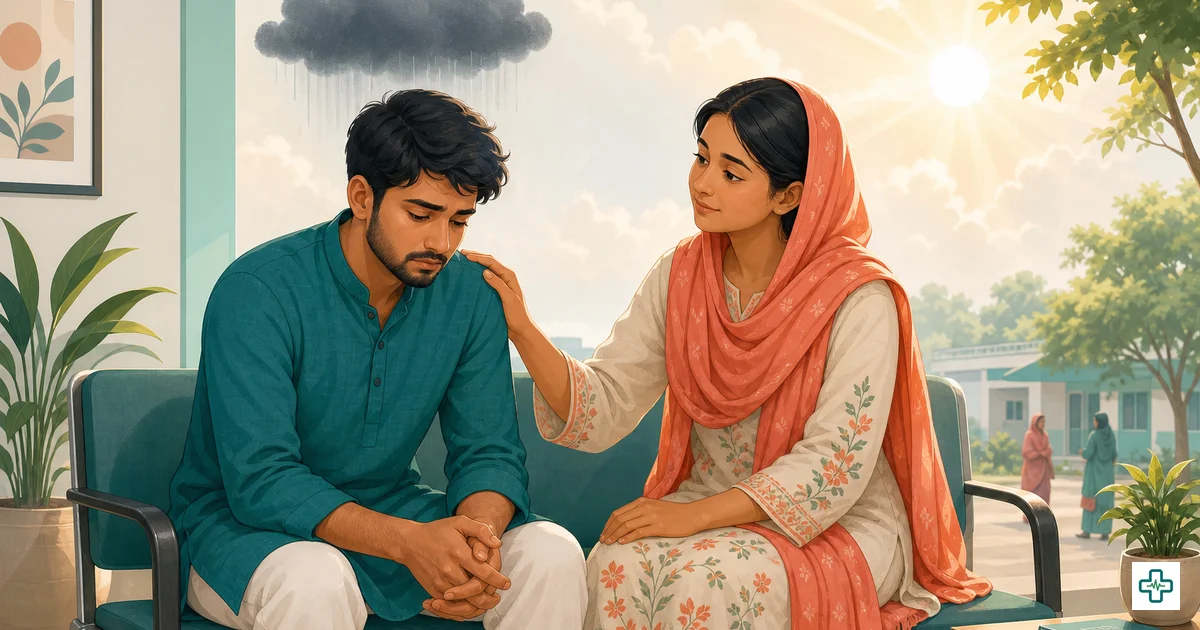
A panic attack is a sudden wave of intense fear that comes on fast, often without any obvious cause. The heart pounds, breathing becomes difficult and the body feels out of control, which is terrifying the first time it happens. Many people in Bangladesh rush to a hospital fearing a heart attack, only to be told their heart is fine. Panic attacks are common, frightening but not dangerous in themselves, and once you understand them you can learn to ride them out and reduce how often they strike.
What is a panic attack?
A panic attack is a short, intense burst of fear and physical symptoms that usually peaks within about ten minutes and then fades. It is the body's alarm system firing when there is no real danger. Attacks can happen during stress, but they can also strike out of the blue, even during sleep. They are real and distressing, not imagined, and they can affect anyone regardless of age or background.
Symptoms: why it can feel like a heart attack
The physical symptoms of a panic attack are dramatic, which is why they are so often mistaken for a heart problem. Common symptoms include:
- A pounding or racing heart and chest tightness or pain.
- Shortness of breath or a feeling of choking.
- Sweating, trembling, or hot and cold flushes.
- Dizziness, tingling in the hands, or feeling faint.
- A sense of unreality, or a fear of losing control or dying.
Because chest pain and breathlessness can also signal a true heart emergency, anyone with these symptoms for the first time, or with risk factors, should be checked by a doctor before assuming it is panic.
Calm-down techniques during an attack
When a panic attack hits, the goal is to ride the wave and remind your body that you are safe. These techniques can help:
- Slow your breathing: breathe in gently for four counts and out for six, which signals the body to relax.
- Try grounding: name five things you can see, four you can touch, three you can hear, two you can smell and one you can taste.
- Splash cool water on your face or hold something cold.
- Tell yourself: "This is a panic attack. It is uncomfortable but it will pass in a few minutes."
- Sit down, loosen tight clothing, and avoid running away, which can reinforce fear.
How to reduce future attacks
Lifestyle steps can lower how often attacks happen. Cut down on tea, coffee and energy drinks, keep a regular sleep schedule, exercise most days, and limit alcohol and tobacco. Regular relaxation, prayer or meditation helps the nervous system stay calmer. Avoiding the places where you had an attack out of fear usually makes anxiety worse over time, so gentle, gradual return is better.
When should you see a doctor?
See a doctor if panic attacks happen often, if you start avoiding work, study or going out because of fear, or if the dread of the next attack controls your life. This may be panic disorder, which responds very well to talk therapy and, when needed, medicine. Get emergency care the first time you have crushing chest pain, breathlessness or fainting, especially if you have heart risk factors, because these can be signs of a heart attack rather than panic. You can find a psychiatrist or counsellor through our list of registered doctors, and any prescribed medicine can be checked in the medicine directory.
Frequently Asked Questions
Can a panic attack actually harm me?
A panic attack feels frightening but is not physically dangerous in itself; it will not stop your heart or make you go mad. The symptoms fade on their own, usually within minutes. The main harm comes from avoiding life out of fear of future attacks, which treatment can prevent.
How do I know if it is a panic attack or a heart attack?
It can be very hard to tell, especially the first time, so a true chest emergency must always be ruled out by a doctor. In general, panic attacks peak and ease within minutes and often come with tingling and a fear of dying, while heart attack pain may be heavier, spread to the arm or jaw, and worsen with exertion. When in doubt, seek emergency care.
Do panic attacks need medicine?
Not always. Many people improve with breathing techniques, grounding and talk therapy alone. For frequent attacks or panic disorder, a doctor may prescribe medicine. Never start or stop any such medicine on your own.
Can panic attacks be cured?
Yes, most people get much better with the right help, especially cognitive behavioural therapy that teaches the brain that the symptoms are not dangerous. You can use our free prescription tool to keep your treatment notes organised, and read more in our collection of health tips.
This article is for general health education and is not a substitute for professional medical advice; please consult a qualified doctor about your symptoms.