Chamber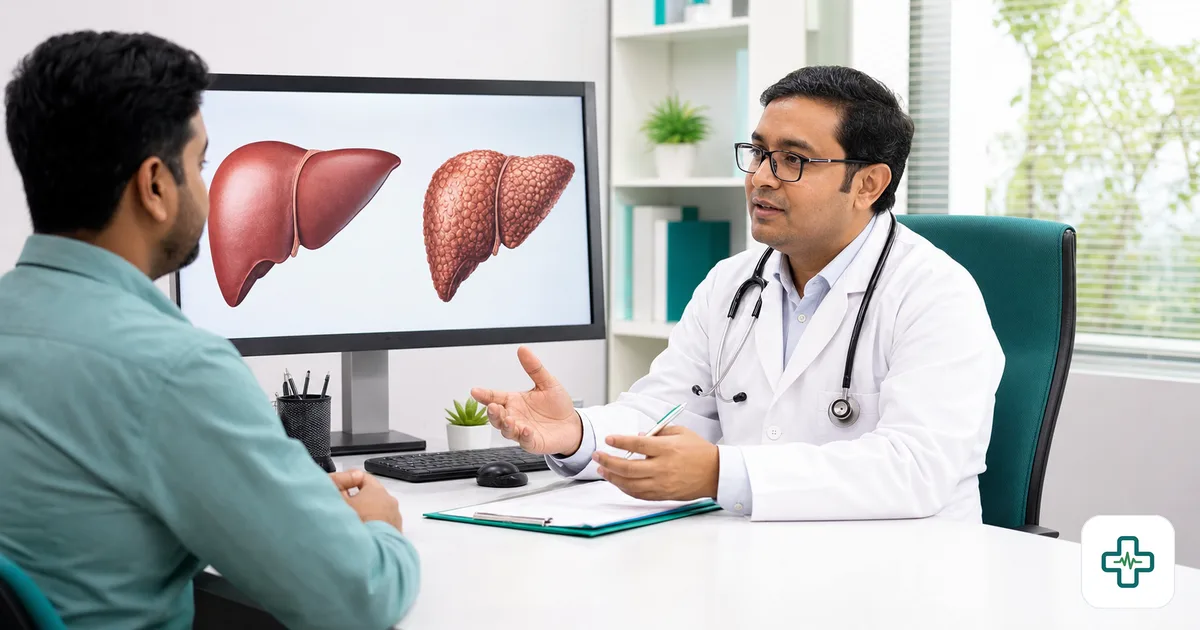
Liver Cirrhosis: Causes, Symptoms and Care
The liver is one of the hardest-working organs in the body, quietly cleaning the blood, storing energy and helping digestion. Cirrhosis is a condition in which long-term injury replaces healthy liver tissue with scar tissue, so the organ slowly loses its ability to work. In Bangladesh the most common causes are viral hepatitis B and C, fatty liver linked to obesity and diabetes, and long-term alcohol use. The earlier cirrhosis is found, the more can be done to slow it and prevent dangerous complications. Many of its causes are also preventable.
What is liver cirrhosis?
Cirrhosis develops when the liver is damaged again and again over many years. As it tries to repair itself, scar tissue forms and hardens, squeezing the blood vessels inside and blocking normal flow. In the early stage, called compensated cirrhosis, the liver still copes and there may be few symptoms. In the later, decompensated stage, the liver can no longer keep up and serious problems appear. Recognising the cause early gives the best chance to protect remaining liver function.
What are the warning signs?
Early cirrhosis may cause only vague tiredness, but as it advances you may notice:
- Yellowing of the eyes and skin (jaundice).
- Swelling of the abdomen (ascites) or the legs and feet.
- Easy bruising or bleeding, including from the gums or nose.
- Persistent tiredness, weakness and loss of appetite.
- Itchy skin and dark urine.
- Confusion, poor concentration or disturbed sleep in advanced cases.
What causes cirrhosis?
Several long-term conditions can scar the liver. The main ones in our region are chronic hepatitis B and C, which often spread silently; fatty liver disease driven by obesity, diabetes and unhealthy diet; and regular alcohol use. Less commonly, certain inherited conditions and some long-term medicines can be responsible. Importantly, hepatitis B is preventable with a vaccine given in the national EPI schedule, and hepatitis C is now curable with medicines, so testing and early treatment matter. You can read more health tips on protecting your liver and preventing hepatitis.
How is cirrhosis managed at home?
Cirrhosis cannot be reversed, but the right care can slow it and keep you well for years. Helpful steps include:
- Stop alcohol completely and avoid unnecessary or unprescribed medicines.
- Get tested and treated for hepatitis B and C, and vaccinate household contacts against hepatitis B.
- Eat enough protein and energy, with smaller frequent meals; cut down salt if you have swelling.
- Avoid raw or undercooked shellfish and street food that can cause infection.
- Take only medicines your doctor approves; some common painkillers can harm the liver, so confirm any drug such as paracetamol dosing with your doctor.
Keep your treatment organised; the free prescription tool can help you store your medicine list for clinic visits.
When should you see a doctor?
See a doctor if you notice yellow eyes, ongoing tiredness, abdominal swelling or you have known hepatitis or fatty liver. Seek emergency care immediately for vomiting blood or black tarry stools, severe abdominal swelling with breathlessness, or new confusion, drowsiness or unusual behaviour, as these signal dangerous complications. You can find a qualified liver or medicine specialist through our list of registered doctors. This article is for general health education and is not a substitute for professional medical advice; please consult a doctor about your own condition.
Frequently Asked Questions
Can cirrhosis be cured or reversed?
Established scarring usually cannot be reversed, but treating the cause, such as curing hepatitis C or stopping alcohol, can stop it worsening and let you live well for many years.
Does cirrhosis only happen to people who drink alcohol?
No. In Bangladesh many cases come from hepatitis B, hepatitis C or fatty liver linked to obesity and diabetes. People who never drink alcohol can still develop cirrhosis.
Is a special diet needed for cirrhosis?
Often yes. Most people need enough protein and energy with small frequent meals, and those with swelling need less salt. Your doctor or a dietitian will tailor advice to your stage.
Can the hepatitis B vaccine protect my liver?
Yes. The hepatitis B vaccine, given in the national EPI schedule, prevents one of the leading causes of cirrhosis. Family members of someone with hepatitis B should also be vaccinated.