Chamber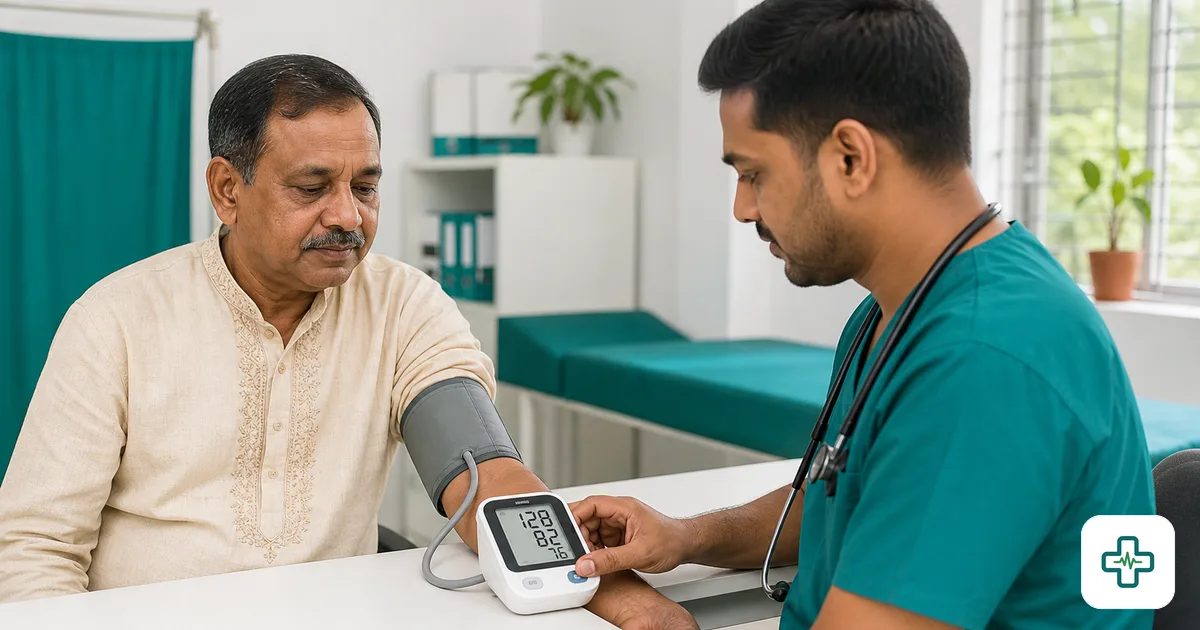
High Blood Pressure: Control, Diet and Risks
High blood pressure, or hypertension, is one of the most common health problems in Bangladesh, yet many people do not know they have it. It is often called the silent killer because it usually causes no symptoms while it quietly damages the heart, brain, kidneys and eyes over years. The encouraging truth is that high blood pressure can be controlled very effectively with simple lifestyle changes and, when needed, daily medicine, dramatically lowering the risk of stroke and heart attack. This article is general health information and is not a substitute for advice from a qualified doctor.
What is high blood pressure?
Blood pressure is the force of blood pushing against the walls of your arteries. It is written as two numbers, for example 120/80. Blood pressure is generally considered high when readings stay at or above 140/90 on repeated measurements, though your doctor decides the right target for you. Hypertension usually develops slowly with age and is more likely with a family history, excess weight, high salt intake, physical inactivity, smoking and ongoing stress. Diabetes and kidney disease also raise the risk.
Why is it called the silent killer?
Most people with high blood pressure feel completely normal, so it often goes unnoticed for years. During this time, the constant high pressure stiffens and narrows arteries and strains the heart. The first sign can be a sudden, serious event such as a stroke, heart attack, kidney damage or vision loss. This is exactly why regular blood pressure checks matter, even when you feel well, and why you should not wait for symptoms before getting tested.
What are the warning signs?
Hypertension is usually silent, but very high pressure or complications can cause:
- Headache, especially at the back of the head, often in the morning.
- Dizziness or a feeling of unsteadiness.
- Blurred vision.
- Chest discomfort or shortness of breath.
- Nosebleeds in some cases.
Because these signs are unreliable, the only way to know your blood pressure is to measure it.
Lifestyle and diet: cutting salt and protecting your heart
Lifestyle changes are powerful and benefit everyone, with or without medicine.
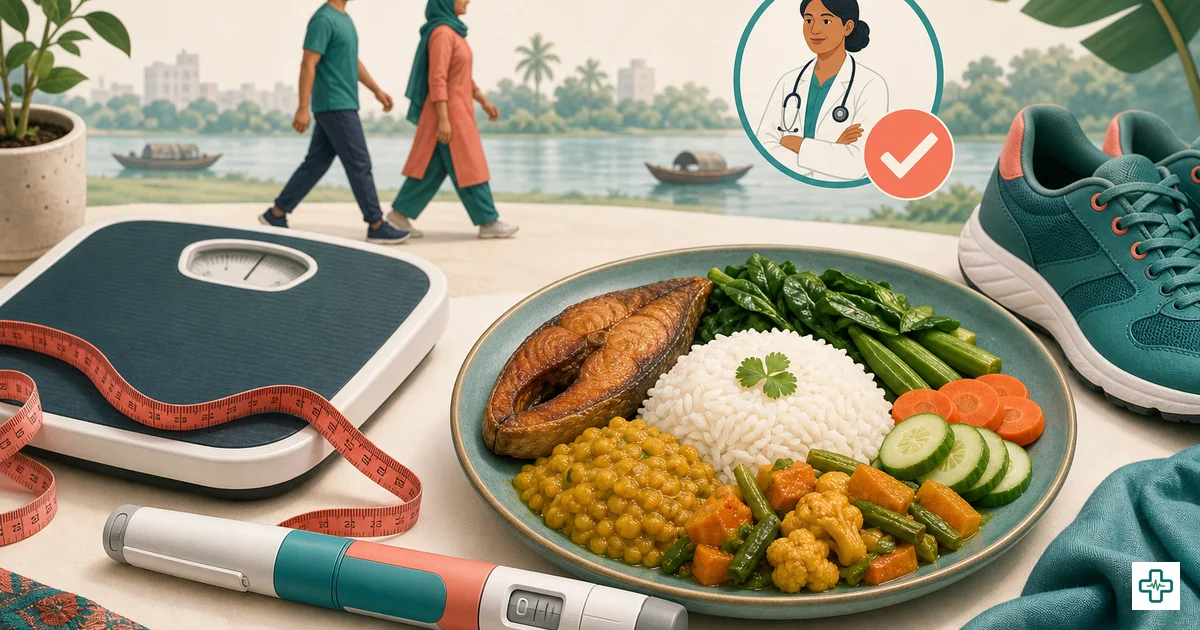
- Reduce salt: avoid extra table salt, salty pickles, papad, chanachur and processed or packaged foods.
- Eat more vegetables, fruit, fish and whole grains, and cut back on fried and fatty foods.
- Be active: aim for about 30 minutes of brisk walking on most days.
- Lose excess weight and keep your waistline in check.
- Stop smoking and avoid extra stress; practise relaxation, prayer or deep breathing.
- Limit tea, coffee and energy drinks if they push your readings up.
Why daily medicine matters
When lifestyle changes are not enough, your doctor may prescribe blood pressure medicine, which must usually be taken every day, long term. A very common and dangerous mistake is stopping the medicine once the reading becomes normal; the reading is normal because the medicine is working, and stopping lets the pressure rise again silently. Take your medicine at the same time daily, do not change the dose on your own, and keep a written list with our free prescription tool. You can also read about your prescribed tablets in the medicine directory rather than relying on hearsay.
When should you see a doctor?
See a doctor to confirm a high reading, to start or review treatment, and for regular follow-up even when you feel fine. Seek emergency care immediately if you have a very high reading with severe headache, chest pain, breathlessness, weakness or numbness on one side, slurred speech, sudden vision loss or confusion; these can signal a stroke or heart problem, where every minute counts. A physician or cardiologist can tailor your treatment; you can see a relevant specialist through our directory and browse more health tips on heart health.
Frequently Asked Questions
My blood pressure is normal now. Can I stop my medicine?
No. In most people the reading is normal precisely because the medicine is controlling it. Stopping usually lets the pressure climb again silently, raising the risk of stroke and heart attack. Only your doctor can decide whether a dose can be adjusted, based on repeated readings.
I feel completely fine, so do I really have a problem?
Yes, you can. High blood pressure is called the silent killer because it usually causes no symptoms while still damaging your arteries and organs. Feeling well does not mean your pressure is controlled; only measuring it tells you the truth.
How much salt is safe?
Most adults should keep salt low, well under a teaspoon a day from all sources combined. The biggest gains come from avoiding added table salt and salty processed foods such as pickles, papad, chanachur and packaged snacks. Cooking with less salt and more herbs and spices helps.
Can young people get high blood pressure?
Yes. While risk rises with age, younger adults can develop hypertension too, especially with obesity, high salt intake, inactivity, family history or kidney problems. This is why occasional blood pressure checks are wise at any age.
This article is for general health education and is not a substitute for professional medical advice.