Chamber
Grief and Loss: Healthy Coping After Bereavement
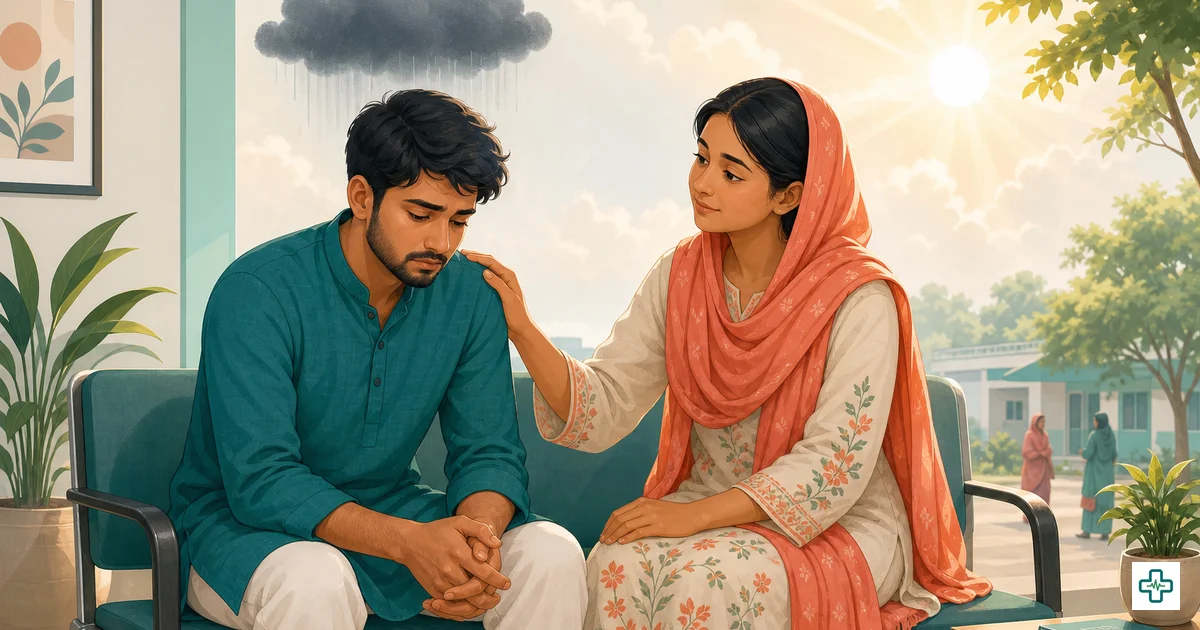
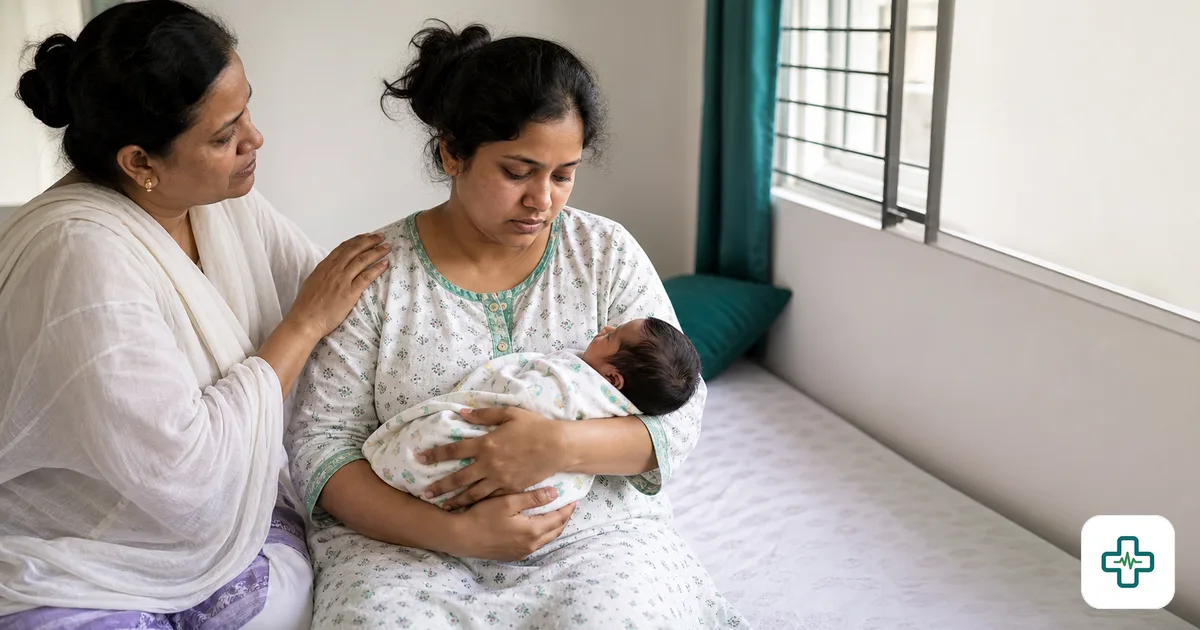
Losing someone we love is one of the hardest experiences in life. In Bangladesh, where families are close-knit and neighbours and relatives gather quickly in times of loss, grief is shared openly, yet the pain each person carries is deeply personal. Grief is not a problem to be fixed or rushed; it is the natural response to losing someone or something that mattered. Understanding what is normal can help you be gentle with yourself and know when extra support is needed. This article is general health information and does not replace advice from a qualified doctor.
What is grief?
Grief is the deep sorrow and range of reactions we feel after a loss, most often the death of a loved one, but also after losing health, a relationship or a way of life. It affects the mind, body and emotions all at once. There is no single right way to grieve and no fixed timetable. Faith, prayer and community rituals are a source of great comfort for many families in Bangladesh, and leaning on them is a healthy part of mourning, not a sign of weakness.
What does normal grief feel like?
Grief comes in waves and can change from hour to hour. Common reactions include the following.
- Sadness, crying, longing for the person and a sense of emptiness or numbness.
- Shock or disbelief, especially after a sudden loss, and sometimes guilt or anger.
- Trouble sleeping, loss of appetite, tiredness, headaches and a heavy or aching feeling in the chest.
- Difficulty concentrating, forgetfulness and loss of interest in daily tasks.
- Wanting to withdraw at times, and at other times needing people close by.
You may hear of grief described in stages such as denial, anger, bargaining, sadness and acceptance. These can be helpful to recognise, but they are not a fixed order to pass through; people move back and forth, and that is normal.
How can you cope in a healthy way?
There is no way to avoid grief, but certain things can help you carry it.
- Allow yourself to feel and express sorrow rather than forcing yourself to be strong.
- Accept support from family, friends, neighbours and your faith community.
- Keep simple routines, eat regularly and rest, even when motivation is low.
- Talk about the person, share memories, and mark important days in ways that feel meaningful.
- Be patient with yourself and avoid major life decisions while emotions are raw.
- Limit alcohol and avoid using sleeping pills or sedatives to numb the pain without medical advice.
What are the physical effects of grief?
Grief is not only emotional; it can take a real toll on the body. Stress hormones rise, sleep and appetite are disturbed, and the immune system can weaken, leaving people more prone to infections and fatigue. Some feel chest tightness, palpitations or stomach upset. People with existing heart disease, diabetes or high blood pressure should keep taking their regular medicines and stay in touch with their doctor, as intense stress can affect these conditions.
When does grief need professional help?
Most people gradually adjust to loss with time and support, even though the love and memory remain. Help should be sought when grief becomes overwhelming or stuck rather than slowly easing. Warning signs include intense grief that does not lift after many months and stops you functioning, persistent hopelessness or inability to get out of bed, heavy reliance on alcohol or drugs, complete withdrawal from everyone, or being unable to care for yourself or your family. Seek help urgently if you have thoughts of self-harm or of not wanting to live. You can see a relevant specialist such as a psychologist or psychiatrist, and read more health tips on sleep and stress. If a doctor recommends treatment, keeping the plan clear with a free prescription tool can help you follow it correctly, and you can check any prescribed medicine in the medicine directory.
Frequently Asked Questions
How long does grief last?
There is no fixed timetable. The sharpest pain often eases over weeks and months, but waves of sorrow can return on anniversaries and special days for a long time, and that is normal. What matters is a gradual sense of adjustment; grief that stays just as intense and disabling after many months may need support.
Is it normal to feel angry or guilty after a loss?
Yes. Anger, guilt, regret and even relief are common parts of grief and do not mean you loved the person any less. Talking about these feelings with someone you trust, or a counsellor, can ease the weight rather than carrying them alone.
Should children be included in mourning?
Children also grieve and benefit from honest, age-appropriate explanations and reassurance. Including them in family rituals, answering their questions simply and allowing them to express feelings helps them cope, while sudden secrecy can be more confusing and frightening.
Is it weak to take medicine or counselling for grief?
No. Seeking counselling is a healthy step, not a weakness. Medicine is not usually needed for normal grief, but if grief leads to severe depression, anxiety or long-term sleeplessness, a doctor may recommend treatment, which should be taken under medical guidance.
This article is for general health education and is not a substitute for professional medical advice.