Chamber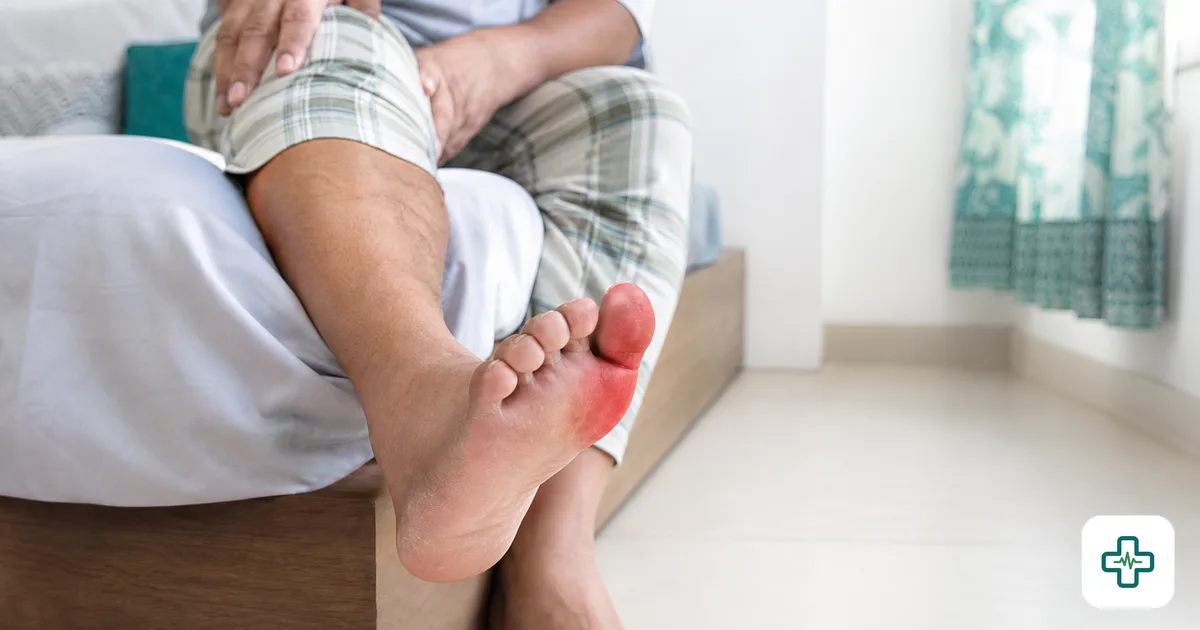
Gout and High Uric Acid: Symptoms and Diet
Gout is one of the most painful forms of arthritis, and it is becoming more common in Bangladesh as diets change and waistlines grow. It strikes suddenly, often at night, with a hot, swollen, agonising joint, classically the base of the big toe. The cause is high uric acid in the blood, which forms sharp crystals inside a joint. The good news is that gout is very controllable with the right diet, hydration and, when needed, long-term medicine. This article is general health information and does not replace advice from a qualified doctor.
What is gout and high uric acid?
Uric acid is a waste product made when the body breaks down substances called purines, found in many foods and in our own cells. Normally the kidneys flush it out, but when too much builds up, it can form needle-like crystals in a joint, triggering intense inflammation. A person can have a high uric acid level for years without symptoms; gout is the painful attack that happens when crystals form. It is far more common in men and in adults past middle age.
What are the symptoms and warning signs?
- Sudden, severe pain in one joint, very often the big toe, frequently starting at night.
- The joint becomes red, hot, swollen and so tender that even a bedsheet hurts.
- Attacks may also hit the ankle, knee, wrist or fingers.
- The first attack often settles in a few days, but untreated gout tends to return.
- Over years, hard lumps of crystals, called tophi, can form under the skin.
What triggers an attack?
Attacks are often set off by a sudden rise or swing in uric acid. Common triggers in Bangladesh include feasts heavy in red meat or organ meat, alcohol, sugary drinks, dehydration in the summer heat, crash dieting and certain medicines such as some water pills. Being overweight, having high blood pressure, diabetes or kidney problems, and a family history all raise the baseline risk.
Which foods and habits help control uric acid?
Diet will not cure gout on its own, but it can reduce how often attacks strike.
- Limit high-purine foods: red meat, organ meats like liver and brain, and certain seafood such as small dried fish, shrimp and shellfish.
- Avoid alcohol and cut down on sugary drinks and packaged fruit juices.
- Drink plenty of water through the day to help the kidneys flush uric acid.
- Favour vegetables, whole grains, low-fat dairy and plenty of fluids.
- Lose excess weight slowly and steadily, as crash diets can trigger attacks.
How is gout treated?
During an acute attack, doctors use anti-inflammatory medicines to calm the pain and swelling; rest and a cool compress on the joint help too. For people with frequent attacks, high levels or tophi, a separate daily medicine is used long term to lower uric acid and dissolve crystals over months. This preventer must be taken steadily, not just when it hurts, and never started or stopped on your own. You can read about prescribed drugs in our medicine directory, look up a common pain reliever like paracetamol, and keep dosing instructions clear with our free prescription tool.
When should you see a doctor?
See a doctor if you have a sudden, very painful, swollen joint for the first time, if attacks keep coming back, or if you have been told your uric acid is high, so the right long-term plan can be made. Seek urgent care if a hot, swollen joint comes with fever and chills, as a joint infection can look like gout and needs immediate treatment. You can see a relevant specialist such as a medicine specialist or rheumatologist, and find more health tips on joint pain and healthy eating.
Frequently Asked Questions
Does high uric acid always mean I have gout?
No. Many people have a raised uric acid level for years without any symptoms and never need medicine for it. Gout is the painful attack that happens only when crystals actually form in a joint, so treatment is usually guided by attacks, not the number alone.
Which foods are worst for gout in Bangladesh?
Red meat, organ meats such as liver and brain, certain seafood like small dried fish, shrimp and shellfish, alcohol and sugary drinks are the main culprits. Eating these in large amounts, especially at feasts, can quickly trigger a painful attack.
Can drinking more water help?
Yes. Staying well hydrated helps the kidneys flush out uric acid and lowers the chance of crystals forming, which is especially important in the summer heat when dehydration is common. Water will not replace medicine for severe gout, but it is a simple, helpful habit.
Do I need to take uric-acid medicine forever?
If you have frequent attacks, very high levels or tophi, the daily uric-acid-lowering medicine usually needs to be taken long term and steadily, even when you feel fine. Stopping it when the pain settles often brings the attacks back, so any change should be decided with your doctor.
This article is for general health education and is not a substitute for professional medical advice.