Chamber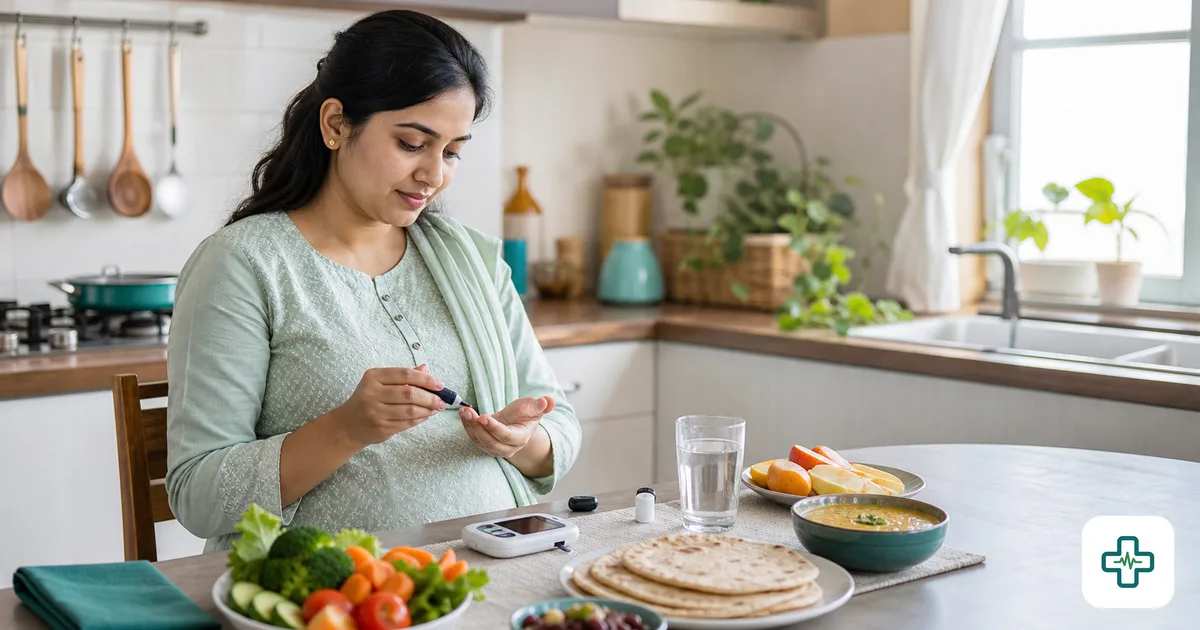
Gestational Diabetes: Pregnancy Sugar Control
Gestational diabetes is diabetes that appears for the first time during pregnancy, when the body cannot keep blood sugar normal against the hormones of pregnancy. It is increasingly common in Bangladesh and often causes no obvious symptoms, which is why screening is so important. The reassuring news is that with the right diet, monitoring and sometimes medicine, most women have a healthy pregnancy and a healthy baby. Understanding the condition helps you work with your doctor instead of worrying. This article is general health information and does not replace advice from a qualified doctor.
What is gestational diabetes?
During pregnancy, the placenta makes hormones that resist insulin so more sugar is available for the growing baby. If the mother's body cannot make enough extra insulin to keep up, blood sugar rises and gestational diabetes develops, usually in the second half of pregnancy. It is different from diabetes that existed before pregnancy, and in most women blood sugar returns to normal after the baby is born, though it raises the future risk of type 2 diabetes.
Who is at higher risk, and how is it found?
Because it rarely causes clear symptoms, doctors screen for it with a blood sugar test, often a glucose challenge between about 24 and 28 weeks. You may be at higher risk if you:
- Are overweight or gained weight quickly before pregnancy.
- Have a family history of diabetes, or had gestational diabetes in a previous pregnancy.
- Previously gave birth to a large baby or had an unexplained stillbirth.
- Are older, or have a condition such as polycystic ovary syndrome (PCOS).
- Have sugar in the urine on a routine antenatal check.
Why does it matter for mother and baby?
Well-controlled blood sugar usually means a normal outcome, but uncontrolled sugar carries real risks. The baby can grow too large, making delivery harder and raising the chance of a caesarean and birth injury, and the newborn may have low blood sugar after birth. For the mother, there is a higher chance of high blood pressure and pre-eclampsia in pregnancy. These risks are why control is taken seriously, and they fall substantially when blood sugar is kept in the target range.
How do you control blood sugar in pregnancy?
For most women, diet and activity are the foundation, and many never need medicine.
- Eat smaller, regular meals; choose brown rice, whole-wheat ruti, dal, vegetables and protein over white rice, sugary drinks and sweets.
- Spread carbohydrates through the day rather than eating a large amount at once, and do not skip meals.
- Stay gently active, such as a short walk after meals, unless your doctor has advised rest.
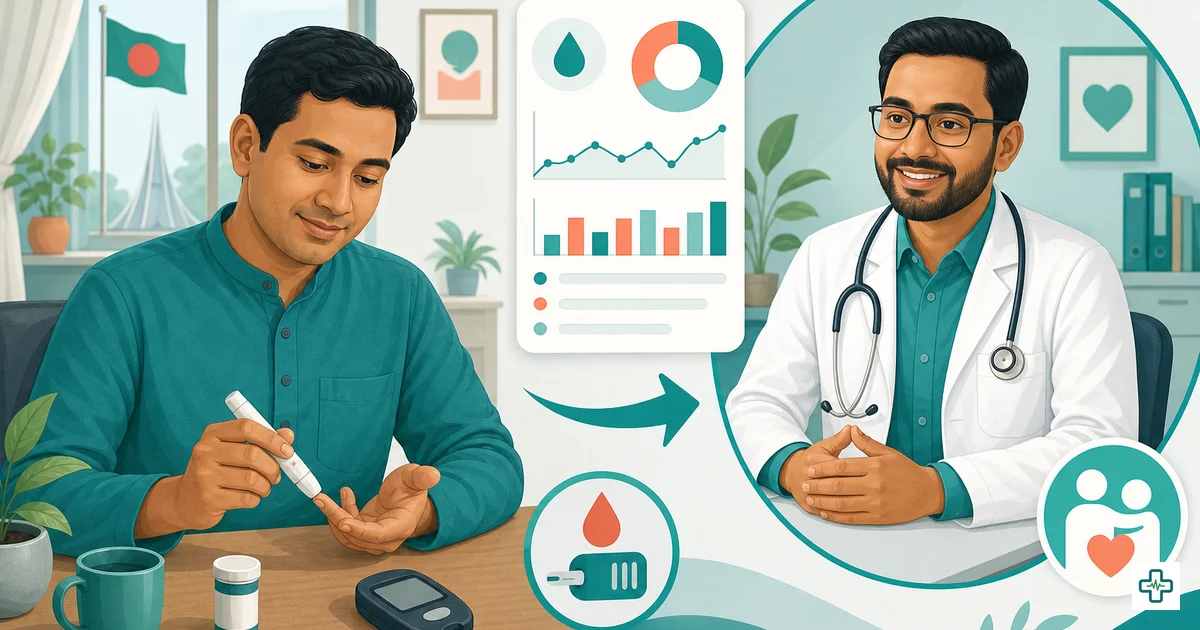
- Monitor your blood sugar at home as instructed and keep a record to show at each visit.
- Attend all antenatal visits so growth and blood pressure are checked closely.
If diet is not enough, doctors may add insulin or, in some cases, an oral medicine such as metformin; you can read about these in our medicine directory, but the type and dose must be set by your doctor and never started on your own in pregnancy.
When should you see a doctor?
If you are pregnant, ask about diabetes screening even if you feel well, especially if you have any risk factors. See your doctor promptly if your home blood sugar readings are repeatedly high or very low, if you notice reduced baby movements, severe headache, blurred vision or swelling, or symptoms like excessive thirst and frequent urination. After delivery, get your blood sugar rechecked, as advised, since you remain at higher risk of type 2 diabetes for years. You can see a relevant specialist such as an obstetrician or endocrinologist, use our free prescription tool to keep your plan clear, and read more health tips on diabetes and pregnancy.
Frequently Asked Questions
Will gestational diabetes go away after I deliver?
In most women blood sugar returns to normal soon after the baby is born. However, having had gestational diabetes raises your lifetime risk of type 2 diabetes, so you should have your sugar rechecked after delivery and stay careful with diet, weight and activity in the years that follow.
Can I have a normal delivery with gestational diabetes?
Yes, many women with well-controlled blood sugar have a normal vaginal delivery. Whether a caesarean is needed depends on the baby's size and other factors, which your obstetrician will assess. Good sugar control improves the chance of a smoother delivery.
Is it safe to take metformin or insulin in pregnancy?
When diet is not enough, doctors do use insulin and, in some cases, metformin to keep blood sugar safe, and controlling sugar protects both mother and baby. The choice and dose must be decided by your doctor, so never start, stop or change these medicines on your own during pregnancy.
Do I have to stop eating rice completely?
No, you do not have to give up rice entirely, but the amount and type matter. Smaller portions, choosing brown rice or whole-wheat ruti, pairing carbohydrates with dal, vegetables and protein, and spreading meals through the day all help keep blood sugar steady. A doctor or dietitian can tailor a plan for you.
This article is for general health education and is not a substitute for professional medical advice.