Chamber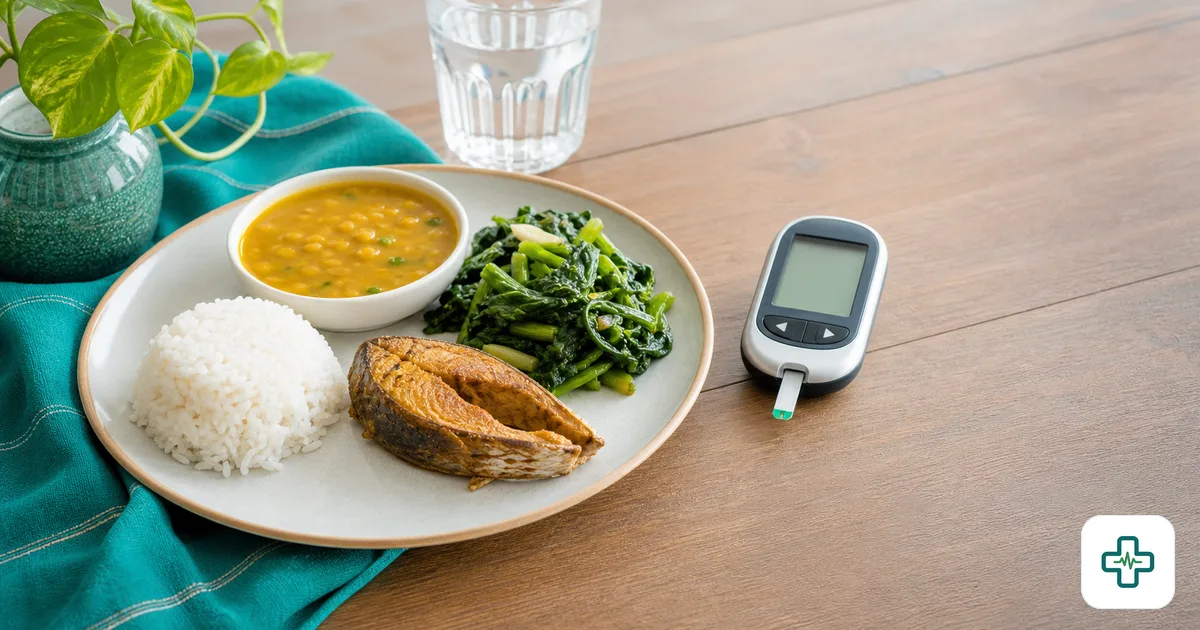
Diabetes Control: Diet, Blood Sugar and Daily Tips
Diabetes is now extremely common in Bangladesh, affecting people in cities and villages alike. The good news is that type 2 diabetes can usually be controlled very well with everyday habits, so that people live full, active lives and avoid complications. Control does not mean giving up the foods you love; it means eating wisely, moving daily and checking your numbers. Understanding your diet, your blood sugar targets and your medicine puts you in charge of the condition rather than the other way round. This article is general health information and is not a substitute for advice from a qualified doctor.
What is type 2 diabetes?
Type 2 diabetes develops when the body cannot use insulin properly or does not make enough of it, so glucose builds up in the blood. Over time, high blood sugar can quietly damage the eyes, kidneys, nerves, heart and feet. Risk rises with a family history of diabetes, being overweight, a large waistline, physical inactivity and increasing age. Because early diabetes often causes no symptoms, many people in Bangladesh are diagnosed late, which makes regular screening important.
What are the symptoms and warning signs?
Symptoms can be mild or absent at first, but watch for:
- Passing urine often, especially at night, and feeling very thirsty.
- Increased hunger with unexplained weight loss.
- Tiredness and weakness.
- Blurred vision.
- Slow-healing cuts and frequent skin or urinary infections.
- Tingling or numbness in the hands or feet.
Eating well: rice, portions and the Bangladeshi plate
Diet is the foundation of diabetes control, and small, realistic changes work best.
- Reduce the rice portion and fill half your plate with vegetables and a good source of protein such as fish, egg, lentils or chicken.
- Choose whole grains like red rice, atta roti and oats over white rice and white flour where possible.
- Cut back on sugar, sweets, sweet drinks, packaged juice and sugary tea.
- Eat more non-starchy vegetables and a controlled amount of whole fruit; avoid fruit juices.
- Limit fried foods, dalda and excess oil to protect your heart as well.
- Eat at regular times and avoid skipping meals, which can swing your blood sugar.
Exercise, weight and daily habits
Physical activity helps your body use insulin and lowers blood sugar.
- Aim for about 30 minutes of brisk walking on most days; even walking after meals helps.
- Losing a modest amount of weight can improve blood sugar significantly.
- Do not smoke, and keep alcohol out, as both worsen complications.
- Sleep well and manage stress, since both affect blood sugar.
Blood sugar targets, monitoring and medicine
Knowing your numbers helps you and your doctor adjust treatment. Your doctor will set personal targets, but common goals are a fasting blood sugar around 4 to 7 mmol/L and an HbA1c (a three-month average) usually below 7 percent for many adults. Test as advised, and keep a simple record to show at your visits. Metformin is often the first tablet prescribed, and you can read about this common medicine in our medicine directory. Never change or stop your diabetes medicine on your own, and keep a written list using our free prescription tool so every prescriber knows what you take.
Foot care and preventing complications
Daily foot care prevents serious problems, because nerve damage can hide injuries.
- Check your feet every day for cuts, blisters, redness or cracks.
- Wash and dry your feet well, especially between the toes, and avoid walking barefoot.
- Wear well-fitting, comfortable footwear and keep toenails trimmed straight.
- Have your eyes, kidneys and feet checked regularly as your doctor advises.
When should you see a doctor?
See a doctor regularly for routine follow-up, and sooner if your readings stay high or swing widely, or if you feel persistently unwell. Seek urgent care if you have very high blood sugar with vomiting, drowsiness, fast breathing or confusion, or if low blood sugar causes sweating, shakiness, confusion or fainting; a fast-acting sugar source helps a mild low, but repeated lows need review. A non-healing foot wound, sudden vision changes or chest pain also need prompt attention. An endocrinologist or physician can fine-tune your plan; you can see a relevant specialist and explore more health tips on healthy living.
Frequently Asked Questions
Do I have to stop eating rice completely?
No. You do not have to give up rice, but you should control the portion. Take a smaller serving, balance it with plenty of vegetables and protein, and choose red or parboiled rice when you can. Spreading carbohydrate across the day rather than one large plate helps keep blood sugar steadier.
If my sugar is normal, can I stop my medicine?
Not on your own. Normal readings often mean your diet, exercise and medicine are working together. Stopping suddenly can let blood sugar rise again. Only your doctor can decide whether a dose can be reduced based on your overall results.
Are sugar-free sweets and diabetic foods safe to eat freely?
Not freely. Many sugar-free or diabetic-labelled foods still contain carbohydrate, fat and calories that raise blood sugar or weight. Treat them as occasional items, read labels, and focus on whole, home-cooked food.
Can type 2 diabetes be cured?
It usually cannot be cured, but it can be controlled very well, and in some people who lose significant weight early, blood sugar can return to near-normal. The aim is steady, lifelong control to prevent complications, guided by your doctor.
This article is for general health education and is not a substitute for professional medical advice.