Chamber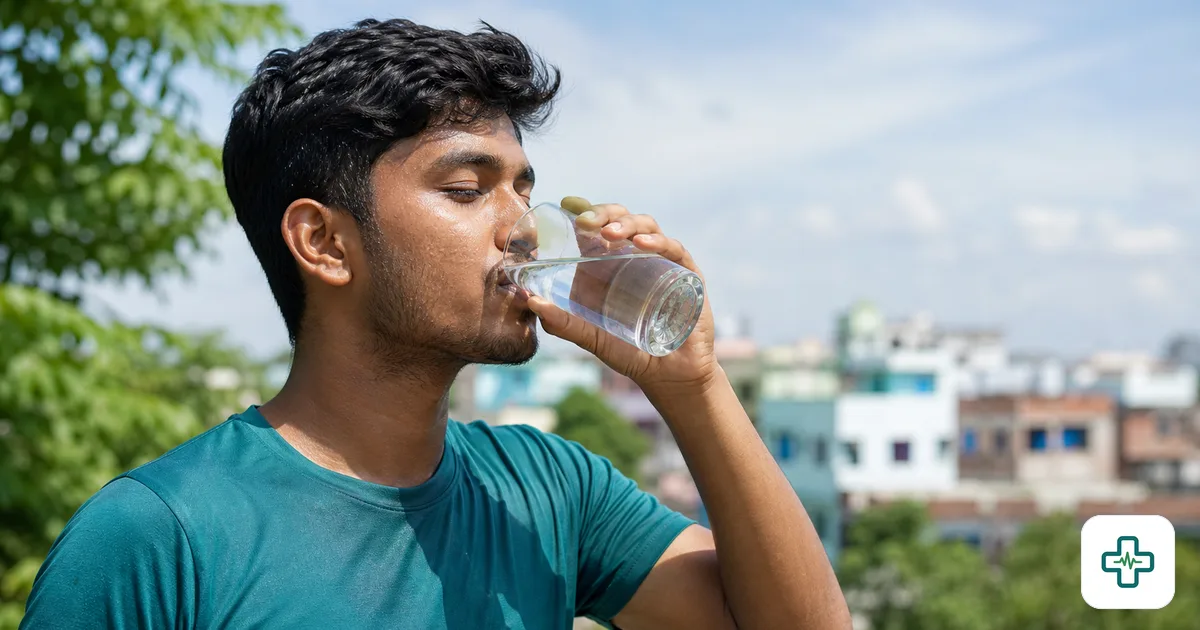
Hydration: How Much Water You Really Need Daily
Water is essential for almost every function in the body, from controlling temperature to carrying nutrients and flushing out waste. In Bangladesh's hot and humid climate, people lose a lot of fluid through sweat, especially in summer and during physical work. Yet many of us only drink when we feel very thirsty, by which time the body is already short of water. Knowing how much you really need, and how to spot dehydration early, helps you stay energetic and protects your kidneys and heart.
How much water do you really need each day?
A common guide is about 8 glasses, or roughly 2 to 2.5 litres of fluid a day for a healthy adult, but the real amount depends on your body size, activity and the weather. In hot Bangladeshi summers or during heavy labour, you may need more. Remember that fluid also comes from food such as fruit, vegetables, dal and soup, so you do not have to drink it all as plain water. A simple sign that you are drinking enough is pale, light-yellow urine.
What are the warning signs of dehydration?
Dehydration happens when you lose more fluid than you take in. Watch for these signs:
- Dry mouth, thirst and dark yellow urine.
- Passing only small amounts of urine, or going many hours without urinating.
- Tiredness, headache and difficulty concentrating.
- Dizziness, especially when standing up.
- In children: fewer wet nappies, sunken eyes, crying without tears and unusual drowsiness.
Is water better than sugary or soft drinks?
Plain safe water is the best everyday choice. Sugary drinks, packaged juices, energy drinks and soft drinks add a lot of sugar and calories without truly satisfying thirst, and over time they raise the risk of weight gain and diabetes. During illness with diarrhoea or vomiting, the right drink is oral rehydration saline (ORS), not soft drinks, because ORS replaces both water and the salts the body loses. For everyday hydration, water, lemon water without too much sugar, and fresh fruit are far better than bottled sweet drinks.
How can you stay hydrated through the day?
Building small habits makes it easy to drink enough:
- Keep a bottle of safe water with you at work and while travelling.
- Drink a glass of water with each meal and after waking up.
- Drink before, during and after exercise or hard physical work.
- Eat water-rich foods like cucumber, watermelon, orange and tomato.
- Make sure your drinking water is boiled, filtered or otherwise safe to avoid waterborne illness.
Who needs to limit fluids?
While most people benefit from drinking enough, some need to be careful. People with advanced heart failure, certain kidney diseases on dialysis, or some liver conditions may be told by their doctor to limit fluids to avoid dangerous swelling. If you have such a condition, follow your doctor's specific advice rather than general rules. You can review your prescribed medicines in our medicine directory if you are unsure how they affect fluid balance.
When should you see a doctor?
See a doctor if you feel constantly thirsty and pass large amounts of urine, as this can be a sign of diabetes, or if you cannot keep fluids down because of repeated vomiting. Seek urgent care if you or your child show severe dehydration: very little or no urine, sunken eyes, extreme weakness, confusion, fast breathing or fainting. These need prompt treatment, sometimes with intravenous fluids. You can see a relevant specialist through our list of registered doctors, organise treatment notes with our free prescription tool, and read more health tips on summer and kidney care.
Frequently Asked Questions
Can you drink too much water?
Yes, though it is uncommon in healthy people. Drinking very large amounts in a short time can dilute the body's sodium and cause a dangerous condition called hyponatraemia. This is mainly a risk during extreme endurance activity or in people with certain heart, kidney or liver problems, so let thirst and your urine colour guide you.
Does tea or coffee count toward my daily fluids?
Yes, tea and coffee do add to your fluid intake, and the mild diuretic effect of caffeine is small. However, plain water is still better because tea and coffee often come with added sugar, so do not rely on them alone.
Is it true I should drink 8 glasses no matter what?
The 8-glass idea is a helpful reminder, not a strict rule. Your real need changes with heat, sweating, illness and body size. Use pale urine and absence of thirst as better signs that you are well hydrated.
What is the best drink during diarrhoea?
Oral rehydration saline (ORS), made correctly with clean water, is the best choice during diarrhoea because it replaces lost water and salts. Continue normal feeding and seek medical care if there are danger signs such as no urine, sunken eyes or extreme weakness.
This article is for general health education and is not a substitute for professional medical advice; please consult a doctor about your own condition.