Chamber
Burnout: Symptoms, Recovery and Work Stress
Long hours, constant deadlines and the pressure to always be available are part of working life for many people in Bangladesh, from garment supervisors and bankers to teachers, doctors and parents juggling two jobs. When this pressure never lets up, the body and mind can reach a point of deep exhaustion called burnout. Burnout is not laziness or weakness; it is the result of chronic, unmanaged stress, and recognising it early makes recovery far easier. This article is general health information and does not replace advice from a qualified doctor.
What is burnout?
Burnout is a state of physical, emotional and mental exhaustion caused by prolonged stress, usually linked to work but also to caregiving or study. It builds up slowly over weeks and months rather than appearing overnight. Experts describe three core features: deep energy depletion, growing mental distance or cynicism about your work, and a drop in how well you perform. Unlike a bad week that improves after rest, burnout lingers even when you take a break, because the underlying pressure has not changed.
What are the warning signs?
- Feeling drained and tired even after sleeping, with little energy for anything.
- Becoming cynical, irritable or detached, and dreading work you once cared about.
- Trouble concentrating, forgetfulness and falling productivity.
- Headaches, body aches, stomach upset, gastric problems or frequent minor illness.
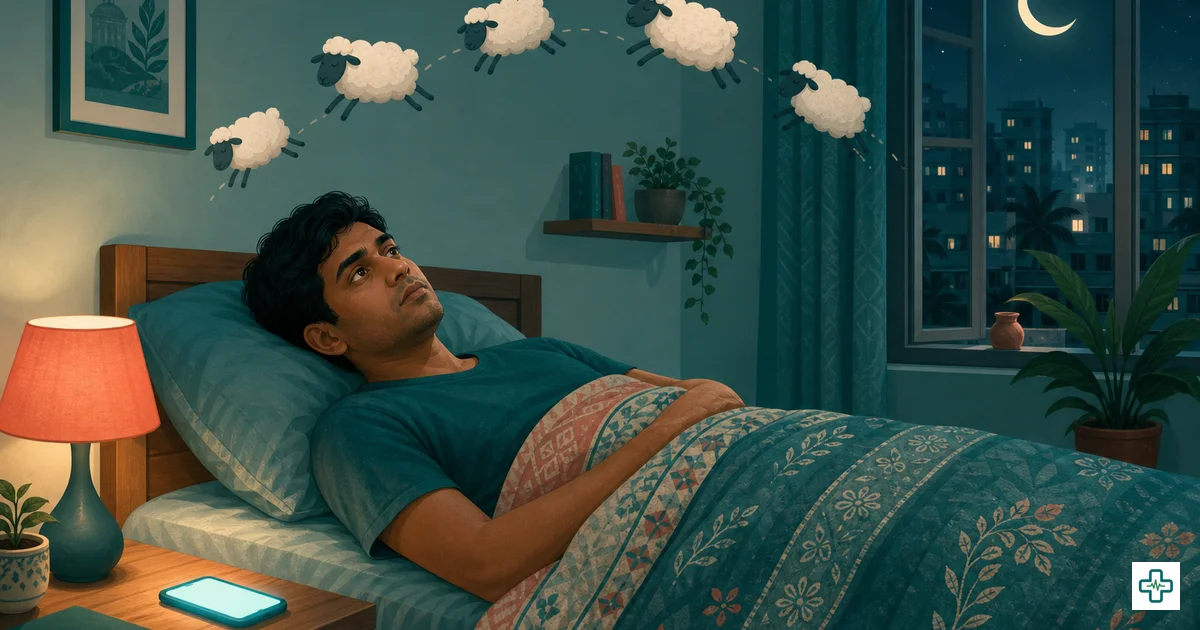
- Poor sleep, changes in appetite, and turning to extra tea, cigarettes or junk food to cope.
- Pulling away from family and friends and losing interest in things you used to enjoy.
What causes burnout?
Burnout grows when demands consistently outstrip the resources and rest a person has. Common drivers include an unmanageable workload, very long hours with no clear end to the day, lack of control over how you work, unfair treatment, weak support from managers, and blurred lines between job and home, especially when a phone keeps work alive at night. Financial pressure, family responsibilities and long commutes in heavy city traffic add to the load. People who are highly committed and find it hard to say no are often the most at risk.
How can you recover from burnout?
Recovery is possible, but it usually needs real changes rather than a single weekend off.
- Set boundaries: protect specific hours that are free of work messages and calls.
- Prioritise sleep and aim for a regular bedtime, as rest rebuilds the system.
- Move your body daily, even a short walk, and eat regular balanced meals.
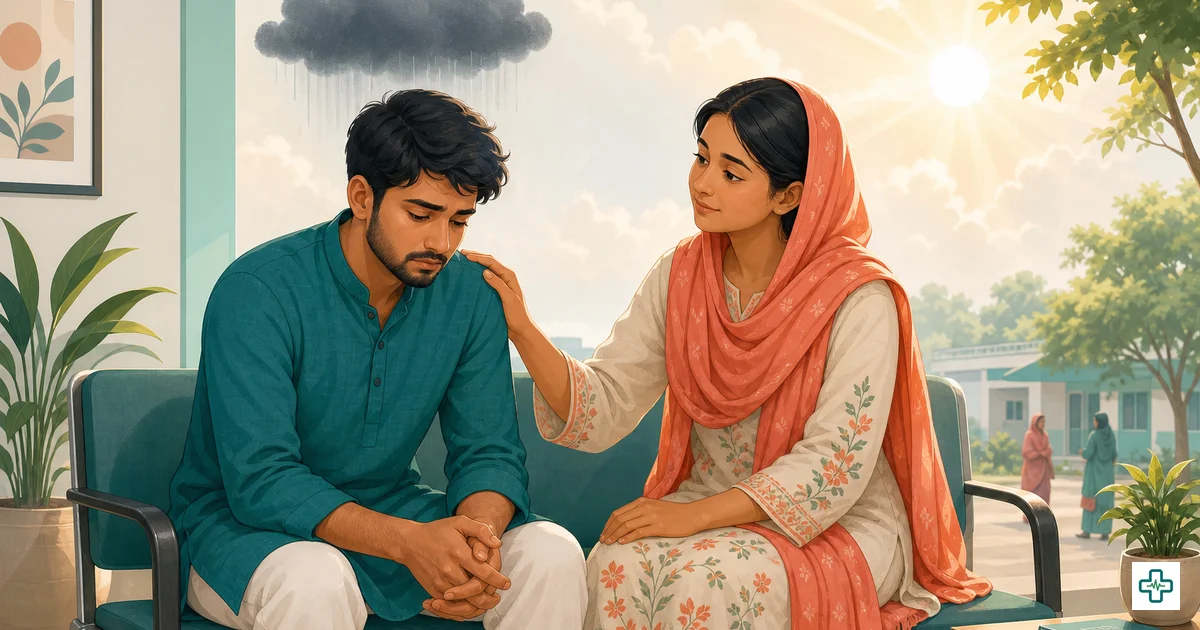
- Reconnect with people you trust and talk honestly about how you feel.
- Take short breaks during the day and use your leave instead of saving it indefinitely.
- Where possible, discuss workload or deadlines with your manager rather than silently absorbing more.
How is burnout different from depression?
Burnout and depression overlap and can feed each other, but they are not the same. Burnout is tied closely to a situation, often work, and tends to ease when that pressure lifts and you rest properly. Depression is broader: low mood, loss of pleasure and hopelessness spread across all areas of life, not just the job, and may persist even on holiday. Untreated burnout can, however, slide into depression or anxiety, which is why ongoing symptoms should not be ignored.
When should you see a doctor?
See a doctor or mental-health professional if exhaustion, low mood or hopelessness last more than two weeks, if you cannot function at work or home, if you rely on alcohol or sleeping pills to cope, or if physical symptoms like chest tightness and constant headaches persist. Seek help urgently if you have thoughts of self-harm or of not wanting to live. You can see a relevant specialist such as a psychiatrist or psychologist, and read more health tips on stress and sleep. If a doctor prescribes treatment, keeping instructions clear with a free prescription tool can help you follow it correctly.
Frequently Asked Questions
Is burnout a real medical condition?
Burnout is recognised by health bodies as a syndrome resulting from chronic workplace stress that has not been successfully managed. It is not a personal failing or simple tiredness, and it deserves to be taken seriously and addressed, especially when it affects your health and daily functioning.
Can a holiday cure burnout?
A break helps you rest and often brings short-term relief, but burnout usually returns if the underlying pressures stay the same. Lasting recovery needs changes to workload, boundaries and habits, not only time off, so use a holiday to recover and plan, not as the only solution.
How long does it take to recover from burnout?
Recovery varies from person to person and depends on how long the stress lasted and what changes are possible. Many people feel meaningfully better over several weeks to a few months once they rest, set boundaries and get support, while deeper burnout may take longer and benefit from professional help.
Do I need medicine for burnout?
Burnout itself is usually managed with rest, lifestyle change and support rather than medicine. However, if it has led to depression, anxiety or persistent insomnia, a doctor may recommend treatment, which should always be taken under medical guidance rather than self-prescribed.
This article is for general health education and is not a substitute for professional medical advice.