Chamber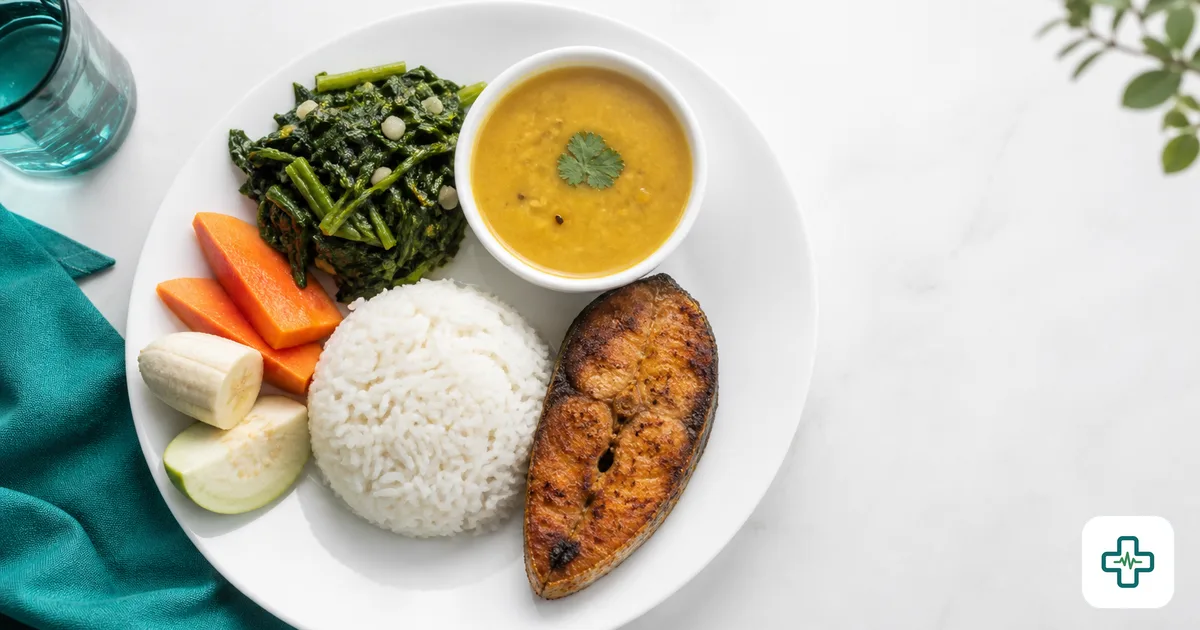
Balanced Diet: A Healthy Bangladeshi Plate Guide
Good health begins on the plate, and the good news is that a healthy diet in Bangladesh does not need expensive or foreign foods. Our everyday rice, dal, fish, eggs, seasonal vegetables and fruit can together provide almost everything the body needs when they are balanced well. The most common problem is not a lack of food but an unbalanced plate, often far too much rice and too little of everything else. Learning to build a balanced plate can improve energy, weight and long-term health. This article is general health information and does not replace advice from a qualified doctor.
What is a balanced diet?
A balanced diet provides the right mix of nutrients in sensible amounts: carbohydrates for energy, protein to build and repair the body, healthy fats, and plenty of vitamins, minerals and fibre from vegetables and fruit. No single food gives everything, which is why variety matters. The aim is not perfection at every meal but a sensible overall pattern across the day, using foods you can afford and enjoy.
How do you build a healthy Bangladeshi plate?
A simple way to picture it is to divide your plate into portions rather than piling it high with rice.
- Fill about half the plate with vegetables and a little fruit, such as shak, lau, begun, data and seasonal produce.
- Make about a quarter protein: fish, egg, chicken, or dal and pulses.
- Keep about a quarter for rice or ruti, choosing a smaller portion than usual.
- Add a small amount of healthy fat, such as a little mustard oil, and include milk or a dairy item where possible.
- Drink water rather than sugary drinks with your meal.
Why is too much white rice a problem?
Rice is a beloved staple and a fine source of energy, but very large portions of white rice with little else can crowd out protein, vegetables and fibre, and contribute to weight gain and rising blood sugar over time. The fix is not to abandon rice but to take a moderate portion, mix in vegetables and protein, and where you can, include some red or brown rice and whole grains, which release energy more slowly.
What simple swaps improve nutrition?
Small, affordable changes add up to a much healthier diet.
- Cut the rice portion a little and add an extra serving of vegetables or dal.
- Grill, bake or lightly curry fish and chicken instead of deep-frying.
- Choose fresh seasonal fruit instead of sweets, soft drinks or packaged juice.
- Use less oil, sugar and salt in cooking, and avoid adding extra salt at the table.
- Snack on chana, nuts, fruit or puffed rice rather than fried or packaged snacks.
- Include small fish eaten with bones, milk, egg and green leafy vegetables for calcium and iron.
How can families eat well on a budget?
Eating healthily does not have to be costly. Seasonal vegetables and fruit are cheaper and fresher, while dal, eggs and small local fish are affordable, nutrient-rich proteins. Cooking at home lets you control oil, salt and sugar far better than eating out. Pregnant women, growing children and older adults have higher needs for iron, calcium and protein, so prioritising these foods for them is especially worthwhile.
When should you see a doctor or dietitian?
Healthy eating suits almost everyone, but personalised advice helps in certain situations. See a doctor or dietitian if you have diabetes, high blood pressure, kidney disease or high cholesterol, if you are pregnant or breastfeeding, if a child is not growing well, or if you are losing or gaining weight without trying. You can see a relevant specialist such as a nutritionist or physician, and read more health tips on diabetes, cholesterol and healthy cooking. If you take regular medicine, you can check it in the medicine directory, and a free prescription tool can help keep your plan clear.
Frequently Asked Questions
How much rice should I eat in a day?
There is no single number for everyone, as needs depend on age, body size and activity. The practical aim is a moderate portion at each meal rather than a heaped plate, balanced with plenty of vegetables and a good source of protein. People with diabetes or who need to lose weight especially benefit from smaller rice portions and more vegetables.
Is it necessary to eat fish or meat every day for protein?
No. While fish, egg and chicken are excellent protein sources, dal, beans, milk and eggs also provide protein, so a mix works well. Including some protein at most meals is more important than the exact source, and plant and animal proteins can be combined to good effect.
Are fruits high in sugar bad for me?
Whole fresh fruit also provides fibre, vitamins and water, so for most people it is a healthy choice and far better than sweets or soft drinks. People with diabetes should take fruit in sensible portions and may need to space it out, ideally with guidance from their doctor or dietitian.
Do I need vitamin supplements if I eat a balanced diet?
Most people who eat a varied, balanced diet get the nutrients they need from food. Supplements are useful in specific cases, such as pregnancy, certain deficiencies or particular health conditions, and are best taken on a doctor's advice rather than routinely on your own.
This article is for general health education and is not a substitute for professional medical advice.