
Generic
Nitazoxanide
Brand medicines containing Nitazoxanide available in Bangladesh — compare prices, strengths and manufacturers.
Nitazoxanide brands in Bangladesh
Showing 1–24 of 73 medicines
Adnix 500 mg Tablet
Nitazoxanide
Alco Pharma Limited

Adnix 100 mg/5 ml Powder For Suspension
Nitazoxanide
Alco Pharma Limited

Albizox 100 mg/5 ml Powder For Suspension
Nitazoxanide
Albion Laboratories Ltd.
Albizox 500 mg Tablet
Nitazoxanide
Albion Laboratories Ltd.
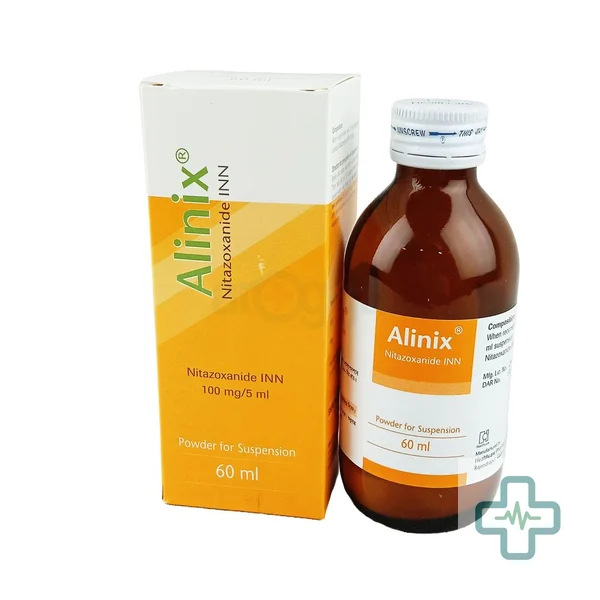
Alinix 100 mg/5 ml Powder For Suspension
Nitazoxanide
Healthcare Pharmaceuticals Ltd.
Amizox 500 mg Tablet
Nitazoxanide
Amico Laboratories Ltd.
Antizoa 500 mg Tablet
Nitazoxanide
Jenphar Bangladesh Ltd.
Antizoa 100 mg/5 ml Powder For Suspension
Nitazoxanide
Jenphar Bangladesh Ltd.
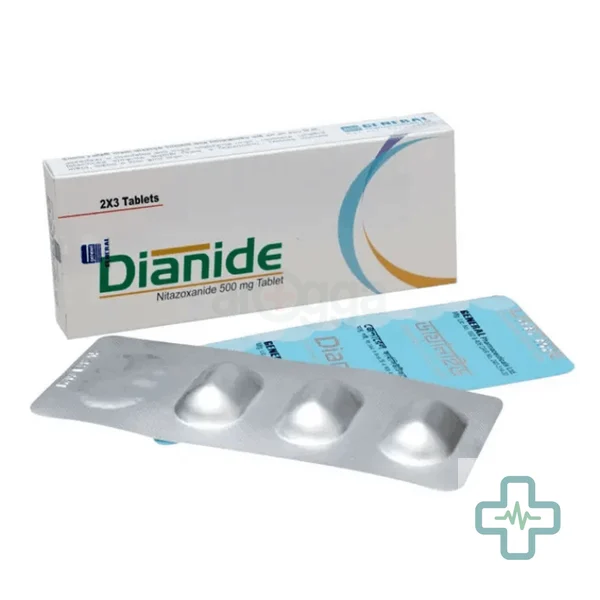
Dianide 500 mg Tablet
Nitazoxanide
General Pharmaceuticals Ltd.

Dianide 100 mg/5 ml Powder For Suspension
Nitazoxanide
General Pharmaceuticals Ltd.
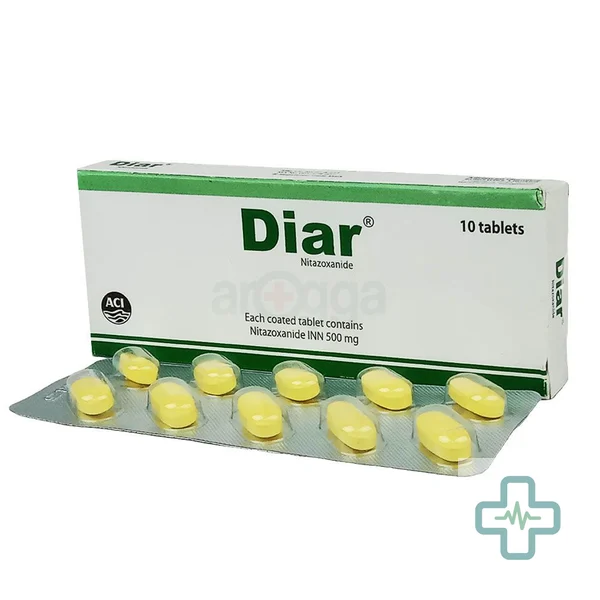
Diar 500 mg Tablet
Nitazoxanide
Advanced Chemical Industries Limited
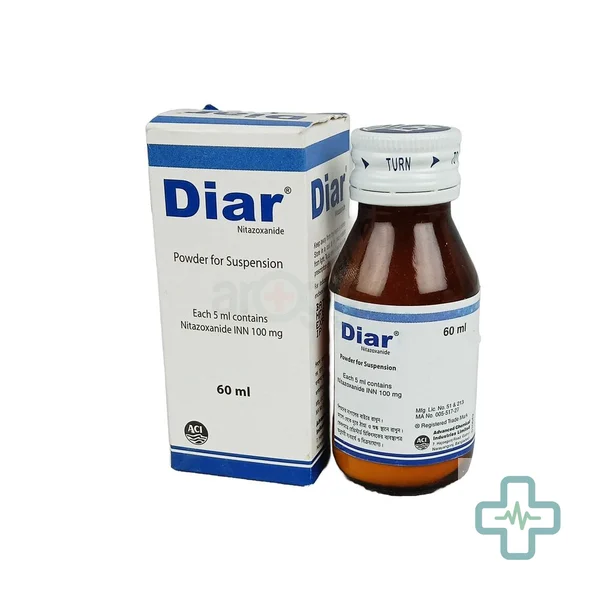
Diar 100 mg/5 ml Powder For Suspension
Nitazoxanide
Advanced Chemical Industries Limited
Diasis 500 mg Tablet
Nitazoxanide
The ACME Laboratories Ltd.
Diasis 100 mg/5 ml Powder For Suspension
Nitazoxanide
The ACME Laboratories Ltd.

Diazox 500 mg Tablet
Nitazoxanide
Kumudini Pharma Ltd.
Niazid 500 mg Tablet
Nitazoxanide
Apex Pharma Ltd.
Niazid 100 mg/5 ml Powder For Suspension
Nitazoxanide
Apex Pharma Ltd.
Nicud 100 mg/5 ml Powder For Suspension
Nitazoxanide
Monicopharma Limited
Nidor 500 mg Tablet
Nitazoxanide
Pharmasia Ltd.
Nidor 100 mg/5 ml Powder For Suspension
Nitazoxanide
Pharmasia Ltd.
Nidozox 500 mg Tablet
Nitazoxanide
Acme Specialized Pharmaceuticals Ltd.
Nidozox 100 mg/5 ml Powder For Suspension
Nitazoxanide
Acme Specialized Pharmaceuticals Ltd.
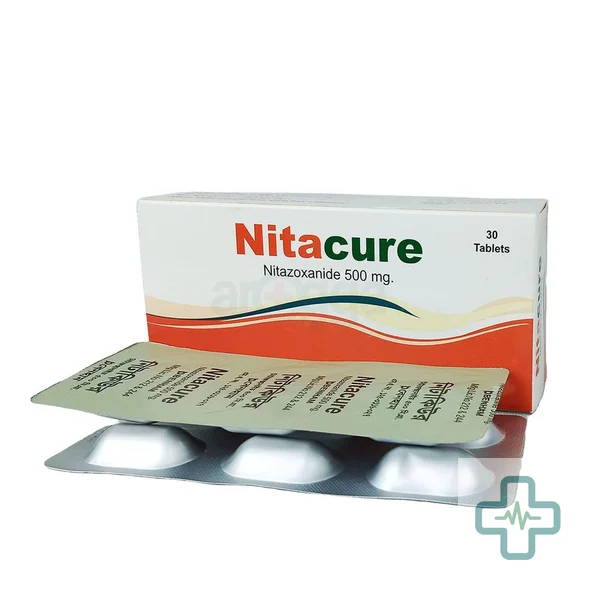
Nitacure 500 mg Tablet
Nitazoxanide
Benham Pharmaceuticals Ltd.
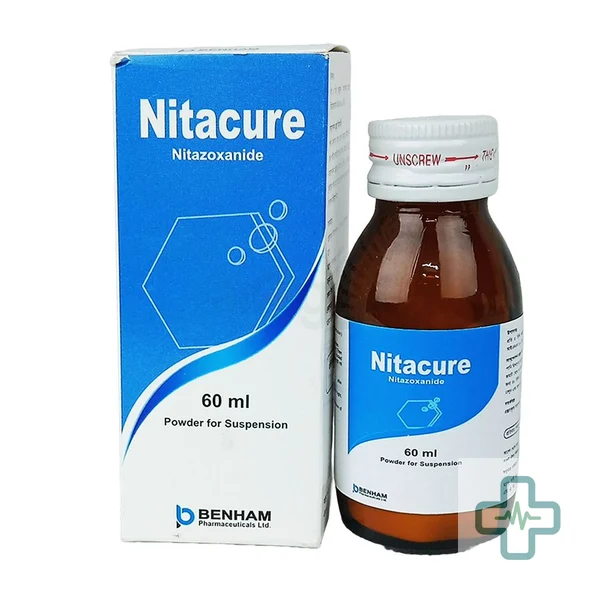
Nitacure 100 mg/5 ml Powder For Suspension
Nitazoxanide
Benham Pharmaceuticals Ltd.
All Nitazoxanide brands (73)
- Adnix 100 mg/5 ml Powder For Suspension
- Adnix 500 mg Tablet
- Albizox 100 mg/5 ml Powder For Suspension
- Albizox 500 mg Tablet
- Alinix 100 mg/5 ml Powder For Suspension
- Amizox 500 mg Tablet
- Antizoa 100 mg/5 ml Powder For Suspension
- Antizoa 500 mg Tablet
- Dianide 100 mg/5 ml Powder For Suspension
- Dianide 500 mg Tablet
- Diar 100 mg/5 ml Powder For Suspension
- Diar 500 mg Tablet
- Diasis 100 mg/5 ml Powder For Suspension
- Diasis 500 mg Tablet
- Diazox 500 mg Tablet
- Niazid 100 mg/5 ml Powder For Suspension
- Niazid 500 mg Tablet
- Nicud 100 mg/5 ml Powder For Suspension
- Nidor 100 mg/5 ml Powder For Suspension
- Nidor 500 mg Tablet
- Nidozox 100 mg/5 ml Powder For Suspension
- Nidozox 500 mg Tablet
- Nitacure 100 mg/5 ml Powder For Suspension
- Nitacure 500 mg Tablet
- Nitalet 500 mg Tablet
- Nitanid 100 mg/5 ml Powder For Suspension
- Nitanid 500 mg Tablet
- Nitanid Powder for Suspension 100 mg/5 ml
- Nitasis 100 mg/5 ml Powder For Suspension
- Nitasis 500 mg Tablet
- Nitasol 100 mg/5 ml Powder For Suspension
- Nitasol 500 mg Tablet
- Nitax 100 mg/5 ml Powder For Suspension
- Nitaxen 500 mg Tablet
- Nitaxen PFS 100 mg/5 ml Powder For Suspension
- Nitaxide 100 mg/5 ml Powder For Suspension
- Nitaxide 500 mg Tablet
- Nitazet 100 mg/5 ml Powder For Suspension
- Nitazet 500 mg Tablet
- Nitazox 100 mg/5 ml Powder For Suspension
- Nitazox 500 mg Tablet
- Nitide 100 mg/5 ml Powder For Suspension
- Nitide 500 mg Tablet
- Nitoxin 100 mg/5 ml Powder For Suspension
- Nitoxin 500 mg Tablet
- Nixamid 500 mg Tablet
- NIZ 100 mg/5 ml Powder For Suspension
- NIZ 500 mg Tablet
- Nizox 100 mg/5 ml Powder For Suspension
- NTZ 500 mg Tablet
- NTZ PFS 100 mg/5 ml Powder For Suspension
- Oanita 500 mg Tablet
- Parazox 500 mg Tablet
- Parazox PFS 100 mg/5 ml Powder For Suspension
- Proxa-A 100 mg/5 ml Powder For Suspension
- Proxa-A 500 mg Tablet
- Sanotide 500 mg Tablet
- Tazonid 100 mg/5 ml Powder For Suspension
- Tazonid 500 mg Tablet
- Tazox 500 mg Tablet
- Toza 100 mg/5 ml Powder For Suspension
- Toza 500 mg Tablet
- Xanide 100 mg/5 ml Powder For Suspension
- Xanita 100 mg/5 ml Powder For Suspension
- Xanita 500 mg Tablet
- Zoana 100 mg/5 ml Powder For Suspension
- Zoana 500 mg Tablet
- Zox 100 mg/5 ml Powder For Suspension
- Zox 500 mg Tablet
- Zoxan 100 mg/5 ml Powder For Suspension
- Zoxan 500 mg Tablet
- Zoxanid 100 mg/5 ml Powder For Suspension
- Zoxanid 500 mg Tablet
What is Nitazoxanide?
Nitazoxanide is a antiprotozoal / antiparasitic medicine available in Bangladesh under many brand names. Below are its uses, side effects and precautions — and every brand with its current price.
What is Nitazoxanide used for?
Nitazoxanide is indicated for:
- Giardiasis — diarrhoea caused by Giardia lamblia
- Cryptosporidiosis — diarrhoea caused by Cryptosporidium parvum, including in children
- Amoebiasis and some helminth (worm) infections — as judged appropriate by a doctor
- Persistent or rotavirus-associated diarrhoea — in selected cases under medical guidance
Most short-lived diarrhoea is viral and needs only fluids and zinc (in children) — not antiparasitic medicine. Nitazoxanide should be used when a doctor suspects or confirms a parasitic cause, not routinely for every loose motion.
Side Effects
Nitazoxanide is generally well tolerated. Possible side effects:
- Common: abdominal pain, nausea, headache, and harmless bright yellow-green discolouration of urine (sometimes of the eyes' sclera appearing yellowish-tinged in reports, and of body fluids)
- Less common: vomiting, diarrhoea, dizziness, loss of appetite
- Rare: allergic reactions with rash, itching or swelling; raised liver enzymes
The yellowish urine is expected with this medicine and disappears after the course ends. Seek medical help for any swelling of the face or throat, breathing difficulty, severe rash, or worsening dehydration despite treatment.
Precautions & Warnings
Precautions with Nitazoxanide:
- Take with food — absorption is much better and stomach upset less likely
- Rehydration first: in any diarrhoea, fluids and electrolytes (ORS) remain the priority; the antiparasitic complements, never replaces, them
- Tell your doctor about liver or kidney disease and immune-suppressing conditions such as advanced HIV, where response may differ and longer therapy may be needed
- Diabetic patients should note the suspension contains sugar
- If diarrhoea persists beyond the course, returns, or contains blood, return to the doctor for stool testing rather than repeating courses on your own
Drug Interactions
Nitazoxanide has relatively few known drug interactions, but note:
- Highly protein-bound drugs: its active form (tizoxanide) binds strongly to blood proteins, so caution with warfarin, phenytoin and similar narrow-margin medicines — monitoring may be advised
- Other antiparasitics: combinations should be doctor-directed to avoid unnecessary duplication
- Alcohol: avoid during treatment of gut infections, as it worsens dehydration and stomach upset
Always give your doctor and pharmacist a complete list of your medicines, including blood thinners and anti-epileptics, before starting Nitazoxanide.
Contraindications
Nitazoxanide should not be used in:
- Known hypersensitivity to nitazoxanide or any component of the
- Children below the age covered by the product's licence (suspension is generally for 1 year and above; tablets for 12 years and above) unless a doctor directs otherwise
Use with caution, under medical supervision, in significant liver or kidney impairment, as safety data in these groups are limited. In severely immunocompromised patients (such as advanced HIV), effectiveness may be reduced and specialist-guided treatment is required rather than standard self-medication.
Pregnancy & Lactation
Pregnancy: Animal studies with nitazoxanide have not shown harm to the foetus, but well-controlled human studies are lacking. It should be used in pregnancy only if a registered doctor judges the benefit to outweigh potential risk — particularly in the first trimester, when most medicines are minimised.
Lactation: It is not known whether nitazoxanide or its active metabolite passes into human breast milk. Breastfeeding mothers should use it only on a doctor's advice, who will weigh the importance of treating the mother's infection against any theoretical risk to the infant.
Storage
Store below 30°C in a dry place, protected from light. Keep tablets in the original blister. After reconstitution, the suspension should be kept as directed on the label and used within the stated period (commonly 7 days); shake well before every dose. Keep out of the reach and sight of children and never use after the expiry date.
Frequently asked questions about Nitazoxanide
My urine turned yellow-green after taking Nitazoxanide — is that dangerous?
No. A bright yellow or greenish tint to the urine is a well-known, harmless effect of nitazoxanide and its metabolites, and it fades within a day or two of finishing the course. It is not a sign of liver or kidney damage by itself. However, if you also notice yellowing of the eyes or skin, dark urine with pale stools, or severe tiredness, see a doctor promptly, as those suggest a different problem.
Can I take Nitazoxanide for any diarrhoea without seeing a doctor?
No. Most acute diarrhoea is viral and self-limiting — the essential treatment is oral rehydration solution, continued feeding, and zinc for children, not antiparasitic drugs. Nitazoxanide helps specifically when a parasite such as Giardia or Cryptosporidium is the suspected or confirmed cause, which a doctor judges from the history, duration and sometimes stool tests. Diarrhoea with high fever, blood, severe dehydration, or lasting more than a few days needs medical assessment, not self-medication.
General information about Nitazoxanide, written from a shared template for every medicine with this ingredient by the ChamberBD content team. This page has not been individually reviewed by a clinician and does not replace a doctor's advice — always follow your doctor's prescription.