
Generic
Montelukast
Brand medicines containing Montelukast available in Bangladesh — compare prices, strengths and manufacturers.
Montelukast brands in Bangladesh
Showing 1–24 of 230 medicines
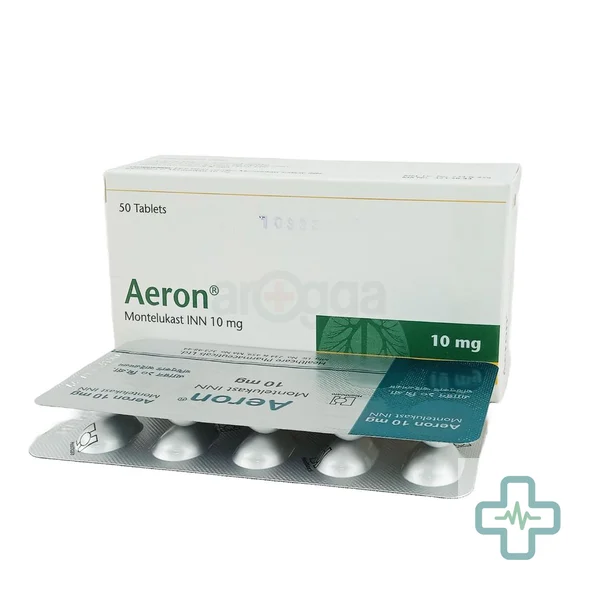
Aeron 10 mg Tablet
Montelukast
Healthcare Pharmaceuticals Ltd.
Aeron 4 mg Sachet
Montelukast
Healthcare Pharmaceuticals Ltd.
Aeron Flash 5 mg Tablet
Montelukast
Healthcare Pharmaceuticals Ltd.
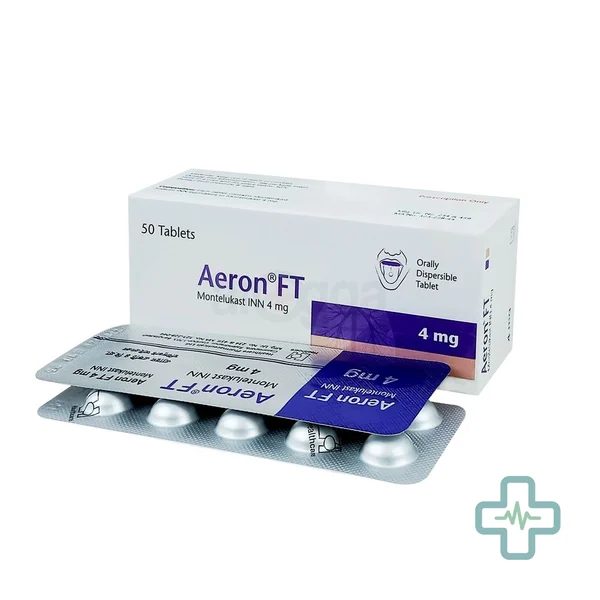
Aeron FT 4 mg Tablet
Montelukast
Healthcare Pharmaceuticals Ltd.
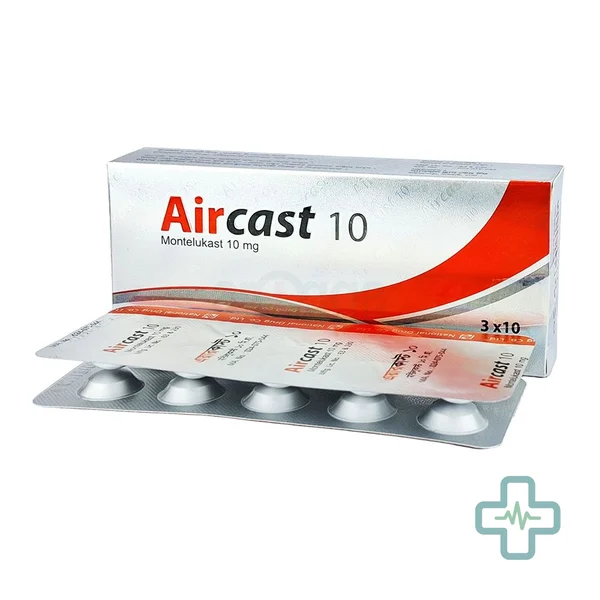
Aircast 10 mg Tablet
Montelukast
National Drug Company Ltd.
Airfix 10 mg Tablet
Montelukast
Amico Laboratories Ltd.
Airfix 5 mg Tablet
Montelukast
Amico Laboratories Ltd.
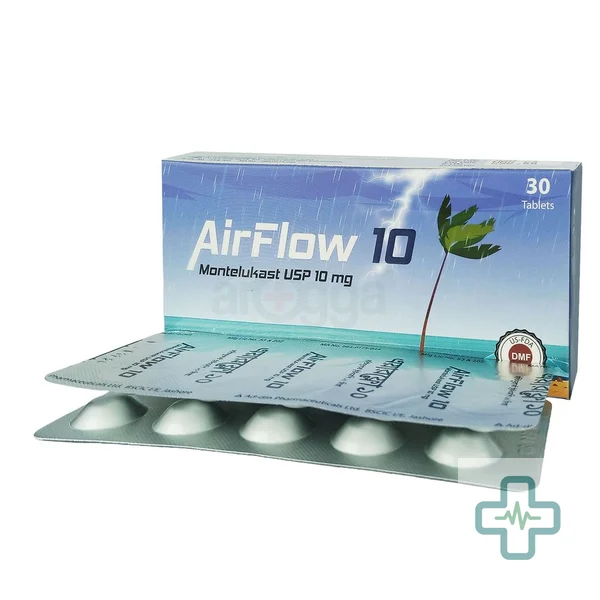
Airflow 10 mg Tablet
Montelukast
Ad-din Pharmaceuticals Ltd.
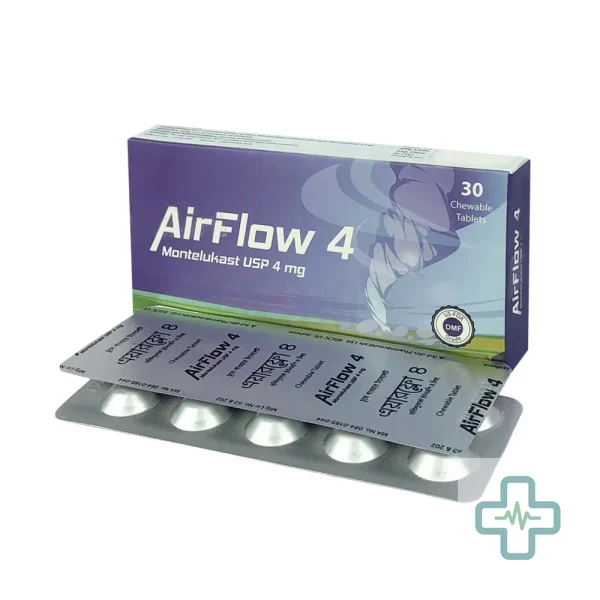
Airflow 4 mg Tablet
Montelukast
Ad-din Pharmaceuticals Ltd.
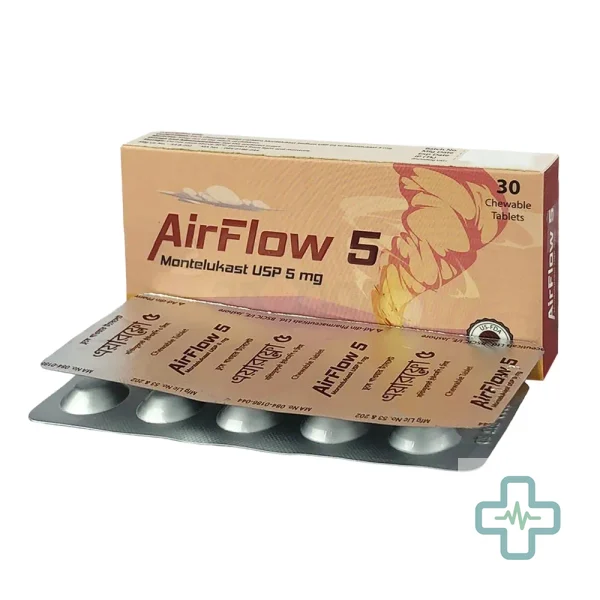
Airflow 5 mg Tablet
Montelukast
Ad-din Pharmaceuticals Ltd.
Airmont 10 mg Tablet
Montelukast
Goodman Pharmaceuticals Ltd
Airup 4 mg Chewable Tablet
Montelukast
Pharmasia Ltd.
Airup-10 mg Tablet
Montelukast
Pharmasia Ltd.
Airup-5 mg Tablet
Montelukast
Pharmasia Ltd.
Airup-5 Chewable Tablet
Montelukast
Pharmasia Ltd.

Airway 10 mg Tablet
Montelukast
One Pharma Ltd.
Airway 5 mg Tablet
Montelukast
One Pharma Ltd.
Ambkust 10 Tablet
Montelukast
Ambee Pharmaceuticals Ltd.
Antaluk 10 mg Tablet
Montelukast
United Chemicals & Pharmaceuticals Ltd.

Arokast 10 mg Tablet
Montelukast
Navana Pharmaceuticals Ltd.
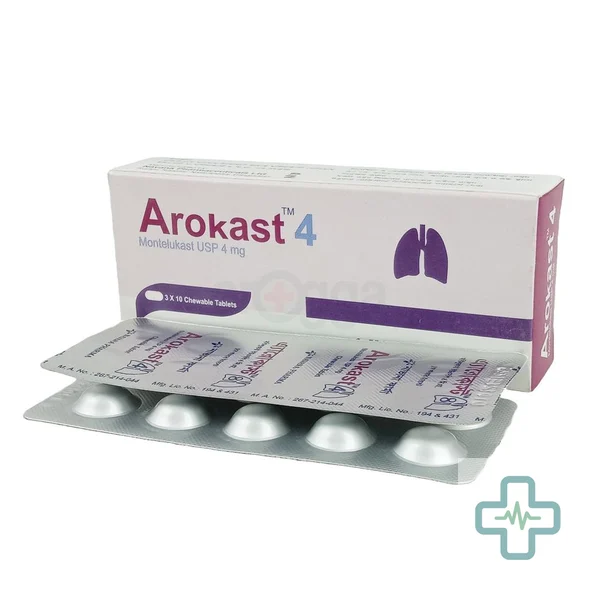
Arokast 4 mg Tablet
Montelukast
Navana Pharmaceuticals Ltd.
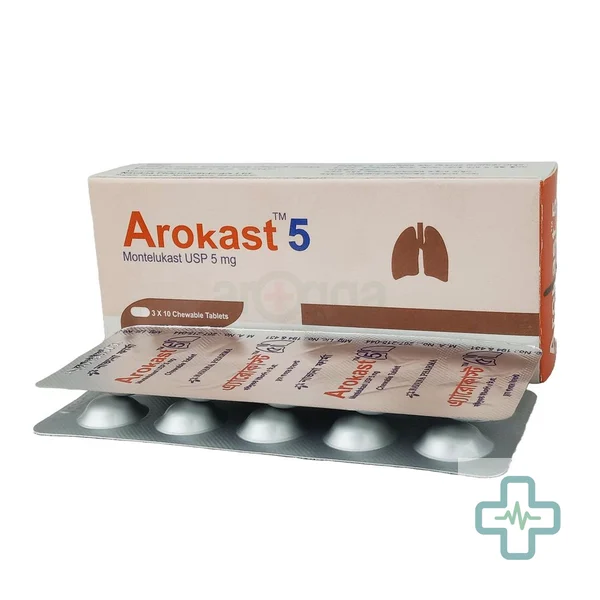
Arokast 5 mg Tablet
Montelukast
Navana Pharmaceuticals Ltd.
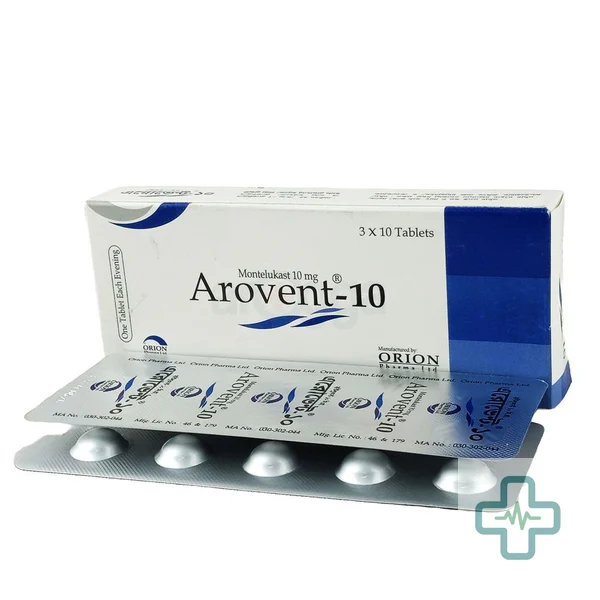
Arovent 10 mg Tablet
Montelukast
Orion Pharma Ltd.
Arovent 4 ODT Chewable Tablet
Montelukast
Orion Pharma Ltd.
All Montelukast brands (230)
- Aeron 10 mg Tablet
- Aeron 4 mg Sachet
- Aeron Flash 5 mg Tablet
- Aeron FT 4 mg Tablet
- Aircast 10 mg Tablet
- Airfix 10 mg Tablet
- Airfix 5 mg Tablet
- Airflow 10 mg Tablet
- Airflow 4 mg Tablet
- Airflow 5 mg Tablet
- Airmont 10 mg Tablet
- Airup 4 mg Chewable Tablet
- Airup-10 mg Tablet
- Airup-5 Chewable Tablet
- Airup-5 mg Tablet
- Airway 10 mg Tablet
- Airway 5 mg Tablet
- Ambkust 10 Tablet
- Antaluk 10 mg Tablet
- Arokast 10 mg Tablet
- Arokast 4 mg Tablet
- Arokast 5 mg Tablet
- Arovent 10 mg Tablet
- Arovent 4 ODT Chewable Tablet
- Asmatab 10 mg Tablet
- Asmont 10 mg Tablet
- Asmont 4 mg Chewable Tablet
- B Easy-10 mg Tablet
- B Easy-5 mg Tablet
- Breasy-10 mg Tablet
- Breathair-10 mg Tablet
- Brocast 10 mg Tablet
- Centokast 10 mg Tablet
- Croma 10 mg Tablet
- Croma 4 Orodispersible Tablet
- Croma 5 Chewable Tablet
- Edron 10 mg Tablet
- Ezair 10 mg Tablet
- Ezevent 10 mg Tablet
- Ezevent 4 mg Chewable Tablet
- Flomont 10 mg Tablet
- FREEGEST 4 mg Odt Tablet
- G-MONTELUKAST 10 mg Tablet
- G-MONTELUKAST 5 mg Tablet
- Glaxiair 10 mg Tablet
- H-Kast 10 mg Tablet
- Indokast 10 mg Tablet
- Kulair 5 mg Chewable Tablet
- LEOKAST 10 mg Tablet
- Liam 10 mg Tablet
- Liam 5 mg Chewable Tablet
- Loctril 10 mg Tablet
- Lotem 10 mg Tablet
- Lotem 4 ODT Chewable Tablet
- Lotem 5 ODT Chewable Tablet
- Lukas-10 mg Tablet
- Lukas-4 mg Tablet
- Lukas-5 mg Tablet
- Lumenta 5 mg Tablet
- Luminus 10 mg Tablet
- Luminus 4 mg Chewable Tablet
- Luminus 5 mg Chewable Tablet
- Lumona 10 mg Tablet
- Lumona 4 Chewable Tablet
- Lumona 4 mg Tablet
- Lungair 10 mg Tablet
- Luxem 10 mg Tablet
- M Kast 10 mg Tablet
- M Kast 4 mg Tablet
- M Kast 5 mg Tablet
- M-K 10 Tablet
- M-K 4 Tablet
- M-K 5 Tablet
- M-Lucas 10 mg Tablet
- M-Lucas 4 mg Tablet
- M-Lucas 5 mg Tablet
- Maxair 10 mg Tablet
- Maxair 5 mg Tablet
- Maxmont-10 mg Tablet
- Maxmont-5 mg Tablet
- Medikast 10 mg Tablet
- Medikast 4 mg Tablet
- Medikast 5 mg Tablet
- Metok 10 mg Tablet
- Modicust 10 mg Tablet
- Mokast 10 mg Tablet
- Molukat 10 mg Tablet
- Molukat 4 mg Tablet
- Molukat 5 mg Tablet
- Mon-10 mg Tablet
- Mon-5 mg Tablet
- Mon-X 10 mg Tablet
- Monamet-10 mg Tablet
- Monark 10 mg Tablet
- Monark 4 mg Tablet
- Monas 10 mg Tablet
- Monas 4 mg Tablet
- Monas 5 mg Tablet
- Monasic 10 mg Tablet
- Monasic 4 mg Chewable Tablet
- Monasic 5 mg Chewable Tablet
- Moneka 5 mg Tablet
- Monfast 10 mg Tablet
- Monfast 4 ODT Tablet
- Monfast 5 ODT Chewable Tablet
- Monikast 10 Tablet
- Monkon 10 mg Tablet
- Monkon-5 mg Tablet
- Monlee 10 Filim Coated Tablet
- Monlee 5 Filim Coated Tablet
- Monocast 10 mg Tablet
- Monocast 4 mg Sachet
- Monocast 4 mg Tablet
- Monocast 5 mg Tablet
- Monovas 10 mg Tablet
- Monovas CT-5 mg Chewable Tablet
- Monprox 10 mg Tablet
- Monprox OFT 5 mg Tablet
- Mont-R 10 mg Tablet
- Mont-R 4 mg Tablet
- Montair 10 10 mg Tablet
- Montair 10 mg Tablet
- Montair 4 mg Tablet
- Montair 5 mg Tablet
- Montamet-5 mg Tablet
- Montegol 10 mg Tablet
- Montek 10 mg Tablet
- Montek 5 mg Tablet
- Montekast 10 mg Tablet
- Montekast 4 mg Chewable Tablet
- Montela 10 mg Tablet
- Montela 4 Chewable Tablet
- Montela 5 Chewable Tablet
- Montelon 10 mg Tablet
- Montelon 4 mg Tablet
- Montelon-5 mg Tablet
- Monteluk 10 mg Tablet
- Monteluk 5 mg Tablet
- Montelukast 10 mg Tablet
- Montelukast 4 mg Chewable Tablet
- Montelukast 5 mg Chewable Tablet
- Montelukast AMETAS 4 mg Granul Sachet
- MONTELUKAST AMETAS 5 mg Tablet
- Montelukast ametas4 4 mg Tablet
- Montelukast PPL 10 mg Tablet
- Montemax 10 mg Tablet
- Montemax 5 Orodispersile Tablet
- Montenaaf 10 mg Tablet
- Montenaaf 5 ODT 4 mg Odt Tablet
- Montene 10 10 mg Tablet
- Montene 10 mg Tablet
- Montene 4 4 mg Tablet
- Montene 4 mg Tablet
- Montene 5 5 mg Tablet
- Montene 5 mg Tablet
- Montesod 10 mg Tablet
- Montex 10 mg Tablet
- Montex 5 mg Tablet
- Montezen 10 mg Tablet
- Montezen 5 mg Tablet
- Monti Max 10 mg Tablet
- Montica 10 mg Tablet
- Montica 4 Chewable Tablet
- Montica 5 mg Tablet
- Montifast 10 mg Tablet
- Montifast 4 mg Tablet
- Montifast 5 mg Tablet
- Montilab 10 mg Tablet
- Montilab 4 Chewable Tablet
- Montilab 5 mg Chewable Tablet
- Montilet 10 mg Tablet
- Montinex 10 mg Tablet
- Montinex 4 mg Tablet
- Montinex 5 mg Tablet
- Montison-10 mg Tablet
- Montium 10 mg Tablet
- Montiva 10 mg Tablet
- Montiva 4 mg Tablet
- Montril 4 mg Tablet
- Montus 5 mg Tablet
- Mymonte-10 mg Tablet
- Nozma 10 mg Tablet
- Nozma 4 Orodispersible Tablet
- Nozma 5 mg Tablet
- Odmon 10 mg Tablet
- Odmon 5 mg Tablet
- Odmon- 4 Chewable Tablet
- Odmon-10 F.C Tablet
- Odmon-4 mg Chewable Tablet
- Odmon-5 Chewable Tablet
- Polokast 10 mg Tablet
- Prikast 10 mg Tablet
- Proaid-10 mg Tablet
- Proair-5 mg Tablet
- Provair 10 mg Tablet
- Provair 4 mg Tablet
- Provair 5 mg Tablet
- Provair-4 mg Sachet
- Proximont 10 mg Tablet
- Pulmokast 10 mg Tablet
- Pulmokast 4 mg Chewable Tablet
- Reokast 4 mg Chewable Tablet
- Reversair 10 mg Tablet
- Riokast 10 mg Tablet
- Salkast 10 mg Tablet
- Salkast 4 mg Tablet
- SB-Monec 10 mg Tablet
- Silmon 10 mg Tablet
- Sinlair 10 mg Tablet
- Tekast 10 mg Tablet
- Tekast 4 ODT Tablet
- Tekast 5 mg Tablet
- Telukast 10 10 mg Tablet
- Telukast 10 mg Tablet
- Telukast 4 mg Chewable Tablet
- Telukast 4 mg Tablet
- Telukast 5 mg Chewable Tablet
- Telukast 5 mg Tablet
- Tmon 10 mg Tablet
- Trilock 4 OFT Tablet
- Trilock 5 oft Tablet
- Ventair 10 mg Tablet
- Ventair 5 mg Chewable Tablet
- Ventilast 10 mg Tablet
- Xinlair 10 mg Tablet
- Xinlair 5 mg Tablet
- Xyflo 10 mg Tablet
- Xyflo 4 mg Chewable Tablet
- Xyflo 4 ODT Tablet
- Xyflo 5 mg Chewable Tablet
What is Montelukast?
Montelukast is a leukotriene receptor antagonist medicine available in Bangladesh under many brand names. Below are its uses, side effects and precautions — and every brand with its current price.
What is Montelukast used for?
- Long-term control and prevention of asthma (adults and children)
- Prevention of exercise-induced bronchospasm
- Seasonal and perennial allergic rhinitis
- Asthma with coexisting allergic rhinitis
- Aspirin-sensitive asthma (as advised by a doctor)
Side Effects
Montelukast is generally well tolerated. Common side effects include headache, stomach pain, diarrhoea, and mild upper respiratory symptoms; children may have thirst or hyperactivity. Importantly, montelukast can rarely cause mood and behaviour changes — agitation, irritability, bad dreams, sleep disturbance, anxiety, depression, and in rare cases suicidal thoughts. Watch for any change in mood or behaviour, especially in children, and report it to the doctor immediately; the medicine is usually stopped if this occurs. Very rarely, allergic reactions or flu-like illness with rash may appear.
Precautions & Warnings
Tell your doctor about any history of depression, anxiety, or other mental health conditions before starting montelukast, and monitor mood and behaviour during treatment — particularly in children. Do not reduce or stop your inhaled steroid or other asthma medicines on your own when montelukast is added; changes should be gradual and doctor-guided. Continue carrying your reliever inhaler at all times. Chewable tablets contain aspartame, which matters for patients with phenylketonuria. If asthma worsens despite regular use, see your doctor promptly.
Drug Interactions
Montelukast has few clinically important interactions. Enzyme-inducing drugs such as rifampicin, phenytoin, carbamazepine, and phenobarbital can lower montelukast levels and reduce its effect; gemfibrozil can raise its levels. No dose adjustment is generally needed with theophylline, oral contraceptives, warfarin, or digoxin, but always tell your doctor and pharmacist about every medicine, supplement, or herbal product you take so they can check for problems.
Contraindications
Montelukast must not be taken by anyone with known hypersensitivity to montelukast or any component of the product. It should not be used as monotherapy for an acute asthma attack or for status asthmaticus. Patients who developed serious neuropsychiatric symptoms on montelukast previously should generally not restart it. Chewable tablets are contraindicated in phenylketonuria due to their aspartame content.
Pregnancy & Lactation
Pregnancy: Available data have not shown major harm, but montelukast is used in pregnancy only when the doctor considers it clearly needed — usually in women whose asthma responded well to it before pregnancy. Lactation: Small amounts pass into breast milk; use while breastfeeding only on a doctor's advice, weighing benefit against risk. Never stop asthma treatment in pregnancy without consulting your doctor, as uncontrolled asthma harms both mother and baby.
Storage
Store below 30°C in a dry place, protected from light and moisture. Keep tablets in the original blister until use; granule sachets should be used within 15 minutes of opening. Keep out of the reach of children and do not use after the expiry date.
Frequently asked questions about Montelukast
Can Montelukast be used during a sudden asthma attack?
I heard Montelukast can affect mood — should I be worried?
General information about Montelukast, written from a shared template for every medicine with this ingredient by the ChamberBD content team. This page has not been individually reviewed by a clinician and does not replace a doctor's advice — always follow your doctor's prescription.