
Generic
Mirtazapine
Brand medicines containing Mirtazapine available in Bangladesh — compare prices, strengths and manufacturers.
Mirtazapine brands in Bangladesh
Showing 1–24 of 52 medicines
Amiron 15 mg Tablet
Mirtazapine
Orion Pharma Ltd.
Amiron 30 mg Tablet
Mirtazapine
Orion Pharma Ltd.

Amiron 7.5 mg Tablet
Mirtazapine
Orion Pharma Ltd.
Azapin 15 mg Tablet
Mirtazapine
Labaid Pharmaceuticals Ltd.
M-Fit 15 mg Tablet
Mirtazapine
Everest Pharmaceuticals Ltd.
M-Fit 7.5 mg Tablet
Mirtazapine
Everest Pharmaceuticals Ltd.
Mipin 15 mg Tablet
Mirtazapine
Belsen Pharmaceuticals Ltd.
Miramind 15 mg Tablet
Mirtazapine
Biopharma Ltd.
Miramind 7.5 mg Tablet
Mirtazapine
Biopharma Ltd.

Mirapin 15 mg Tablet
Mirtazapine
Beacon Pharmaceuticals PLC

Mirapro 15 mg Tablet
Mirtazapine
Square Lifesciences Limited, Pabna
Mirapro 15 Tablet
Mirtazapine
Square Pharmaceuticals PLC, Pabna

Mirapro 7.5 mg Tablet
Mirtazapine
Square Lifesciences Limited, Pabna
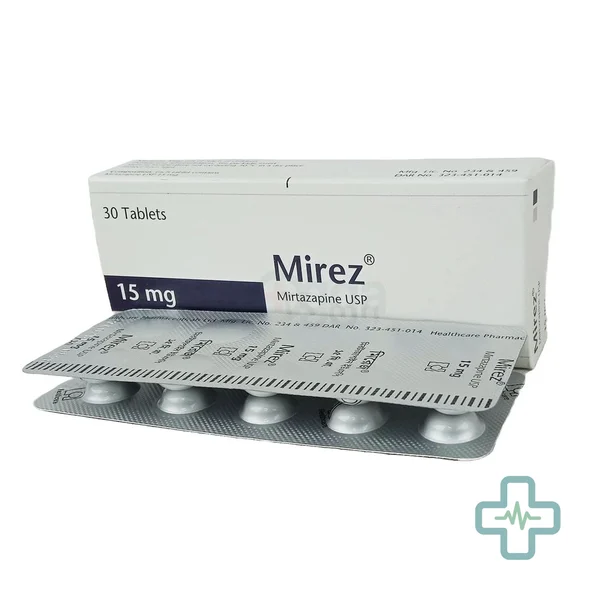
Mirez 15 mg Tablet
Mirtazapine
Healthcare Pharmaceuticals Ltd.
Mirez 30 mg Tablet
Mirtazapine
Healthcare Pharmaceuticals Ltd.
Mirez Tablet 7.5 mg Tablet
Mirtazapine
Healthcare Pharmaceuticals Ltd.
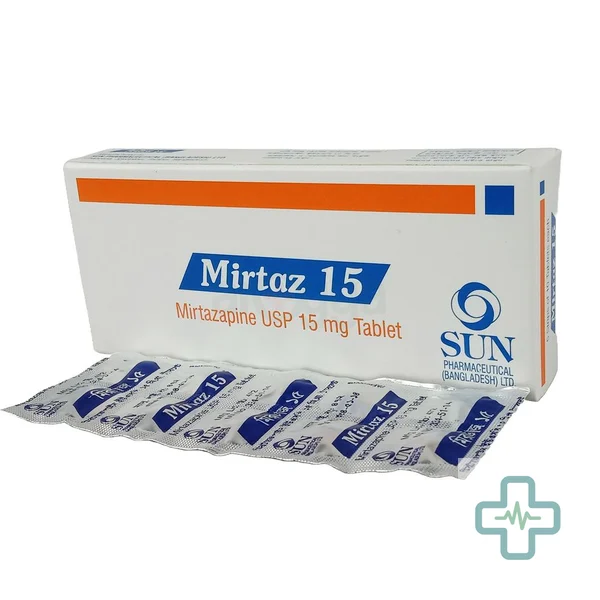
Mirtaz 15 mg Tablet
Mirtazapine
Sun Pharmaceutical (Bangladesh) Ltd.
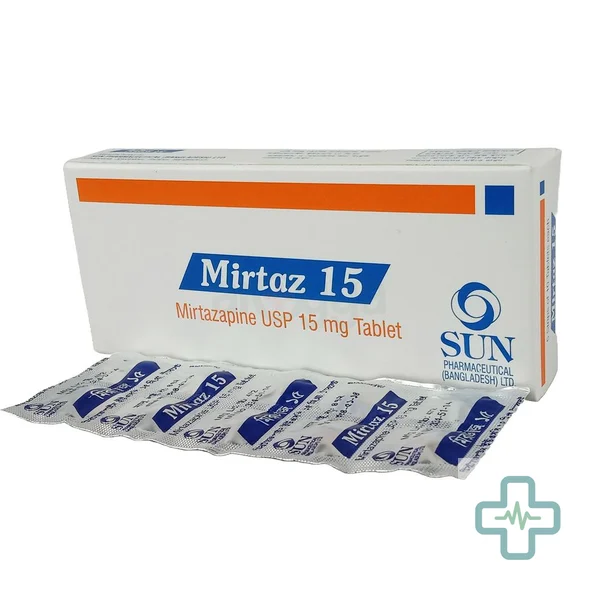
Mirtaz 15 15 mg Tablet
Mirtazapine
Sun Pharmaceuticals (EZ) Ltd., Narayanganj

Mirtaz 30 mg Tablet
Mirtazapine
Sun Pharmaceutical (Bangladesh) Ltd.

Mirtaz 7.5 mg Tablet
Mirtazapine
Sun Pharmaceutical (Bangladesh) Ltd.
Mirtazapine 15 mg Tablet
Mirtazapine
Incepta Pharmaceuticals Ltd. (Dhamrai Unit)
Mirtazapine 30 mg Tablet
Mirtazapine
Incepta Pharmaceuticals Ltd. (Dhamrai Unit)
Mirtazapine 45 mg Tablet
Mirtazapine
Incepta Pharmaceuticals Ltd. (Dhamrai Unit)
Mirtazapine Orally 15 mg Tablet
Mirtazapine
Square Pharmaceuticals PLC, Gazipur
All Mirtazapine brands (52)
- Amiron 15 mg Tablet
- Amiron 30 mg Tablet
- Amiron 7.5 mg Tablet
- Azapin 15 mg Tablet
- M-Fit 15 mg Tablet
- M-Fit 7.5 mg Tablet
- Mipin 15 mg Tablet
- Miramind 15 mg Tablet
- Miramind 7.5 mg Tablet
- Mirapin 15 mg Tablet
- Mirapro 15 mg Tablet
- Mirapro 15 Tablet
- Mirapro 7.5 mg Tablet
- Mirez 15 mg Tablet
- Mirez 30 mg Tablet
- Mirez Tablet 7.5 mg Tablet
- Mirtaz 15 15 mg Tablet
- Mirtaz 15 mg Tablet
- Mirtaz 30 mg Tablet
- Mirtaz 7.5 mg Tablet
- Mirtazapine 15 mg Tablet
- Mirtazapine 30 mg Tablet
- Mirtazapine 45 mg Tablet
- Mirtazapine Orally 15 mg Tablet
- Mirtazapine Orally 30 mg Tablet
- Mirtazapine Orally 45 mg Tablet
- Mirzalux 30 mg Tablet
- Mirzalux 45 mg Tablet
- Mitaprex 15 mg Tablet
- Mitaprex 30 mg Tablet
- Mitaprex 7.5 mg Tablet
- Mitapro 15 mg Tablet
- Mitapro 7.5 mg Tablet
- Mitapro-30 mg Tablet
- MITAZAPINE 15 mg Tablet
- MITAZAPINE 30 mg Tablet
- MITAZAPINE 7.5 mg Tablet
- Mitrazin 15 mg Tablet
- Mitrazin 30 mg Tablet
- Rapine 15 F/C Tablet
- Rapine 30 F/C Tablet
- Rapine 7.5 mg Tablet
- Rejoy 15 mg Tablet
- Rejoy 30 mg Tablet
- Rejoy 7.5 mg Tablet
- Resant 15 mg Tablet
- Trazapin 30 mg Tablet
- Trazapin 7.5 mg Tablet
- Trazapin-15 mg Tablet
- Zispin 15 mg Tablet
- Zispin 30 mg Tablet
- Zispin 7.5 mg Tablet
What is Mirtazapine?
Mirtazapine is a noradrenergic and specific serotonergic antidepressant (nassa) medicine available in Bangladesh under many brand names. Below are its uses, side effects and precautions — and every brand with its current price.
What is Mirtazapine used for?
Doctors prescribe Mirtazapine for:
- Major depression, especially when it comes with insomnia, night-time anxiety or poor appetite and weight loss
- Depression with prominent anxiety symptoms
- Sometimes, at the specialist's discretion, for sleep disturbance linked to depression or for patients who could not tolerate SSRI antidepressants
Mirtazapine is a prescription-only medicine. Whether it suits your condition, and at what dose, must be decided by a doctor — ideally a psychiatrist — after proper assessment.
Side Effects
Common side effects of Mirtazapine include:
- Drowsiness and sedation, especially in the first weeks — this is why it is taken at night
- Increased appetite and weight gain — often helpful for underweight patients, but worth monitoring
- Dry mouth, constipation
- Dizziness, vivid dreams
- Mild swelling of hands or feet in some people
See a doctor urgently if you develop fever with sore throat and mouth ulcers (rarely the medicine lowers white blood cells), yellowing of eyes, severe rash, unusual agitation or thoughts of self-harm, particularly in people under 25 during the first weeks of treatment.
Precautions & Warnings
While taking Mirtazapine:
- Use it only under a doctor's supervision and keep all follow-up appointments.
- Never stop suddenly — the dose must be reduced gradually.
- Avoid alcohol completely: combined with Mirtazapine it causes heavy sedation and worsens depression.
- Do not drive or operate machinery until you know how sleepy the medicine makes you, especially in the first weeks.
- Watch your weight and blood sugar if you have diabetes, as appetite may increase.
- Tell your doctor about epilepsy, heart disease, liver or kidney problems, glaucoma, bipolar disorder or low blood pressure.
Drug Interactions
Tell your doctor about all medicines you use. Key interactions with Mirtazapine:
- MAO inhibitor antidepressants — must not be combined; keep a gap of at least 14 days.
- Sedatives, sleeping pills and benzodiazepines (e.g., diazepam) — drowsiness is strongly increased.
- Alcohol — dangerous additive sedation; avoid completely.
- Other serotonergic drugs — tramadol, triptans, SSRIs, lithium — raise the risk of serotonin syndrome.
- Carbamazepine and phenytoin may reduce the effect of Mirtazapine, while some antifungals (ketoconazole) and HIV medicines may increase its level.
- Warfarin — the blood-thinning effect may increase slightly; INR should be monitored.
Contraindications
Mirtazapine must not be used if you have:
- Known allergy to Mirtazapine or any ingredient of the product
- Current treatment with an MAO inhibitor, or within 14 days of stopping one
It should be used cautiously, under specialist supervision, in people with epilepsy, severe liver or kidney disease, heart rhythm problems, a history of mania or bipolar disorder, glaucoma or a history of low white blood cell counts.
Pregnancy & Lactation
Pregnancy: there is limited experience with Mirtazapine in pregnancy. Mirtazapine should be used only if the doctor decides the benefit clearly outweighs the risk — but never stop it on your own, because untreated depression also harms mother and baby. If you are pregnant or planning to be, inform your psychiatrist promptly so the treatment plan can be reviewed.
Breastfeeding: small amounts pass into breast milk. Breastfeeding may be possible under medical supervision; the baby should be watched for excessive sleepiness, poor feeding or poor weight gain. Always take the decision together with your doctor.
Storage
Store Mirtazapine below 30°C in a dry place, protected from light and moisture, in its original packaging. Keep it strictly out of the reach of children. Do not use the medicine after its expiry date, and hand any unused tablets back to a pharmacy rather than discarding them in household rubbish.
Frequently asked questions about Mirtazapine
Why should Mirtazapine be taken at night?
Mirtazapine is noticeably sedating, especially during the first weeks, so taking it at bedtime turns this side effect into a benefit — it helps you fall asleep while the antidepressant action builds up. Taking it in the morning would leave many people drowsy through the day. Take it at the same time every night, and avoid driving until you know how it affects you the next morning.
Will Mirtazapine make me gain weight?
Increased appetite and some weight gain are among the most common effects of Mirtazapine. For patients whose depression caused poor appetite and weight loss, this is often helpful. If you are worried about weight, monitor it monthly, choose healthy foods, stay physically active and discuss it at follow-up — your doctor can adjust the plan. Do not stop the medicine on your own because of weight concerns.
General information about Mirtazapine, written from a shared template for every medicine with this ingredient by the ChamberBD content team. This page has not been individually reviewed by a clinician and does not replace a doctor's advice — always follow your doctor's prescription.