
Generic
Fluconazole
Brand medicines containing Fluconazole available in Bangladesh — compare prices, strengths and manufacturers.
Fluconazole brands in Bangladesh
Showing 1–24 of 229 medicines
Anfasil 150 mg Capsule
Fluconazole
Silva Pharmaceuticals Ltd.
Anfasil 50 mg Capsule
Fluconazole
Silva Pharmaceuticals Ltd.

Anfasil 50 mg/5 ml Powder For Suspension
Fluconazole
Silva Pharmaceuticals Ltd.
Apicon 50 mg Capsule
Fluconazole
APC Pharma Limited
Apicon 150 mg Capsule
Fluconazole
APC Pharma Limited
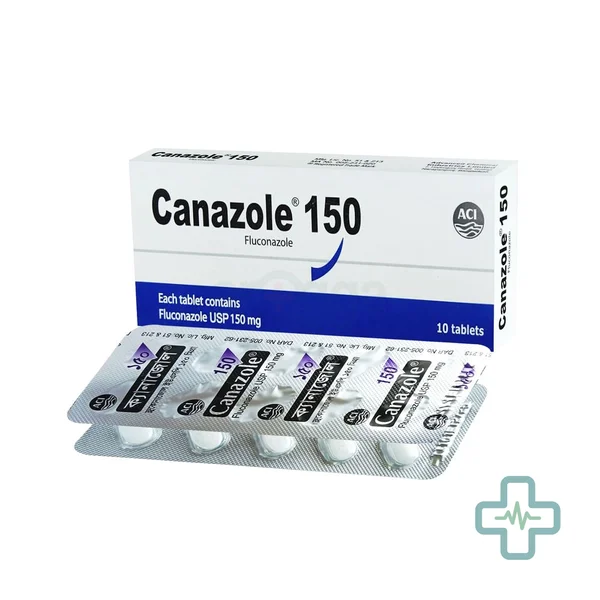
Canazole 150 mg Tablet
Fluconazole
Advanced Chemical Industries Limited
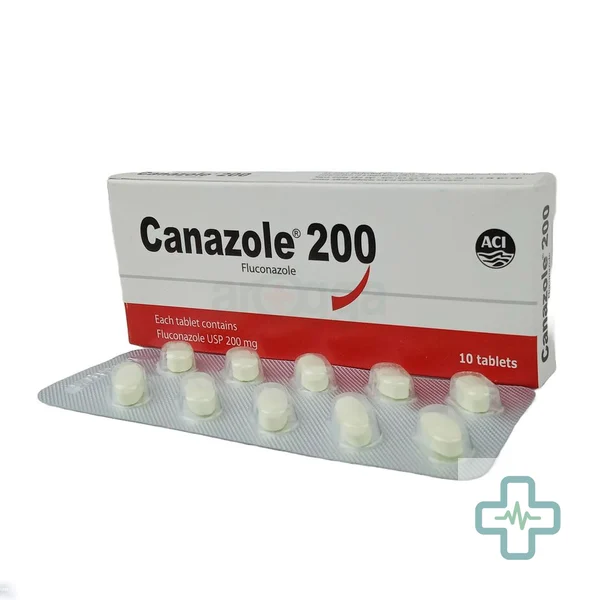
Canazole 200 mg Tablet
Fluconazole
Advanced Chemical Industries Limited
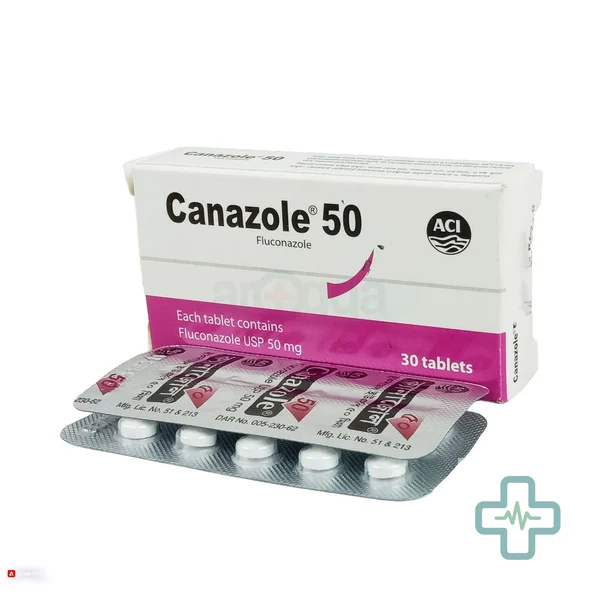
Canazole 50 mg Tablet
Fluconazole
Advanced Chemical Industries Limited
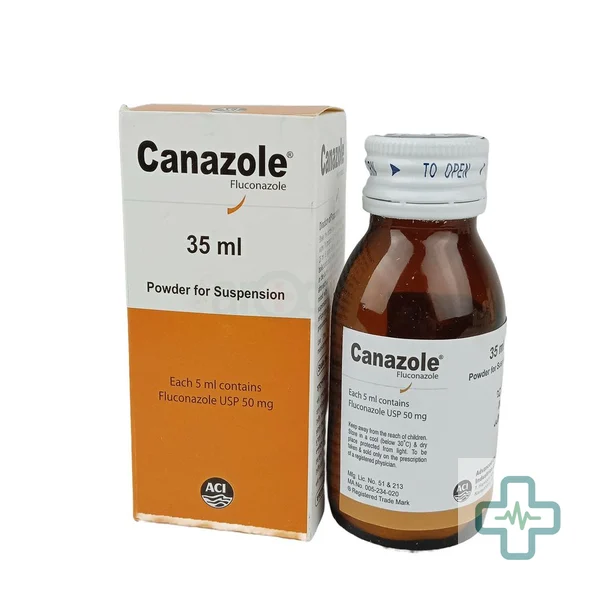
Canazole 50 mg/5 ml Powder For Suspension
Fluconazole
Advanced Chemical Industries Limited

Candid 150 mg Tablet
Fluconazole
Amico Laboratories Ltd.

Candid 50 mg Tablet
Fluconazole
Amico Laboratories Ltd.

Candidal 150 mg Tablet
Fluconazole
Radiant Pharmaceuticals Ltd.

Candidal 50 mg Tablet
Fluconazole
Radiant Pharmaceuticals Ltd.

Candidal 150 mg Capsule
Fluconazole
Radiant Pharmaceuticals Ltd.

Candidal 50 mg Capsule
Fluconazole
Radiant Pharmaceuticals Ltd.
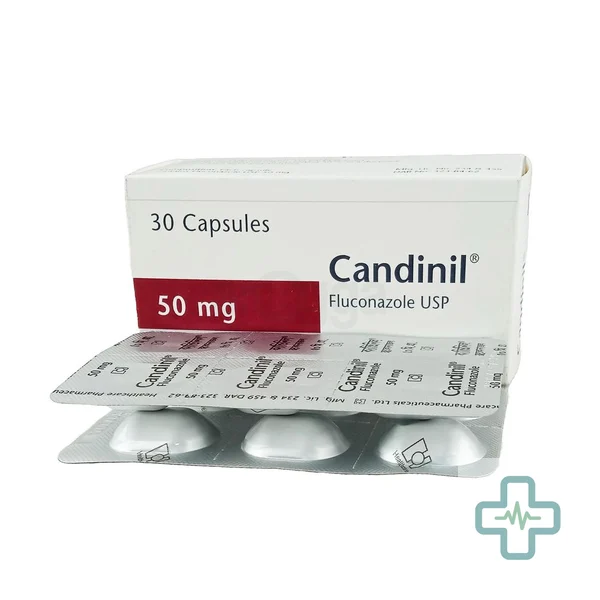
Candinil 50 mg Capsule
Fluconazole
Healthcare Pharmaceuticals Ltd.
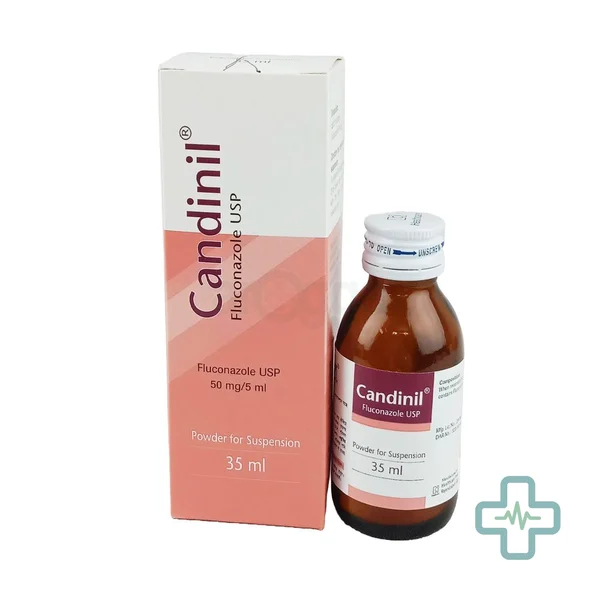
Candinil 50 mg/5 ml Powder For Suspension
Fluconazole
Healthcare Pharmaceuticals Ltd.
Candinil 200 mg Capsule
Fluconazole
Healthcare Pharmaceuticals Ltd.
Candiver 50 mg/5 ml Powder For Suspension
Fluconazole
Veritas Pharmaceuticals Ltd.
Candiver 50 mg Capsule
Fluconazole
Veritas Pharmaceuticals Ltd.

Candizol 50 mg Capsule
Fluconazole
S. N. Pharmaceuticals Ltd.
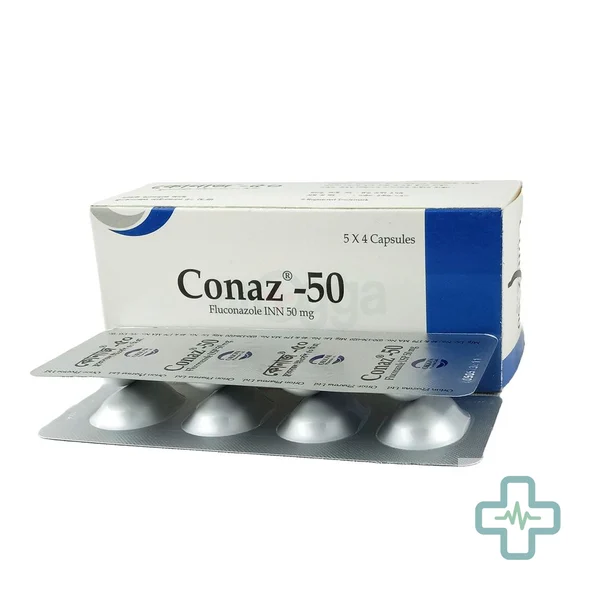
Conaz 50 mg Capsule
Fluconazole
Orion Pharma Ltd.

Darma 150 mg Capsule
Fluconazole
Alco Pharma Limited
Defungi 150 mg Capsule
Fluconazole
NIPRO JMI Pharma Limited
All Fluconazole brands (229)
- Anfasil 150 mg Capsule
- Anfasil 50 mg Capsule
- Anfasil 50 mg/5 ml Powder For Suspension
- Apicon 150 mg Capsule
- Apicon 50 mg Capsule
- Canazole 150 mg Tablet
- Canazole 200 mg Tablet
- Canazole 50 mg Tablet
- Canazole 50 mg/5 ml Powder For Suspension
- Candid 150 mg Tablet
- Candid 50 mg Tablet
- Candidal 150 mg Capsule
- Candidal 150 mg Tablet
- Candidal 50 mg Capsule
- Candidal 50 mg Tablet
- Candinil 200 mg Capsule
- Candinil 50 mg Capsule
- Candinil 50 mg/5 ml Powder For Suspension
- Candiver 50 mg Capsule
- Candiver 50 mg/5 ml Powder For Suspension
- Candizol 50 mg Capsule
- Conaz 50 mg Capsule
- Darma 150 mg Capsule
- Defungi 150 mg Capsule
- Defungi 50 mg Capsule
- Derma 50 mg Capsule
- Dermaflu 50 mg Capsule
- Dermaflu-150 mg Capsule
- Dermicon 150 mg Capsule
- Dermicon 50 mg Capsule
- Diflu 150 mg Capsule
- Diflu 200 mg Capsule
- Diflu 3 mg/ml Eye Drops
- F-Zol 150 mg Capsule
- F-Zol 200 mg Capsule
- F-Zol 200 mg/100 ml IV Infusion
- F-Zol 50 mg Capsule
- F-Zol 50 mg/5 ml Powder For Suspension
- Falcon 50 mg Capsule
- Farlan 150 mg Tablet
- Farlan 50 mg Tablet
- Fcon 150 mg Tablet
- Fcon 50 mg Tablet
- Flavona 50 mg Capsule
- Flocomed 200 mg Capsule
- Fluact 150 mg Capsule
- Fluact 50 mg/5 ml Powder For Suspension
- Flubest 150 mg Capsule
- Flubest 50 mg Capsule
- Flubet 50 mg/5 ml Powder For Suspension
- Flucan 100 mg Tablet
- Flucan 50 mg/5 ml Powder For Suspension
- flucanex 150 mg Capsule
- Flucanex 50 mg Capsule
- Flucess 100 mg Capsule
- Flucess 150 mg Capsule
- Flucess 200 mg Capsule
- Flucess 50 mg Capsule
- Fluco-S 150 mg Capsule
- Fluco-S 50 mg Capsule
- Flucoder 150 150 mg Capsule
- Flucoder 150 mg Capsule
- Flucoder 200 mg Capsule
- Flucoder 50 50 mg Capsule
- Flucoder 50 mg Capsule
- Flucoder 50 mg/5 ml Powder For Suspension
- Flucoder Powder for Suspension 50 mg/5 ml
- Flucohil 150 mg Tablet
- Flucomed 50 mg Capsule
- Flucon 150 mg Capsule
- Flucon 200 mg Capsule
- Flucon 50 mg Capsule
- Flucon 50 mg/5 ml Powder For Suspension
- Flucon-H 50 mg Capsule
- Fluconaaf 150 mg Capsule
- Fluconaaf 50 mg Capsule
- Fluconal 150 mg Capsule
- Fluconal 150 mg Tablet
- Fluconal 50 mg Tablet
- Fluconal 50 mg/5 ml Powder For Suspension
- Fluconazole 100 % Raw Materials
- Fluconazole 150 150 mg Capsule
- Fluconazole 150 mg Capsule
- Fluconazole 200 mg Capsule
- Fluconazole 50 50 mg Capsule
- Fluconazole 50 mg Capsule
- Fluconazole 50 mg/5 ml Powder For Suspension
- Flucoron-50 mg Capsule
- Flucostan 50 mg Capsule
- Flucostin 150 mg Tablet
- Flucostin 50 mg Tablet
- Flucovax 150 mg Capsule
- Flucovax 50 mg Capsule
- Fluda 150 mg Capsule
- Fluda 50 mg Capsule
- Fluda 50 mg/5 ml Powder For Suspension
- Fludex 150 mg Capsule
- Fludex 50 mg Capsule
- Flufun 50 mg Capsule
- Flugal 150 mg Capsule
- Flugal 200 mg Capsule
- Flugal 50 mg Capsule
- Flugal 50 mg/5 ml Powder For Suspension
- Flugal IV Infusion 200 mg/100 ml
- Flugard 150 mg Capsule
- Flugard 50 mg Capsule
- Flugard 50 mg/5 ml Powder For Suspension
- Flujale 50 mg Capsule
- Flukzol 150 mg Capsule
- Flukzol 50 mg Capsule
- Fluma 150 mg Capsule
- Fluma 50 mg Capsule
- Flumagal 150 mg Capsule
- Flumagal 50 mg Capsule
- Flumart 150 mg Capsule
- Flumart 50 mg Capsule
- Flumazole 150 mg Capsule
- Flumazole 50 mg Capsule
- Flumyc 150 mg Capsule
- Flumyc 50 mg Capsule
- Flumyc 50 mg/5 ml Powder For Suspension
- Flunac 150 mg Capsule
- Flunac 50 mg Capsule
- Flunac 50 mg/5 ml Powder For Suspension
- Flunapen 150 mg Capsule
- Flunapen 50 mg Capsule
- Flunazol 150 mg Capsule
- Flunazol 50 mg Capsule
- Flunazol 50 mg/5 ml Powder For Suspension
- Flunol 50 mg/5 ml Powder For Suspension
- Flusaf 150 mg Capsule
- Flusaf 50 mg Capsule
- Flutinex 150 mg Capsule
- Flutinex 50 mg/5 ml Powder For Suspension
- Fluvin 150 mg Tablet
- Fluvin 50 mg Tablet
- Fluxagal 150 mg Capsule
- Fluxagal 50 mg Capsule
- Fluxizole 150 mg Capsule
- Fluxizole 50 mg Capsule
- Fluzo 150 mg Tablet
- Fluzo 50 mg Tablet
- Fluzole 150 mg Tablet
- Fluzole 50 mg Tablet
- Flvona 50 mg Capsule
- Funcid 150 mg Capsule
- Funcid 50 mg Capsule
- Funga 150 mg Capsule
- Funga 50 mg Capsule
- Fungard 50 mg Capsule
- FUNGATA 200 mg Capsule
- fungicap 150 mg Capsule
- fungicap 50 mg Capsule
- Fungifix 50 mg Capsule
- Funginil 150 mg Capsule
- Funginil 50 mg Capsule
- Fungitrol 150 mg Capsule
- Fungitrol 50 mg Capsule
- Fungitrol 50 mg/5 ml Powder For Suspension
- Fungul 150 mg Capsule
- Funzole 150 mg Capsule
- Funzole 50 mg/5 ml Powder For Suspension
- Fuze 50 mg Capsule
- Galfin 150 mg Capsule
- Galfin 50 mg Capsule
- Iluca 150 mg Capsule
- Iluca 50 mg Capsule
- Iluca 50 mg/5 ml Powder For Suspension
- Itchnil 150 mg Capsule
- ITCHNIL 50 mg Capsule
- Leucodar 50 mg Tablet
- Limastin 50 mg Capsule
- Lucan -R 150 mg Capsule
- Lucan 150 mg Capsule
- Lucan 50 mg Capsule
- Lucan 50 mg/5 ml Powder For Suspension
- Lucan-R 200 200 mg Capsule
- Lucan-R 200 mg Capsule
- Lucan-R 50 mg Capsule
- Lucan-R Oral Suspension 50 mg/5 ml Powder For Suspension
- Lucon 150 mg Capsule
- Lucon 50 mg Capsule
- Lucon 50 mg/5 ml Powder For Suspension
- Lucza 150 mg Capsule
- Lucza 50 mg Capsule
- Lucza IV Infusion 200 mg/100 ml
- Luna 50 mg Tablet
- Luna 50 mg/5 ml Powder For Suspension
- M-Flu 150 mg Capsule
- M-Flu 50 mg Capsule
- M-fluza 150 mg Capsule
- M-Fluza 50 mg Capsule
- Mycoder 150 mg Tablet
- Mycoder 50 mg Tablet
- Mycorest 150 mg Capsule
- Mycorest 50 mg Capsule
- Nispore 150 mg Capsule
- Nispore 200 mg Capsule
- Nispore 3 mg/ml Eye Drops
- Nispore 400 mg/200 ml IV Infusion
- Nispore 50 mg/5 ml Powder For Suspension
- Nogal 150 mg Capsule
- Nogal 150 mg Tablet
- Nogal 50 mg Capsule
- Nogal 50 mg Tablet
- Olif 50 mg Capsule
- Omastin 150 mg Capsule
- Omastin 200 mg Capsule
- Omastin 200 mg/100 ml IV Infusion
- Omastin 50 mg/5 ml Powder For Suspension
- Onicon 50 mg Tablet
- Onicon 50 mg/5 ml Powder For Suspension
- Oraf 150 mg Capsule
- Oraf 50 mg Capsule
- Oraf 50 mg/5 ml Powder For Suspension
- Orcon 50 mg Capsule
- Orcon PFS 50 mg/5 ml Powder For Suspension
- Phoenix Fluconazole 50 mg Capsule
- Pileus 150 mg Capsule
- Pileus 50 mg Capsule
- Richcon 200 mg Capsule
- Sacona 150 mg Capsule
- Segal 150 mg Capsule
- Segal 50 mg Capsule
- Segal 50 mg/5 ml Powder For Suspension
- Silcona 50 mg Capsule
- Zocon 50 mg Capsule
- Zolen 150 mg Capsule
- Zolen 50 mg Capsule
What is Fluconazole?
Fluconazole is a antifungal (triazole) medicine available in Bangladesh under many brand names. Below are its uses, side effects and precautions — and every brand with its current price.
What is Fluconazole used for?
- Vaginal candidiasis (vaginal thrush)
- Oral and oesophageal candidiasis
- Fungal skin infections (tinea/ringworm, pityriasis versicolor)
- Fungal nail infections (onychomycosis)
- Cryptococcal meningitis and other systemic fungal infections
- Prevention of fungal infections in immunocompromised patients
Side Effects
Fluconazole is generally well tolerated. Common side effects include nausea, abdominal discomfort, diarrhoea, headache, and skin rash. Less commonly it may alter taste or cause dizziness. Rare but serious effects include liver problems (yellowing of eyes or skin, dark urine, persistent vomiting), severe skin reactions with blistering or peeling, and heart rhythm changes at high doses. Stop the medicine and see a doctor immediately if any of these serious signs appear.
Precautions & Warnings
Use fluconazole with caution if you have liver disease, kidney disease, or heart rhythm problems (long QT). Your doctor may adjust the dose in kidney impairment for multi-dose courses. If a rash develops during treatment, report it promptly; stop the drug if the rash spreads or blisters. People with recurrent thrush (four or more episodes a year) should see a doctor to look for underlying causes such as diabetes rather than repeatedly self-treating.
Drug Interactions
Fluconazole inhibits liver enzymes and raises the levels of many drugs, including warfarin (bleeding risk), phenytoin, sulfonylurea diabetes medicines like glibenclamide and glimepiride (risk of low blood sugar), statins (muscle damage risk), and tacrolimus or ciclosporin. It must not be combined with cisapride, terfenadine, or erythromycin in high doses due to dangerous heart rhythm effects. Rifampicin lowers fluconazole levels. Tell your doctor and pharmacist about every medicine you take.
Contraindications
Fluconazole is contraindicated in people with known allergy to fluconazole or other azole antifungals. It must not be taken with cisapride or terfenadine. Repeated or high-dose use is contraindicated in pregnancy unless a specialist decides otherwise. Significant caution or avoidance applies in severe liver disease and in patients with congenital long QT syndrome.
Pregnancy & Lactation
Pregnancy: Avoid fluconazole in pregnancy, especially repeated or high doses in the first trimester, which have been linked to birth defects and miscarriage risk. For vaginal thrush in pregnancy, doctors usually prefer topical treatments. Lactation: A single 150 mg dose is generally considered compatible with breastfeeding, but longer courses should only be used on a doctor's advice. Always inform your doctor if pregnant or breastfeeding.
Storage
Store below 30°C in a dry place away from direct sunlight and moisture. Keep capsules in the original blister pack until use and keep all medicines out of the reach of children. Reconstituted suspensions should be used within the period stated on the label. Do not use after the expiry date.
General information about Fluconazole, written from a shared template for every medicine with this ingredient by the ChamberBD content team. This page has not been individually reviewed by a clinician and does not replace a doctor's advice — always follow your doctor's prescription.