 Chamber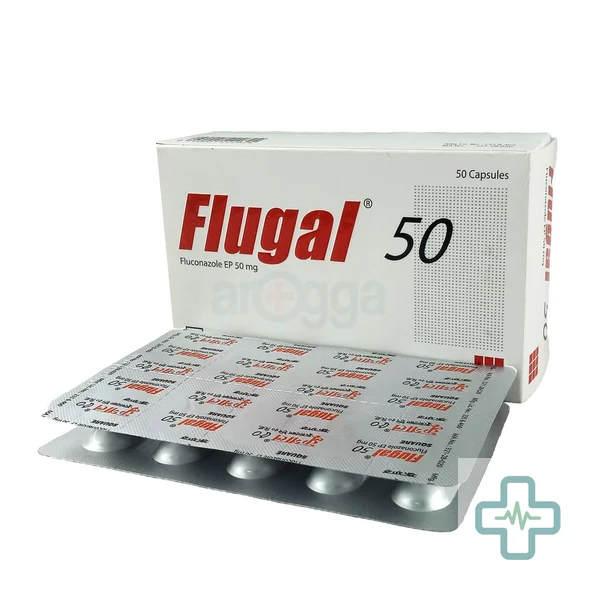
Capsule
Flugal 50 mg Capsule
Generic: Fluconazole
Manufacturer: Square Pharmaceuticals PLC, Pabna
Therapeutic class: Antifungal (Triazole)
What is Flugal used for?
Flugal 50 mg Capsule contains fluconazole, a triazole antifungal medicine from Square Pharmaceuticals PLC. It is used for fungal infections caused by susceptible organisms, including Candida infections and certain other yeast-related infect…
Price in Bangladesh
| Pack | Price (BDT) |
|---|---|
| Per capsule | ৳ 8.07 |
| Strip of 10 | ৳ 80.70 |
Prices are indicative — actual retail price may vary by pharmacy.
What is Flugal?
Flugal 50 mg Capsule contains fluconazole, a triazole antifungal medicine from Square Pharmaceuticals PLC. It is used for fungal infections caused by susceptible organisms, including Candida infections and certain other yeast-related infections, as advised by a healthcare professional.
Flugal 50 mg capsule is an antifungal medicine from Square Pharmaceuticals PLC, Pabna containing Fluconazole. It is prescribed for fungal infections such as vaginal candidiasis (thrush), oral and oesophageal candidiasis, fungal skin infections, and certain serious systemic fungal infections like cryptococcal meningitis. In Bangladesh's hot and humid climate, fungal infections are common, and Flugal is one of the most frequently used oral antifungals.
Fluconazole works by blocking an enzyme fungi need to build ergosterol, an essential part of their cell membrane. Without ergosterol the fungal cell membrane becomes leaky and the fungus cannot grow or survive. Because it is well absorbed by mouth and reaches most body tissues, a single dose is enough for some infections while others need a longer course.
Indications
- Vaginal candidiasis (vaginal thrush)
- Oral and oesophageal candidiasis
- Fungal skin infections (tinea/ringworm, pityriasis versicolor)
- Fungal nail infections (onychomycosis)
- Cryptococcal meningitis and other systemic fungal infections
- Prevention of fungal infections in immunocompromised patients
Dosage & Administration
The dose of Flugal depends entirely on the type of infection. For vaginal thrush, a single 150 mg dose is often sufficient. Skin infections may need 150 mg once weekly for 2–4 weeks, while nail or systemic infections need higher doses for weeks to months. Only your doctor can decide whether you need a single dose or a longer course — do not guess by yourself. Flugal can be taken with or without food. Children's doses are based on body weight and must be set by a doctor.
This is an antifungal — if a course is prescribed, complete it fully even when symptoms improve, and do not use it without a prescription.
Side Effects
Fluconazole is generally well tolerated. Common side effects include nausea, abdominal discomfort, diarrhoea, headache, and skin rash. Less commonly it may alter taste or cause dizziness. Rare but serious effects include liver problems (yellowing of eyes or skin, dark urine, persistent vomiting), severe skin reactions with blistering or peeling, and heart rhythm changes at high doses. Stop the medicine and see a doctor immediately if any of these serious signs appear.
Precautions & Warnings
Use fluconazole with caution if you have liver disease, kidney disease, or heart rhythm problems (long QT). Your doctor may adjust the dose in kidney impairment for multi-dose courses. If a rash develops during treatment, report it promptly; stop the drug if the rash spreads or blisters. People with recurrent thrush (four or more episodes a year) should see a doctor to look for underlying causes such as diabetes rather than repeatedly self-treating.
Drug Interactions
Fluconazole inhibits liver enzymes and raises the levels of many drugs, including warfarin (bleeding risk), phenytoin, sulfonylurea diabetes medicines like glibenclamide and glimepiride (risk of low blood sugar), statins (muscle damage risk), and tacrolimus or ciclosporin. It must not be combined with cisapride, terfenadine, or erythromycin in high doses due to dangerous heart rhythm effects. Rifampicin lowers fluconazole levels. Tell your doctor and pharmacist about every medicine you take.
Contraindications
Fluconazole is contraindicated in people with known allergy to fluconazole or other azole antifungals. It must not be taken with cisapride or terfenadine. Repeated or high-dose use is contraindicated in pregnancy unless a specialist decides otherwise. Significant caution or avoidance applies in severe liver disease and in patients with congenital long QT syndrome.
Pregnancy & Lactation
Pregnancy: Avoid fluconazole in pregnancy, especially repeated or high doses in the first trimester, which have been linked to birth defects and miscarriage risk. For vaginal thrush in pregnancy, doctors usually prefer topical treatments. Lactation: A single 150 mg dose is generally considered compatible with breastfeeding, but longer courses should only be used on a doctor's advice. Always inform your doctor if pregnant or breastfeeding.
Storage Conditions
Store below 30°C in a dry place away from direct sunlight and moisture. Keep capsules in the original blister pack until use and keep all medicines out of the reach of children. Reconstituted suspensions should be used within the period stated on the label. Do not use after the expiry date.
Frequently Asked Questions
Is one capsule of Flugal enough to cure my infection?
How long does Flugal take to work for vaginal thrush?
Can I take Flugal with my diabetes or blood-thinning medicines?
Last updated: