
Generic
Ciprofloxacin
Brand medicines containing Ciprofloxacin available in Bangladesh — compare prices, strengths and manufacturers.
Ciprofloxacin brands in Bangladesh
Showing 1–24 of 478 medicines
Acivet Cipro 5 gm/100 ml Injection
Ciprofloxacin
Advanced Chemical Industries Limited
Acivet Cipro 20% 200 gm/KG Powder
Ciprofloxacin
Advanced Chemical Industries Limited
Acivet-Cipro Oral Solution 10 gm/100 ml
Ciprofloxacin
Advanced Chemical Industries Limited
Adcipcin 10 gm/100 ml Solution
Ciprofloxacin
Advent Pharma Ltd.

Adecin 500 mg Tablet
Ciprofloxacin
Supreme Pharmaceuticals Ltd.
Adecin 250 mg/5 ml Powder For Suspension
Ciprofloxacin
Supreme Pharmaceuticals Ltd.
Alcipro 10 gm Solution
Ciprofloxacin
Al-Madina Pharmaceuticals Ltd.

Amiflox 500 mg Tablet
Ciprofloxacin
Amico Laboratories Ltd.

Amiflox 750 mg Tablet
Ciprofloxacin
Amico Laboratories Ltd.
Amiflox 250 mg/5 ml Powder For Suspension
Ciprofloxacin
Amico Laboratories Ltd.
Ancipro 250 mg Tablet
Ciprofloxacin
Unimed Unihealth Pharmaceuticals Ltd.
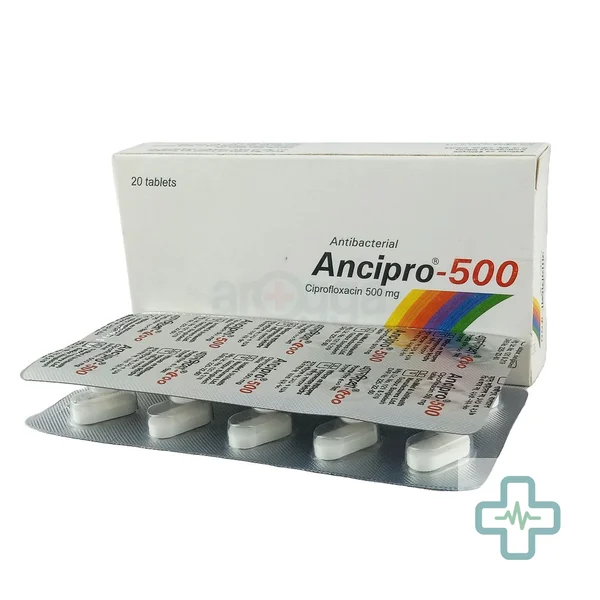
Ancipro 500 mg Tablet
Ciprofloxacin
Unimed Unihealth Pharmaceuticals Ltd.
Ancipro 750 mg Tablet
Ciprofloxacin
Unimed Unihealth Pharmaceuticals Ltd.
Ancipro 250 mg/5 ml Powder For Suspension
Ciprofloxacin
Unimed Unihealth Pharmaceuticals Ltd.
Angyl 250 mg Capsule
Ciprofloxacin
Marker Pharmaceuticals Ltd.
Angyl 500 mg Capsule
Ciprofloxacin
Marker Pharmaceuticals Ltd.
Angyr 250 mg/5 ml Powder For Suspension
Ciprofloxacin
Marker Pharmaceuticals Ltd.

Aprocin 250 mg Tablet
Ciprofloxacin
Aristopharma Limited
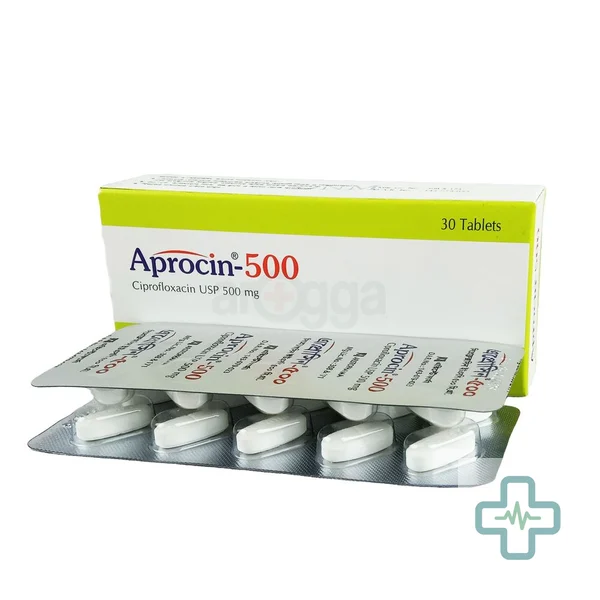
Aprocin 500 mg Tablet
Ciprofloxacin
Aristopharma Limited
Veterinary products
Acivet Cipro 1 gm Bolus
Ciprofloxacin
Advanced Chemical Industries Limited
AdCflox (Vet) 1 gm Bolus
Ciprofloxacin
Adova Pharmaceuticals Ltd.
AdCflox (Vet) 10 gm/100 ml Solution
Ciprofloxacin
Adova Pharmaceuticals Ltd.
Adcipcin 1 gm Bolus
Ciprofloxacin
Advent Pharma Ltd.
Alcipro 750 mg Bolus
Ciprofloxacin
Al-Madina Pharmaceuticals Ltd.
All Ciprofloxacin brands (478)
- Acivet Cipro 20% 200 gm/KG Powder
- Acivet Cipro 5 gm/100 ml Injection
- Acivet-Cipro Oral Solution 10 gm/100 ml
- Adcipcin 10 gm/100 ml Solution
- Adecin 250 mg/5 ml Powder For Suspension
- Adecin 500 mg Tablet
- Alcipro 10 gm Solution
- Amiflox 250 mg/5 ml Powder For Suspension
- Amiflox 500 mg Tablet
- Amiflox 750 mg Tablet
- Ancipro 250 mg Tablet
- Ancipro 250 mg/5 ml Powder For Suspension
- Ancipro 500 mg Tablet
- Ancipro 750 mg Tablet
- Angyl 250 mg Capsule
- Angyl 500 mg Capsule
- Angyr 250 mg/5 ml Powder For Suspension
- Aprocin 125 mg/5 ml Powder For Suspension
- Aprocin 200 mg/100 ml IV Infusion
- Aprocin 250 mg Tablet
- Aprocin 250 mg/5 ml Powder For Suspension
- Aprocin 300 mg/100 gm Eye Ointment
- Aprocin 300 mg/100 ml Eye Drops
- Aprocin 500 mg Tablet
- Aprocin 750 mg Tablet
- Aprocin Ophthalmic Solution 300 mg/100 ml Eye Drops
- Armycin-500 mg Tablet
- Bacfre 750 mg Tablet
- Bactiflox 250 mg Tablet
- Bactiflox 500 mg Tablet
- Bactin 250 mg Tablet
- Bactin 250 mg/5 ml Powder For Suspension
- Bactin 300 mg/100 gm Eye Ointment
- Bactin 300 mg/100 ml Eye Drops
- Bactin 500 mg Tablet
- Bactin 750 mg Tablet
- Bactin IV Infusion 200 mg/100 ml
- Benprox 250 mg/5 ml Powder For Suspension
- Benprox 500 mg Tablet
- Benprox 750 mg Tablet
- Beuflox 125 mg Powder For Suspension
- Beuflox 200 mg/100 ml IV Infusion
- Beuflox 250 mg Tablet
- Beuflox 250 mg/5 ml Granules For Suspension
- Beuflox 250 mg/5 ml Powder For Suspension
- Beuflox 300 mg/100 ml Eye Drops
- Beuflox 500 mg Tablet
- Beuflox Eye Drops 300 mg/100 ml
- Biflox 250 mg Tablet
- Biflox 500 mg Tablet
- Biflox 750 mg Tablet
- Cap-500 mg Tablet
- Captiva 250 mg/5 ml Powder For Suspension
- Captiva-500 mg Tablet
- Ceprocon 250 mg/5 ml Powder For Suspension
- Ceprocon Pellets forSuspension 250 mg/5 ml Pellets For Suspension
- Cero 250 mg Tablet
- Cero 300 mg/100 gm Eye Ointment
- Cero 300 mg/100 ml Eye Drops
- Cero 500 mg Tablet
- Cero 750 mg Tablet
- Cibact 250 mg/5 ml Powder For Suspension
- Cibact 500 mg Tablet
- Cibact-750 mg Tablet
- Cidaflox 10 gm Solution
- Ciflocin 500 mg Tablet
- Ciflox 250 mg Tablet
- Cifloxin 250 mg/5 ml Powder For Suspension
- Cifloxin 500 mg Tablet
- Cilocin 300 mg/100 ml Eye Drops
- Cilocin 500 mg Tablet
- Cilocin XR 1 gm Sr Tablet
- Cip 300 mg/100 gm Eye Ointment
- Cip 300 mg/100 ml Eye and Ear Drops
- Cip 500 mg Tablet
- Cip 750 mg Tablet
- Cipcin 200 mg/100 ml IV Infusion
- Cipcin 250 mg Tablet
- Cipcin 250 mg/5 ml Powder For Suspension
- Cipcin 300 mg/100 ml Eye Drops
- Cipcin 500 mg Tablet
- Cipex 250 mg Tablet
- Cipex 500 mg Tablet
- Cipex 750 mg Tablet
- Cipex Powder for Suspension 250 mg/5 ml Pellets For Suspension
- Cipic 500 mg Tablet
- Ciplon 200 mg/100 ml IV Infusion
- Ciplon 500 mg Tablet
- Ciplon DS IV 400 mg/100 ml IV Infusion
- Ciplos 400 mg/100 ml IV Infusion
- Ciploxin 250 mg Tablet
- Ciploxin 500 mg Tablet
- CIPMED 500 mg Tablet
- Ciporate 500 mg Tablet
- Ciprin 300 mg/100 gm Eye Ointment
- Ciprin 300 mg/100 ml Eye Drops
- Ciprin 500 mg Tablet
- Cipro 10 gm Solution
- Cipro 200 mg/100 ml IV Infusion
- Cipro 250 mg Tablet
- Cipro 250 mg/5 ml Powder For Suspension
- Cipro 300 mg/100 ml Eye Drops
- Cipro 50 mg/ml Injection
- Cipro 500 mg Tablet
- Cipro 750 mg Tablet
- Cipro-A 250 mg Tablet
- Cipro-A 250 mg/5 ml Powder For Suspension
- Cipro-A 500 mg Tablet
- Cipro-A 750 mg Tablet
- Cipro-I 750 mg Tablet
- Cipro-M 250 mg/5 ml Powder For Suspension (Modern)
- Ciproaid 250 mg Tablet
- Ciprob 500 mg Tablet
- Ciprobac 500 mg Capsule
- Ciprobey 250 mg/5 ml Powder For Suspension
- Ciprobey 500 mg Tablet
- Ciprocap 250 mg Capsule
- Ciprocap 500 mg Capsule
- Ciprocel 500 mg Tablet
- Ciprocin 200 mg/100 ml IV Infusion
- Ciprocin 250 250 mg Tablet
- Ciprocin 250 mg Tablet
- Ciprocin 250 mg/5 ml Powder For Suspension
- Ciprocin 300 mg/100 ml Eye Drops
- Ciprocin 500 500 mg Tablet
- Ciprocin 500 mg Tablet
- Ciprocin 750 750 mg Tablet
- Ciprocin 750 mg Tablet
- Ciprodol 500 mg Tablet
- Ciprodyl 500 mg Tablet
- Ciproflox 10 gm Solution
- Ciproflox 500 mg Tablet
- Ciproflox Solution 10 gm/100 ml
- Ciprofloxacin 200 mg/100 ml IV Infusion
- Ciprofloxacin 250 250 mg Tablet
- Ciprofloxacin 250 mg Capsule
- Ciprofloxacin 250 mg Tablet
- Ciprofloxacin 300 mg/100 ml Eye Drops
- Ciprofloxacin 500 mg Tablet
- Ciprofloxacin Hydrochloride 400 mg/100 ml IV Infusion
- Ciprofloxacin-DS 250 mg/5 ml Pellets For Suspension
- Ciprogard 50 mg/ml Injection
- Ciprogen 500 mg Tablet
- Ciproking 500 Tablet
- Ciprol 250 mg/5 ml Powder For Suspension
- Ciprol 500 mg Tablet
- Ciprolex 250 mg Tablet
- Ciprolyn 250 mg Tablet
- Ciprolyn 500 mg Tablet
- Ciprom 250 mg Tablet
- Ciprom 250 mg/5 ml Powder For Suspension (Millat)
- Ciprom 500 mg Tablet
- Cipromaf 250 mg Tablet
- Cipromaf 500 mg Tablet
- Cipromet 250 mg Tablet
- Cipromet 500 mg Tablet
- Cipromin 500 mg Tablet
- Cipromin 750 mg Tablet
- Cipron 200 mg/100 ml IV Infusion
- Cipron 250 mg/5 ml Powder For Suspension
- Cipron 500 mg Tablet
- Cipronaaf 500 mg Tablet
- Cipronil 250 mg/5 ml Powder For Suspension
- Cipronil 500 mg Tablet
- Cipronil 750 mg Tablet
- Ciproquin 250 mg Tablet
- Ciproquin 500 mg Tablet
- Ciproset 50 mg/ml Injection
- Ciprosic 250 mg/5 ml Pellets For Suspension
- Ciprosic 500 mg Tablet
- Ciprosic 750 mg Tablet
- Ciprosol 10 gm Solution
- Ciprotec 250 mg/5 ml Powder For Suspension
- Ciprotim 500 mg Tablet
- Ciproton 500 mg Tablet
- Ciprovet 10 gm/100 ml Solution
- Ciprox 0.3% Eye/Ear Drops 300 mg/100 ml Eye and Ear Drops
- Ciprox 1 gm Xr Tablet
- Ciprox 200 mg/100 ml IV Infusion
- Ciprox 250 mg/5 ml Powder For Suspension
- Ciproxen 250 mg Tablet
- Ciproxen 500 mg Tablet
- Ciproxia 250 mg/5 ml Powder For Suspension
- Ciproxia 500 mg Tablet
- Ciproxim 250 mg Tablet
- Ciproxim 500 mg Tablet
- Ciproxy 200 mg/100 ml IV Infusion
- Ciproxy 300 mg/100 gm Eye Ointment
- Ciproxy 300 mg/100 ml Eye and Ear Drops
- Ciproxy 300 mg/100 ml Eye Drops
- Ciprozid 200 mg/100 ml IV Infusion
- Ciprozid 250 mg/5 ml Pellets For Suspension
- Ciprozid 250 mg/5 ml Powder For Suspension
- Ciprozid 300 mg/100 ml Eye Drops
- Ciprozid 500 mg Tablet
- Ciprozid 750 mg Tablet
- Ciprozid Sterile Eye & Ear Dro 300 mg/100 ml Eye and Ear Drops
- Ciprozid XR 1000 1 gm Sr Tablet
- Ciprozid-250 Tablet
- Ciprozid-750 Tablet
- Ciprozid-DS Tablet 500 mg
- Cipryl 20 WS Powder 200 gm/KG
- Cipryl 5 gm/100 ml Injection
- Cipryl Solution 10 gm/100 ml
- Ciptec 250 mg/5 ml Powder For Suspension
- Ciptec 500 mg Tablet
- Ciptec 750 mg Tablet
- Ciptec-AL 10 gm/100 ml Solution
- Cipwell 500 mg Tablet
- Cirotab 750 mg Tablet
- Civox 1 gm Sr Tablet
- Civox 125 mg/5 ml Powder For Suspension
- Civox 250 mg/5 ml Powder For Suspension
- Civox 300 mg/100 ml Eye Drops
- Civox 50 mg/ml Injection
- Civox IV 200 mg/100 ml IV Infusion
- CX 500 mg Tablet
- Cyrus 500 mg Tablet
- D Floxin 250 mg Tablet
- D Floxin 500 mg Tablet
- D-Floxin 250 mg/5 ml Powder For Suspension
- Deflox 250 mg/5 ml Powder For Suspension
- Deflox 500 mg Tablet
- DFX 750 mg Tablet
- Doquin 500 mg Tablet
- Dumaflox 250 mg/5 ml Granules For Suspension
- Dumaflox 250 mg/5 ml Powder For Suspension
- Dumaflox 300 mg/100 gm Eye Ointment
- Dumaflox123 750 mg Tablet
- Efloxin 250 mg Tablet
- Efloxin 250 mg/5 ml Powder For Suspension
- Efloxin 500 mg Tablet
- Eliprox 500 mg Tablet
- Entiflox 500 500 mg Tablet
- Entiflox 500 mg Tablet
- Fiprox 250 mg Tablet
- Fiprox 500 mg Tablet
- Fiprox 750 mg Tablet
- Flocip 250 mg/5 ml Powder For Suspension
- Flontin 200 mg/100 ml IV Infusion
- Flontin 250 mg Tablet
- Flontin 250 mg/5 ml Powder For Suspension
- Flontin 300 mg/100 ml Eye Drops
- Flontin 500 mg Tablet
- Flontin 750 mg Tablet
- Flontin Oral Suspension 250 mg/5 ml Powder For Suspension
- Florocin 125 mg/5 ml Pellets For Suspension
- Florocin 125 mg/5 ml Powder For Suspension
- Florocin 250 mg/5 ml Powder For Suspension
- Florocin 500 mg Tablet
- Floxa 500 mg Tablet
- Floxabid 1 gm Sr Tablet
- Floxabid 200 mg/100 ml IV Infusion
- Floxabid 250 mg/5 ml Powder For Suspension
- Floxabid 300 mg/100 ml Eye Drops
- Floxabid 500 mg Tablet
- Floxacin 250 mg Tablet
- Floxacin 250 mg/5 ml Powder For Suspension
- Floxacin 300 mg/100 ml Eye and Ear Drops
- Floxacin 500 mg Tablet
- Floxacin 750 mg Tablet
- Floxamask 500 mg Tablet
- Floxin 10 gm Solution
- Floxin 250 mg/5 ml Powder For Suspension
- Floxin 500 mg Tablet
- Floxitab 250 mg Tablet
- Floxitab 500 mg Tablet
- G-Cipro 500 mg Tablet
- G-Cipro Eye Drops 300 mg/100 ml
- G-Cipro IV Infusion 200 mg/100 ml
- Geflox 250 mg Tablet
- Geflox 250 mg/5 ml Pellets For Suspension
- Geflox 250 mg/5 ml Powder For Suspension
- Geflox 500 mg Tablet
- Geflox IV Infusion 200 mg/100 ml
- Glaxipro 500 mg Tablet
- Hi-Floxin 250 mg Tablet
- HI-Floxin 250 mg/5 ml Powder For Suspension
- Hiflox 1 gm Sr Tablet
- Hiflox 250 mg/5 ml Powder For Suspension
- Hiflox 500 mg Tablet
- Hiflox 750 mg Tablet
- Kapron 200 mg/100 ml IV Infusion
- Kapron 250 mg Tablet
- Kapron 250 mg/5 ml Powder For Suspension
- Kapron 300 mg/100 ml Eye Drops
- Kapron 400 mg/100 ml IV Infusion
- Kapron 500 mg Tablet
- Kapron 750 mg Tablet
- Kaprovet 10 gm Solution
- LFC-10 Solution 10 gm/100 ml
- Libracin 200 mg/100 ml IV Infusion
- Libracin 400 mg/100 ml IV Infusion
- Lox 250 mg/5 ml Powder For Suspension
- Lox 300 mg/100 ml Eye and Ear Drops
- Lox 500 mg Tablet
- Lox 750 mg Tablet
- M Flox 500 mg Tablet
- Maprocin 200 mg/100 ml IV Infusion
- Maprocin 250 mg Tablet
- Maprocin 250 mg/5 ml Powder For Suspension
- Maprocin 400 mg/100 ml IV Infusion
- Maprocin 500 mg Tablet
- Maprocin 750 mg Tablet
- Medipro 10 gm Solution
- Monipro 500 mg Tablet
- Monipro-PS 250 mg/5 ml Pellets For Suspension
- MS-Cin 500 mg Tablet
- Naxabit 250 mg/5 ml Powder For Suspension
- Naxabit 500 mg Tablet
- Neoflox 500 mg Tablet
- Neofloxin 1 gm Sr Tablet
- Neofloxin 200 mg/100 ml IV Infusion
- Neofloxin 250 mg Sachet
- Neofloxin 250 mg/5 ml Powder For Suspension
- Neofloxin 300 mg/100 ml Eye Drops
- Neofloxin 500 mg Tablet
- Novacin 500 mg Tablet
- Novaflox 500 mg Tablet
- Novaflox Granules for Suspens 250 mg/5 ml Powder For Suspension
- Nucip 500 mg Tablet
- O-Ciflox 500 mg Tablet
- Ocimax 10 gm/100 ml Solution
- Ocimax 250 mg/5 ml Pellets For Suspension
- Ocimax 500 mg Tablet
- Octabid 250 mg Tablet
- Octabid 500 mg Tablet
- Orbiflox 250 mg/5 ml Powder For Suspension
- Orbiflox 500 mg Tablet
- Orbiflox 750 mg Tablet
- Orciflox 10 gm Solution
- Orcipro 500 mg Tablet
- Oroflox 500 mg Tablet
- Oxpro 250 mg Tablet
- Oxpro 500 mg Tablet
- Pancipro 500 mg Tablet
- Peoflox 500 mg Tablet
- Phoenix Ciprofloxacin 500 mg Tablet
- Polflox 10 gm/100 ml Solution
- Preofloxin 250 mg/5 ml Powder For Suspension
- Preofloxin 500 mg Tablet
- Procin 250 mg Tablet
- Procin 250 mg/5 ml Powder For Suspension
- Procin 300 mg/100 ml Eye Drops
- Procin 500 mg Tablet
- Procin 750 mg Tablet
- Procin IV 200 mg/100 ml IV Infusion
- Profloxin 500 mg Tablet
- Proxacin 50 mg/ml Injection
- Qnol 500 mg Tablet
- Quinobid 500 Tablet
- Quinobid 750 Tablet
- Quinocin 500 mg Tablet
- Quinocin 750 mg Tablet
- Quinocin PFS 250 mg/5 ml Powder For Suspension
- Quinox 250 mg Tablet
- Quinox 250 mg/5 ml Powder For Suspension
- Quinox 500 mg Tablet
- Quinox 750 mg Tablet
- Quintor 200 mg/100 ml IV Infusion
- Quintor 250 mg/5 ml Powder For Suspension
- Quintor 400 mg/100 ml IV Infusion
- Quintor 500 mg Tablet
- Quintor 750 mg Tablet
- Raciprox 250 mg/5 ml Powder For Suspension
- Raciprox 500 mg Tablet
- Ranflox 500 mg Tablet
- Ranflox 750 mg Tablet
- Renaflox 200 gm/KG Powder
- Ridocin 500 mg Tablet
- RN Cipro 500 mg Tablet
- Rocipro 300 mg/100 ml Eye Drops
- Rocipro 500 mg Tablet
- Rocipro 750 mg Tablet
- Roflox 250 mg Capsule
- Roflox 300 mg/100 ml Eye Drops
- Roflox 500 mg Tablet
- Roflox 750 mg Tablet
- Saflox 500 mg Tablet
- Serviflox 250 mg Tablet
- Serviflox 500 mg Tablet
- Serviflox 750 mg Tablet
- Silflox 500 mg Tablet
- Siviflox 500 mg Tablet
- Spectra 300 mg/100 ml Eye Drops
- Spectra 500 mg Tablet
- Supercin 500 mg Tablet
- Sypron 250 mg/5 ml Powder For Suspension
- Sypron 500 mg Tablet
- Teriflox 250 mg Tablet
- Teriflox 500 mg Tablet
- Tyfinor 500 mg Tablet
- Tyflox 250 mg/5 ml Powder For Suspension
- Tyflox 750 mg Tablet
- Ulcip 500 mg Tablet
- Uniflox 500 mg Tablet
- Uprocin 500 mg Tablet
- Virflox 500 mg Tablet
- Winbac 500 mg Tablet
- Xbac 200 mg/100 ml IV Infusion
- Xbac 250 mg/5 ml Powder For Suspension
- Xbac 500 mg Tablet
- Xbac 750 mg Tablet
- Xefloxin 10 gm Solution
- Xefloxin 250 mg Tablet
- Xefloxin 500 mg Tablet
- Xefloxin 750 mg Tablet
- Xeoflox 500 mg Tablet
- Xirocip 1 gm Sr Tablet
- Xirocip 200 mg/100 ml IV Infusion
- Xirocip 400 mg/100 ml IV Infusion
- Zeprox 125 mg/5 ml Powder For Suspension
- Zeprox 300 mg/100 ml Eye and Ear Drops
Veterinary products
- Acivet Cipro 1 gm Bolus
- AdCflox (Vet) 1 gm Bolus
- AdCflox (Vet) 10 gm/100 ml Solution
- Adcipcin 1 gm Bolus
- Alcipro 750 mg Bolus
- Benasol (Vet) 10 gm/100 ml Solution
- Beuflox Vet 1 gm Bolus
- Beuflox Vet 10 gm/100 ml Solution
- Beuflox-Vet 50 mg/ml Injection
- BK-Cflox 10 gm/100 ml Solution
- BK-Cflox 1000 Bolus 1 gm
- BK-Cflox 20 200 gm/KG Powder
- C-FLO (VET) 1.5 gm/30 ml Injection
- C-Flo (Vet) 10 gm/100 ml Solution
- C-Flo Vet 1 gm Bolus
- Cfcin Vet Inj (Vet) 50 mg/ml Injection
- Cfcin Vet Solution 10 gm/100 ml
- Cipcin (Vet) 10 gm/100 ml Suspension
- Cipcin Vet 1 gm Bolus
- Cipro-A Vet 10 ml 500 mg/10 ml Injection
- Cipro-A Vet 100 ml 5 gm/100 ml Injection
- Cipro-A Vet 30 ml 1.5 gm/30 ml Injection
- Cipro-SP (Vet) 1 gm Bolus
- Cipro-SP (Vet) 200 gm/KG Powder
- Ciprocare 10% Vet 10 gm/100 ml Solution
- Ciprocare Vet 10% Powder
- Ciprocin-Vet 1 gm Bolus
- Ciproflox (Vet) Bolus 1 gm
- Ciprofloxacin 1 gm Bolus
- Ciprofloxacin 10% Vet 10 gm/100 ml Solution
- Ciproguard 1 gm Bolus
- Ciprogurad 750 mg Bolus
- Ciprol Vet 10 gm/100 ml Solution
- Cipronaf (Vet) 10 gm/100 ml Solution
- Ciprovion Bolus 1 gm
- Ciprovion-Vet Oral Solution 10 gm/100 ml
- Ciptec-Al 20% Vet 200 gm/KG Powder
- Ciptec-Al Vet 1 gm Bolus
- Ciptec-Al Vet 750 mg Bolus
- Ciptin Vet 1 gm Bolus
- Civox Vet 1 gm Bolus
- CPL Bolus (Vet) 1 gm Bolus
- CPL Liquid (Vet) 10 gm/100 ml Solution
- Floxin 750 mg Bolus
- Geflox 20 Vet WSP 200 gm/KG Powder
- Kaprovet Bolus 1 gm
- LFC (Vet) 750 mg Bolus
- LFC-20 (Vet) Powder 200 gm/KG
- New cip til vet 1 gm Bolus
- Ocimax 20 WSP (Vet) 200 gm/KG Powder
- Ocimax Vet 1 gm Bolus
- Orciflox 750 mg Bolus
- Peercirpo Solution (Vet) 10 gm/100 ml Solution
- Polflox 750 mg Bolus
- Procin 750 mg Bolus
- Procin Vet 10 gm/100 ml Solution
- Proxacin 1 gm Bolus
- Q-Vet 750 mg Bolus
- Quinox-D Vet 10 gm Solution
- Quninox D Vet 10 gm/100 ml Suspension
- Remeflox C (Vet) 1 gm Bolus
- Remeflox C (Vet) 750 mg Bolus
- Renaflox (Vet) 1 gm Bolus
- Renaflox (Vet) 50 mg/ml Injection
- Unknown 10 % Powder
What is Ciprofloxacin?
Ciprofloxacin is a fluoroquinolone antibiotic medicine available in Bangladesh under many brand names. Below are its uses, side effects and precautions — and every brand with its current price.
What is Ciprofloxacin used for?
- Complicated and uncomplicated urinary tract infections
- Typhoid and paratyphoid fever (enteric fever)
- Bacterial gastroenteritis and traveller's diarrhoea
- Certain respiratory tract infections
- Bone, joint, and skin/soft-tissue infections
- Some sexually transmitted and abdominal infections
Side Effects
Most people tolerate Ciprofloxacin well, but some may experience side effects. Common ones include:
- Nausea, vomiting, diarrhoea, or abdominal discomfort
- Headache, dizziness, or trouble sleeping
- Skin rash or itching
Rare but serious effects include tendon pain or swelling (especially the Achilles tendon), which can rarely lead to rupture, as well as nerve tingling, mood changes, or an irregular heartbeat. Stop Ciprofloxacin and seek medical help immediately if you notice sudden tendon pain, severe allergic reactions, or seizures.
Precautions & Warnings
Ciprofloxacin is a prescription-only antibiotic — never self-medicate. Take it only when a registered doctor prescribes it for you, and never share it with family or buy it over the counter. Always complete the full prescribed course, even if you feel completely better after a few days; stopping early lets the strongest bacteria survive and come back harder to treat.
Antibiotic resistance is a serious national health crisis in Bangladesh, and misuse of medicines like Ciprofloxacin makes it worse. Tell your doctor if you have tendon problems, epilepsy, kidney disease, or a heart-rhythm disorder. Avoid heavy sun exposure and limit strenuous exercise during treatment.
Drug Interactions
Ciprofloxacin can interact with several medicines and products. Tell your doctor about everything you take. Important interactions include:
- Dairy products, antacids, iron, zinc, and calcium — reduce absorption; separate by at least 2 hours
- Theophylline and tizanidine — levels can rise dangerously
- Warfarin — increased bleeding risk
- NSAID painkillers — higher risk of seizures
- Medicines that affect heart rhythm (QT-prolonging drugs)
Contraindications
Do not take Ciprofloxacin if you:
- Have had an allergic reaction to ciprofloxacin or other fluoroquinolone antibiotics
- Have previously developed tendon problems after taking a fluoroquinolone
- Are taking tizanidine
It is generally avoided in children and adolescents unless a specialist decides the benefit outweighs the risk, and used with great caution in people with epilepsy, myasthenia gravis, or known heart-rhythm problems.
Pregnancy & Lactation
Ciprofloxacin is generally not recommended during pregnancy unless there is no safer alternative, because of concerns about its effect on developing joints and cartilage. If you are pregnant or planning a pregnancy, tell your doctor so a safer antibiotic can be chosen.
The drug passes into breast milk, so it is usually avoided while breastfeeding. Discuss the risks and benefits with your doctor, who may recommend an alternative or advise pausing breastfeeding.
Storage
Store Ciprofloxacin in a cool, dry place below 30°C, away from direct sunlight and moisture. Keep it in its original pack and well out of the reach of children. Do not use the medicine after its expiry date, and return any leftover tablets to a pharmacy rather than keeping them for future use.
Frequently asked questions about Ciprofloxacin
Why should I avoid milk and antacids around the time I take Ciprofloxacin?
I felt sudden ankle pain after starting Ciprofloxacin — what should I do?
General information about Ciprofloxacin, written from a shared template for every medicine with this ingredient by the ChamberBD content team. This page has not been individually reviewed by a clinician and does not replace a doctor's advice — always follow your doctor's prescription.