 Chamber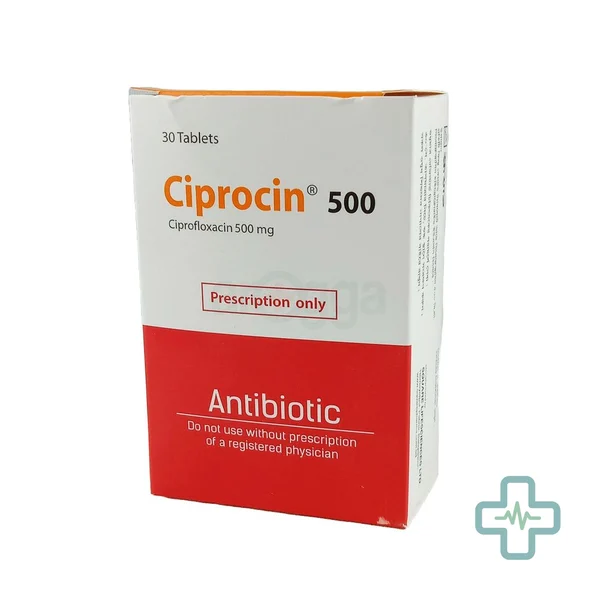
Tablet
Ciprocin 500 500 mg Tablet
Generic: Ciprofloxacin
Manufacturer: Square Lifesciences Limited, Pabna
Therapeutic class: Fluoroquinolone antibiotic
What is Ciprocin 500 used for?
Ciprocin 500 is a ciprofloxacin 500 mg tablet from Square Lifesciences Limited, Pabna. It is a fluoroquinolone antibiotic used to treat certain bacterial infections, commonly including urinary tract, respiratory, gastrointestinal, skin, and…
Price in Bangladesh
| Pack | Price (BDT) |
|---|---|
| Per tablet | ৳ 15.05 |
| Strip of 10 | ৳ 150.50 |
Prices are indicative — actual retail price may vary by pharmacy.
What is Ciprocin 500?
Ciprocin 500 is a ciprofloxacin 500 mg tablet from Square Lifesciences Limited, Pabna. It is a fluoroquinolone antibiotic used to treat certain bacterial infections, commonly including urinary tract, respiratory, gastrointestinal, skin, and soft tissue infections when caused by susceptible bacteria.
Ciprocin 500 500 mg tablet by Square Lifesciences Limited, Pabna contains Ciprofloxacin, a broad-spectrum fluoroquinolone antibiotic. It is prescribed to treat a wide range of bacterial infections, including certain urinary tract, gastrointestinal, respiratory, bone, and skin infections, as well as typhoid fever. Ciprocin 500 is a prescription-only medicine and should be taken strictly under a registered doctor's guidance.
Ciprofloxacin works by blocking two bacterial enzymes, DNA gyrase and topoisomerase IV, that bacteria need to copy and repair their genetic material. Without these enzymes the bacteria cannot multiply and are quickly killed. Because it acts only on bacteria, Ciprocin 500 has no effect on viral illnesses such as the common cold, flu, or most sore throats.
Indications
- Complicated and uncomplicated urinary tract infections
- Typhoid and paratyphoid fever (enteric fever)
- Bacterial gastroenteritis and traveller's diarrhoea
- Certain respiratory tract infections
- Bone, joint, and skin/soft-tissue infections
- Some sexually transmitted and abdominal infections
Dosage & Administration
The dose of Ciprocin 500 depends on the type and severity of the infection. For adults, typical oral courses range from about 250-750 mg twice daily for 5 to 14 days, while typhoid fever may need a longer course as decided by the doctor. Swallow the tablet with a full glass of water and stay well hydrated.
For children, the dose is calculated by body weight and must be set by a paediatrician. Take Ciprocin 500 at evenly spaced times each day, and avoid taking it together with milk, yoghurt, or antacids — separate these by at least 2 hours. Never adjust the dose yourself.
Side Effects
Most people tolerate Ciprofloxacin well, but some may experience side effects. Common ones include:
- Nausea, vomiting, diarrhoea, or abdominal discomfort
- Headache, dizziness, or trouble sleeping
- Skin rash or itching
Rare but serious effects include tendon pain or swelling (especially the Achilles tendon), which can rarely lead to rupture, as well as nerve tingling, mood changes, or an irregular heartbeat. Stop Ciprocin 500 and seek medical help immediately if you notice sudden tendon pain, severe allergic reactions, or seizures.
Precautions & Warnings
Ciprocin 500 is a prescription-only antibiotic — never self-medicate. Take it only when a registered doctor prescribes it for you, and never share it with family or buy it over the counter. Always complete the full prescribed course, even if you feel completely better after a few days; stopping early lets the strongest bacteria survive and come back harder to treat.
Antibiotic resistance is a serious national health crisis in Bangladesh, and misuse of medicines like Ciprofloxacin makes it worse. Tell your doctor if you have tendon problems, epilepsy, kidney disease, or a heart-rhythm disorder. Avoid heavy sun exposure and limit strenuous exercise during treatment.
Drug Interactions
Ciprofloxacin can interact with several medicines and products. Tell your doctor about everything you take. Important interactions include:
- Dairy products, antacids, iron, zinc, and calcium — reduce absorption; separate by at least 2 hours
- Theophylline and tizanidine — levels can rise dangerously
- Warfarin — increased bleeding risk
- NSAID painkillers — higher risk of seizures
- Medicines that affect heart rhythm (QT-prolonging drugs)
Contraindications
Do not take Ciprocin 500 if you:
- Have had an allergic reaction to ciprofloxacin or other fluoroquinolone antibiotics
- Have previously developed tendon problems after taking a fluoroquinolone
- Are taking tizanidine
It is generally avoided in children and adolescents unless a specialist decides the benefit outweighs the risk, and used with great caution in people with epilepsy, myasthenia gravis, or known heart-rhythm problems.
Pregnancy & Lactation
Ciprofloxacin is generally not recommended during pregnancy unless there is no safer alternative, because of concerns about its effect on developing joints and cartilage. If you are pregnant or planning a pregnancy, tell your doctor so a safer antibiotic can be chosen.
The drug passes into breast milk, so it is usually avoided while breastfeeding. Discuss the risks and benefits with your doctor, who may recommend an alternative or advise pausing breastfeeding.
Storage Conditions
Store Ciprocin 500 in a cool, dry place below 30°C, away from direct sunlight and moisture. Keep it in its original pack and well out of the reach of children. Do not use the medicine after its expiry date, and return any leftover tablets to a pharmacy rather than keeping them for future use.
Frequently Asked Questions
Can I stop taking Ciprocin 500 once my fever and symptoms are gone?
Why should I avoid milk and antacids around the time I take Ciprocin 500?
I felt sudden ankle pain after starting Ciprocin 500 — what should I do?
Last updated: