Chamber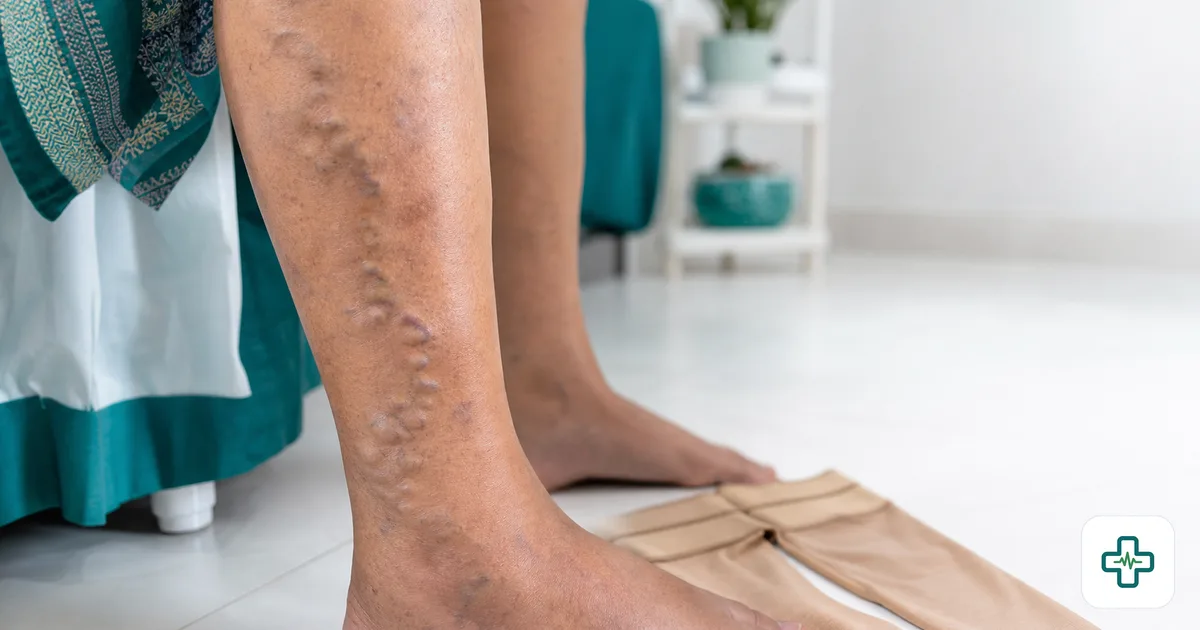
Varicose Veins: Leg Symptoms, Care and Treatment
If your legs ache and feel heavy by the end of a long day, and you can see rope-like, bluish veins bulging under the skin, you may have varicose veins. This is a very common problem in Bangladesh among teachers, shopkeepers, traffic police, garment workers and anyone who stands for hours. Varicose veins are usually more of a nuisance than a danger, but they can be uncomfortable and occasionally lead to complications. Simple daily care makes a real difference, and good treatments are available when needed.
What are varicose veins?
Veins carry blood from the legs back up to the heart, working against gravity with the help of tiny one-way valves. When these valves weaken, blood pools in the leg veins instead of flowing upward. The veins then stretch, twist and bulge, appearing as the familiar blue or purple cords under the skin, most often on the calves and inner thighs. It is the leaky valves, not dirty blood, that cause the problem.
What are the symptoms?
Beyond the visible veins, varicose veins often cause:
- Aching, heaviness or tiredness in the legs, worse after standing.
- Swelling around the ankles by the evening.
- Burning, throbbing or muscle cramps, often at night.
- Itching over a vein and dry, discoloured skin near the ankle.
- Relief when the legs are raised or after a night's rest.
What causes them or makes them worse?
Several factors raise the risk. Standing or sitting still for long hours is the biggest in our working population. Others include a family history of varicose veins, pregnancy, being overweight, increasing age and long-standing constipation that raises pressure in the belly. Women are affected more often, partly because of pregnancy and hormonal changes. None of these mean you have done anything wrong; the valves simply weaken over time.
How can you care for varicose veins at home?
Most people can ease symptoms and slow progression with simple steps. The aim is to help blood flow upward and reduce pooling:
- Avoid standing still for long; shift your weight and walk a few steps regularly.
- Raise your legs above heart level for 15 minutes a few times a day.
- Wear graduated compression stockings, especially during long standing.
- Walk daily, as the calf muscles act as a pump for the veins.
- Keep a healthy weight, eat fibre to avoid constipation, and stay hydrated.
Mild aching can be eased with simple pain relief such as paracetamol when needed, but check our medicine directory and ask a doctor rather than relying on long-term painkillers.
What treatments are available?
When symptoms are troublesome or complications appear, a vascular surgeon can offer effective treatments. These range from injection of the vein (sclerotherapy) and modern laser or radiofrequency closure to traditional surgery for larger veins. These are decided after an ultrasound scan that shows which valves are leaking. A doctor can outline your plan clearly with our free prescription tool so you understand each step.
When should you see a doctor?
See a doctor if the aching limits your daily life, the swelling is worsening, or the skin near the ankle becomes dark, hard, itchy or develops an ulcer that will not heal. Seek prompt care if a vein bleeds, or if a leg becomes suddenly painful, hot, red and swollen, which can signal a clot and needs urgent attention. A registered vascular or general surgeon can advise on the best option; you can see a relevant specialist through our list. For more on circulation and leg health, explore our more health tips.
This article is for general health education and is not a substitute for professional medical advice.
Frequently Asked Questions
Are varicose veins dangerous?
Most varicose veins are uncomfortable rather than dangerous. Occasionally they can cause skin changes, ulcers or a clot, so it is worth seeing a doctor if the skin near the ankle changes or a leg becomes suddenly painful, hot and swollen.
Do compression stockings really help?
Yes. Graduated compression stockings gently squeeze the legs to help blood flow upward, easing aching and swelling. They work best when worn during the day, especially while standing for long periods, and put on before the legs swell.
Can varicose veins go away on their own?
The bulging veins themselves do not disappear without treatment, though symptoms can improve a lot with home care. Veins that appear during pregnancy may shrink afterwards, but established varicose veins usually persist.
Will standing all day at work definitely cause varicose veins?
Long standing is a major risk factor, but not everyone who stands develops them; family history and other factors also matter. Moving regularly, wearing compression stockings and elevating your legs after work all reduce the risk.