Chamber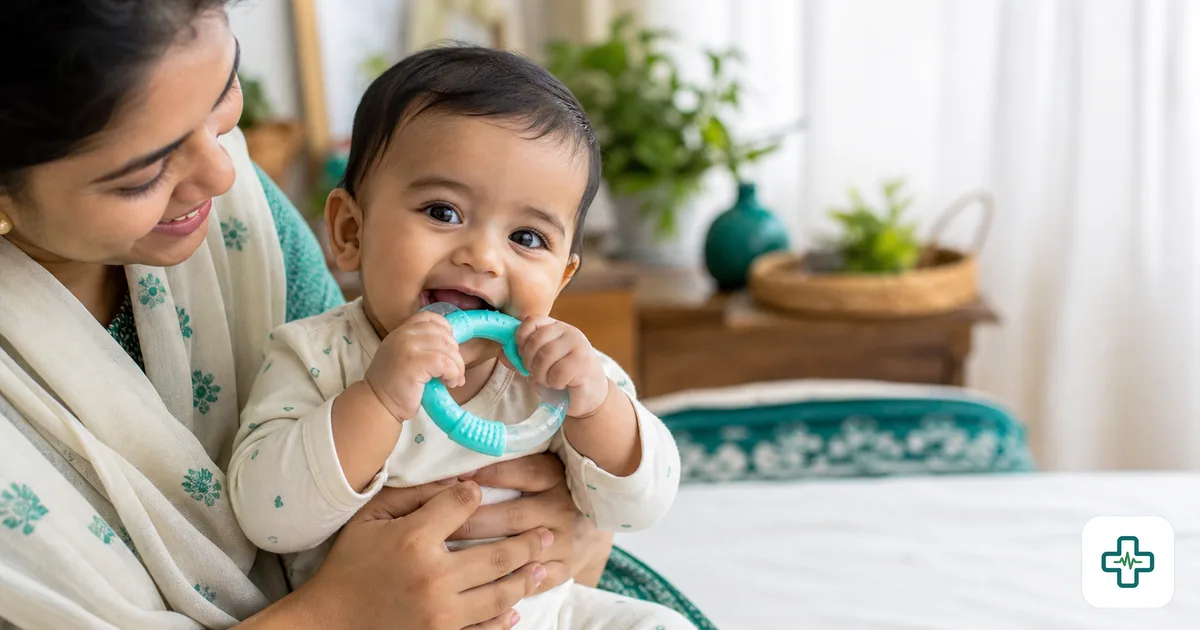
Baby Teething: Symptoms and Safe Soothing Tips
Teething is a normal milestone that worries many parents in Bangladesh, often because every fever or loose stool around that age gets blamed on the new teeth. Most babies get their first tooth between about six and ten months, though some start earlier or later, and both are perfectly normal. Teething can make a baby uncomfortable, but it is a natural process that passes. Knowing what is truly caused by teething, and what is not, helps you comfort your baby safely and avoid unnecessary worry.
When do babies start teething?
The lower front teeth usually appear first, around six months, followed gradually by the upper front teeth and the rest over the next two years. By about three years, most children have their full set of milk teeth. The exact timing varies from child to child and is influenced by family patterns, so an early or late start is rarely a problem on its own.
Normal symptoms versus signs of illness
True teething tends to cause mild, local discomfort. Typical signs include:
- Increased drooling and a wish to bite or chew on things.
- Sore, red, or swollen gums where a tooth is coming through.
- Mild irritability, disturbed sleep, or reduced appetite for a day or two.
- Flushed cheeks and rubbing of the gums, ears, or face.
Importantly, teething does not cause high fever, vomiting, or watery diarrhoea. If your baby has these, look for another cause such as an infection rather than assuming it is the teeth.
Safe ways to soothe sore gums
Gentle, simple measures usually bring the most relief:
- Let the baby chew on a clean, firm rubber teething ring.
- Gently rub the gums with a clean finger or a soft, damp cloth.
- Offer a chilled (not frozen) teether or a cool clean spoon.
- For babies on solids, safe cold foods like cucumber sticks under close watch can help.
- Wipe drool often to prevent a rash around the mouth and chin.
Remedies to avoid
Some popular practices can be harmful. Avoid teething necklaces (especially amber or beaded ones), which are a choking and strangulation risk. Do not rub honey, sugar, or alcohol on the gums, and do not use unproven gels or powders bought without advice. Never give adult painkillers or random syrups. If a doctor advises a pain reliever, only an age-appropriate option such as paracetamol from our medicine directory should be used, strictly at the dose they recommend.
Keeping new teeth healthy
Good habits from the very first tooth protect your child's smile. Clean the new teeth twice a day with a soft baby brush and a tiny smear of toothpaste. Avoid putting the baby to sleep with a bottle of milk or sweet drink, which causes early decay. Offer water rather than sugary drinks, and start regular dental checks as your child grows.
When should you see a doctor?
Teething itself rarely needs medical care, but see a doctor if your baby has:
- A high fever, persistent vomiting, or watery diarrhoea.
- Refusal to feed, unusual drowsiness, or signs of dehydration.
- Severe, constant crying that nothing seems to settle.
- No teeth at all by around 15 to 18 months, to check development.
For any of these, you can see a relevant specialist such as a paediatrician, keep a tidy symptom record with our free prescription tool, and read more practical guidance in our more health tips section.
Frequently Asked Questions
Does teething cause fever and diarrhoea?
Teething may cause a slightly raised temperature and fussiness, but it does not cause genuine high fever or watery diarrhoea. If these appear, look for a separate illness and consult a doctor rather than blaming the teeth.
Are teething necklaces safe to use?
No. Teething necklaces, including amber ones, carry a real risk of choking and strangulation and offer no proven benefit. Safe teething rings and a clean finger to rub the gums are much better choices.
Can I give my baby medicine for teething pain?
Only if a doctor advises it. An age-appropriate pain reliever like paracetamol may be suggested at the correct dose, but you should never use adult medicines, unproven gels, or anything bought on guesswork.
My baby is 11 months with no teeth. Should I worry?
Usually not. Some healthy babies simply teethe later. If there are no teeth by about 15 to 18 months, a check with a doctor or dentist is sensible to confirm normal development.
This article is for general health education only and is not a substitute for professional medical advice; please consult a qualified doctor for your child.