Chamber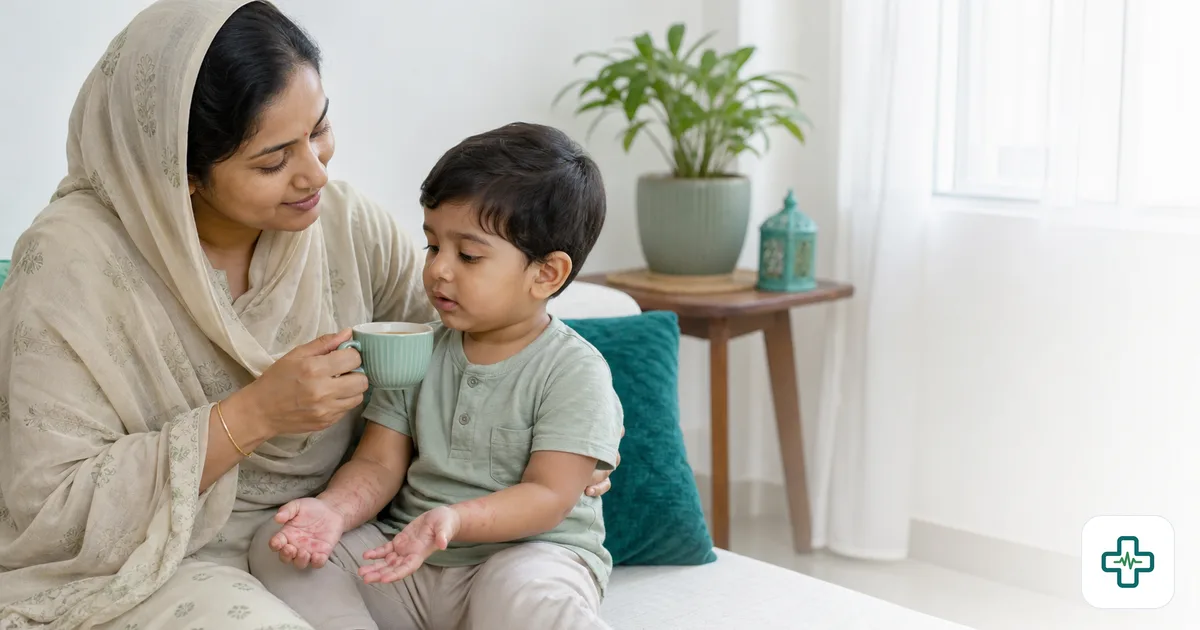
Hand, Foot and Mouth Disease in Children: Care
Hand, foot and mouth disease (HFMD) is a common childhood infection that often spreads through schools, daycares and homes, worrying many parents in Bangladesh. The name sounds alarming, but the illness is usually mild and gets better on its own within a week to ten days. Most children recover fully with gentle home care. Understanding the rash, the mouth ulcers and the simple hygiene steps that stop it spreading helps families stay calm and keep other children safe.
What is hand, foot and mouth disease?
HFMD is a viral infection most common in children under five, though older children and adults can occasionally catch it. It is caused by a group of viruses and spreads through coughs and sneezes, saliva, the fluid in the blisters, and contact with unwashed hands or surfaces. Outbreaks are common in warm, humid weather and in places where young children gather closely. It is not related to the foot-and-mouth disease seen in cattle.
What are the symptoms and warning signs?
Symptoms usually appear three to six days after exposure and follow a fairly typical pattern.
- Mild fever, sore throat and reduced appetite at first.
- Painful small ulcers or blisters inside the mouth, on the tongue and gums.
- A rash of small red spots or blisters on the palms, soles, and sometimes the buttocks and knees.
- Fussiness, drooling and reluctance to eat or drink because of mouth pain.
The illness is usually mild, but watch for danger signs such as refusing all fluids, very few wet nappies, high fever that will not settle, drowsiness, persistent vomiting, or a stiff neck, which need prompt medical attention.
How can you care for your child at home?
Home care focuses on keeping your child comfortable and well hydrated while the virus passes. A few gentle measures help a great deal.
- Offer plenty of cool fluids — water, milk, oral saline (ORS) and cool yoghurt drinks.
- Give soft, bland foods and avoid spicy, salty or acidic items that sting the mouth.
- Use paracetamol for fever or pain at the dose your doctor advises; you can read about it in the medicine directory.
- Let cool foods like custard, ice cream or chilled fruit soothe a sore mouth.
- Keep the rash clean and do not burst the blisters.
Avoid giving aspirin to children, and never use leftover or shared medicines; a doctor or pharmacist can confirm the right paracetamol dose for your child's weight.
How can you stop it spreading?
HFMD spreads easily, so good hygiene protects siblings, classmates and parents.
- Wash hands often with soap, especially after nappy changes and before meals.
- Keep your child home from school or daycare until the fever is gone and they feel better.
- Do not share cups, spoons, towels or toys during the illness.
- Clean and disinfect toys, surfaces and door handles regularly.
- Teach children to cover coughs and sneezes and to wash their hands.
When should you see a doctor?
See a doctor if your child cannot drink and shows signs of dehydration, has a high fever that will not come down, becomes very drowsy or unusually irritable, vomits repeatedly, develops a stiff neck, or if symptoms worsen instead of improving after a few days. Very young babies and children with other illnesses should be checked earlier. You can find a paediatrician through our list of registered doctors, and explore more health tips on child health. This article gives general information only and is not a substitute for advice from a qualified doctor.
Frequently Asked Questions
How long is hand, foot and mouth disease contagious?
A child is most contagious during the first week of illness, but the virus can stay in the stool for several weeks. Keep your child home until the fever has gone and they feel well, and keep up careful hand washing even after they return to school.
What can my child eat with painful mouth ulcers?
Offer soft, cool and bland foods such as yoghurt, custard, mashed potato, khichuri, ice cream and cool milk. Avoid spicy, salty, citrus or very hot foods that sting. Keeping fluids up is more important than solid food for the first day or two.
Should my child take antibiotics for HFMD?
No. HFMD is caused by a virus, so antibiotics do not help. Care is supportive — fluids, soft food and paracetamol for pain or fever. Only see a doctor for danger signs or if a separate bacterial infection is suspected; never give antibiotics on your own.
Can adults catch hand, foot and mouth disease?
Yes, although it is far more common in young children. Adults and older siblings can catch it, sometimes with milder symptoms. Good hand washing and not sharing utensils or towels with a sick child reduce the chance of it spreading through the household.