Chamber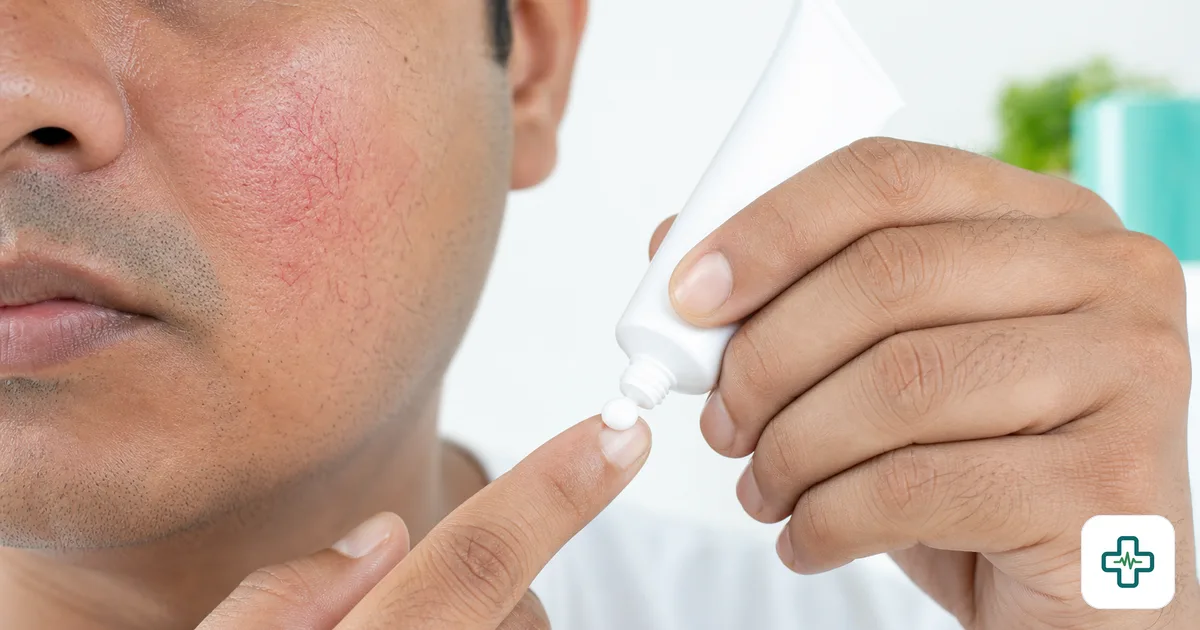
Steroid Cream Misuse: Hidden Skin Damage
In many Bangladeshi homes a tube of skin cream is treated like a magic fix for every itch, dark spot or pimple. But a large share of these creams contain strong steroids such as clobetasol or betamethasone, often hidden inside "fairness" or "anti-allergy" products sold without a prescription. Used wrongly on the face and body for weeks or months, they can cause lasting damage that is far harder to treat than the original problem. Understanding how steroid creams work, and using them only under guidance, protects your skin for life.
What are steroid creams and why are they misused?
Topical steroids are powerful anti-inflammatory medicines that genuinely help certain skin diseases like eczema and some rashes when prescribed correctly. The problem is potency and duration. Strong steroids are freely available at local pharmacies, recommended for fairness, acne, or any itch, and applied to delicate facial skin for far too long. Because they quickly reduce redness and lighten skin, people believe they are "working" while damage builds quietly underneath.
Warning signs of steroid-damaged skin
Steroid misuse often shows up only after weeks of use, and the signs can be mistaken for a worsening skin problem. Watch for:
- Thin, shiny or fragile skin that bruises or tears easily.
- Visible tiny red blood vessels, especially on the cheeks.
- Persistent redness, burning or stinging when the cream is stopped.
- Acne-like bumps, pus pimples or rash around the mouth.
- Increased facial hair, stretch marks, or uneven dark patches.
A key clue is the rebound effect: the skin flares badly each time the cream is stopped, pushing people to apply more and deepening the dependence.
Why fairness creams are especially risky
Many fairness creams marketed for a "glowing" complexion contain undeclared steroids, mercury or strong bleaching agents. Daily long-term use thins the skin barrier, triggers steroid-induced acne and rosacea, and can leave permanent blotchy pigmentation. No cream safely changes your natural skin tone, and chasing fairness this way often ends in scarring that needs a dermatologist.
How to use steroid creams safely
Steroid creams have a real, valuable role when used properly. A few simple rules keep them safe:
- Use them only when prescribed by a registered doctor for a specific diagnosis.
- Apply a thin layer to the affected area, for the exact number of days advised.
- Never share a prescription cream or buy a strong steroid on a friend's advice.
- Avoid strong steroids on the face, groin and folds unless a doctor directs it.
- Ask the pharmacist to read the ingredients; avoid creams that hide their contents.
You can verify what you have been prescribed in our medicine directory instead of relying on shop-counter advice.
Recovering from steroid misuse
If your skin is already damaged, do not simply stop everything in a panic, as a sudden severe rebound is common. A dermatologist can guide a gradual, supervised withdrawal, treat the redness and bumps, and rebuild the skin barrier with gentle moisturisers and sun protection. Recovery can take weeks to months, but skin usually improves once the harmful cream is stopped under proper care.
When to see a doctor
See a doctor if you have used a steroid or fairness cream daily for more than two weeks, if your skin flares whenever you stop, or if you notice thinning, persistent redness, pus-filled pimples or spreading rash. Seek prompt care if a rash is rapidly spreading, blistering, oozing, or comes with fever and swelling, as this may be a serious infection. A qualified see a relevant specialist such as a dermatologist can identify the damage and plan safe treatment. This article is general information and is not a substitute for advice from a registered doctor.
Frequently Asked Questions
Are all steroid creams harmful?
No. When the right strength is prescribed for the right condition and used for a short, defined time, steroid creams are safe and effective. Harm comes from strong, unsupervised, long-term use, especially on the face.
How can I tell if my cream contains a steroid?
Check the ingredient list for names ending in -sone or -nide, such as clobetasol, betamethasone, mometasone or fluocinonide. If the label hides ingredients or only promises fairness, treat it with caution and ask a pharmacist or doctor.
Will my skin go back to normal after I stop?
Mild damage often improves over weeks to months once the cream is stopped under guidance. Long-standing thinning, visible vessels or scarring may only partly recover, which is why early review matters.
Is it safe to use these creams to look fairer?
No. There is no safe cream that permanently lightens natural skin tone, and steroid or bleaching creams used for fairness commonly cause acne, redness and lasting pigment problems. Focus on sun protection and gentle skincare instead.
Where can I learn more or get help?
You can read more health tips on safe skincare, and if you already have a prescription you can organise it with our free prescription tool. For ongoing problems, consult a dermatologist.