Chamber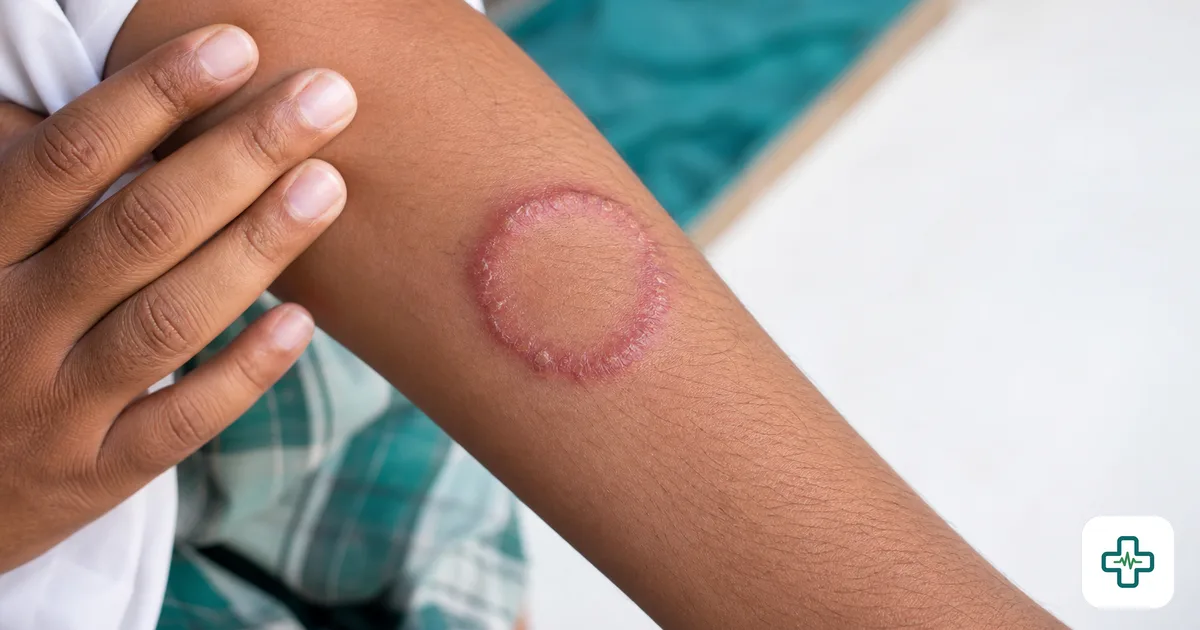
Ringworm (Dadh): Causes, Treatment and Prevention
Ringworm, known in Bangla as dadh, is one of the most common skin problems during the hot and humid months in Bangladesh. Despite its name, it has nothing to do with worms; it is a fungal infection that forms itchy, ring-shaped patches on the skin. Sweat, tight clothing and damp weather create the perfect conditions for the fungus to grow and spread. With the right antifungal treatment most cases clear up, but a very common mistake, using steroid creams bought over the counter, can make ringworm spread far and wide. This article is general health information and is not a substitute for advice from a qualified doctor.
What is ringworm and why is it common in the monsoon?
Ringworm is caused by a group of fungi called dermatophytes that feed on keratin, the protein in the outer layer of skin, hair and nails. These fungi love warmth and moisture, so the monsoon and humid summer in Bangladesh make infections far more common. Trapped sweat in skin folds, sharing towels and clothes, and damp shoes all help the fungus thrive. It can affect the body, the groin (jock itch), the feet (athlete's foot), the scalp and the nails.
What are the symptoms and warning signs?
Ringworm usually has a typical appearance that helps identify it.
- A red or darkened, ring-shaped patch with a raised, scaly border.
- Clearer skin in the centre, giving the classic ring shape.
- Itching, which often worsens with sweating.
- Patches that slowly grow outward and may join together.
- Common sites include the groin, inner thighs, waist, underarms, feet and between the toes.
When the typical ring shape is lost and the rash becomes a large, ill-defined, intensely itchy area, it often means a steroid cream has been used and the infection has been altered.
What causes it to spread, and the danger of steroid creams?
Ringworm spreads easily through direct skin contact and through shared towels, clothes, combs and bedding. It can also pass from infected pets and farm animals. The single biggest reason ringworm becomes stubborn in Bangladesh is the misuse of combination creams that contain a steroid. These creams reduce the itch for a day or two, which feels like improvement, but the steroid weakens the skin's defences and lets the fungus spread wider and deeper. This makes treatment much harder and longer. Never use a steroid or unlabelled combination cream on ringworm without a doctor's advice.
How is ringworm treated?
Treatment is an antifungal medicine, used correctly and for long enough.
- For limited patches, an antifungal cream (such as clotrimazole or terbinafine) is applied as directed by a doctor.
- Apply the cream a little beyond the visible edge of the patch, not just the centre.
- Keep using it for the full course, often one to two weeks after the rash looks gone, to prevent recurrence.
- Widespread, scalp or nail infection usually needs oral antifungal tablets prescribed by a doctor.
- Treat the feet and groin together if both are affected, as they often reinfect each other.
You can check a prescribed antifungal in our medicine directory instead of relying on a shopkeeper's pick, and you can keep your treatment plan tidy with our free prescription tool.
How can you prevent ringworm?
Keeping the skin clean and dry is the heart of prevention.
- Dry your body well after bathing, especially skin folds, the groin and between the toes.
- Wear loose, cotton, breathable clothing and change sweaty clothes promptly.
- Do not share towels, clothes, combs or footwear.
- Wash clothes, towels and bedsheets in hot water and sun-dry them.
- Keep feet dry, use clean socks, and avoid wearing damp shoes for long hours.
When should you see a doctor?
See a doctor if the rash keeps spreading despite a cream, if it covers a large area, or if it affects the scalp or nails, which usually need tablets. You should also seek advice if you have already used a steroid or combination cream, if the patches keep coming back, or if you have diabetes or weak immunity, as infections can be more stubborn. A skin specialist can confirm the diagnosis and choose the right antifungal; you can see a relevant specialist through our directory and find more health tips on monsoon skin care.
Frequently Asked Questions
Why does my ringworm get worse after using a cream from the pharmacy?
Many over-the-counter creams contain a steroid mixed with an antifungal. The steroid eases itching briefly but weakens the skin and lets the fungus spread wider and deeper. This is the most common reason ringworm becomes stubborn. Use only a plain antifungal advised by a doctor.
How long does ringworm take to clear?
Simple skin patches often improve within two to four weeks of correct antifungal use, but you should continue the cream for one to two weeks after it looks gone. Scalp and nail infections take much longer and usually need oral tablets for several weeks.
Is ringworm contagious to my family?
Yes. It spreads through skin contact and shared towels, clothes and bedding. Avoid sharing personal items, wash and sun-dry clothes and towels, and treat any affected family members so the infection does not keep passing around.
Can pets give me ringworm?
Yes. Cats, dogs and farm animals can carry ringworm and pass it to people. If a pet has bald, scaly patches, have it checked by a vet and wash your hands after handling animals.
This article is for general health education and is not a substitute for professional medical advice.