Chamber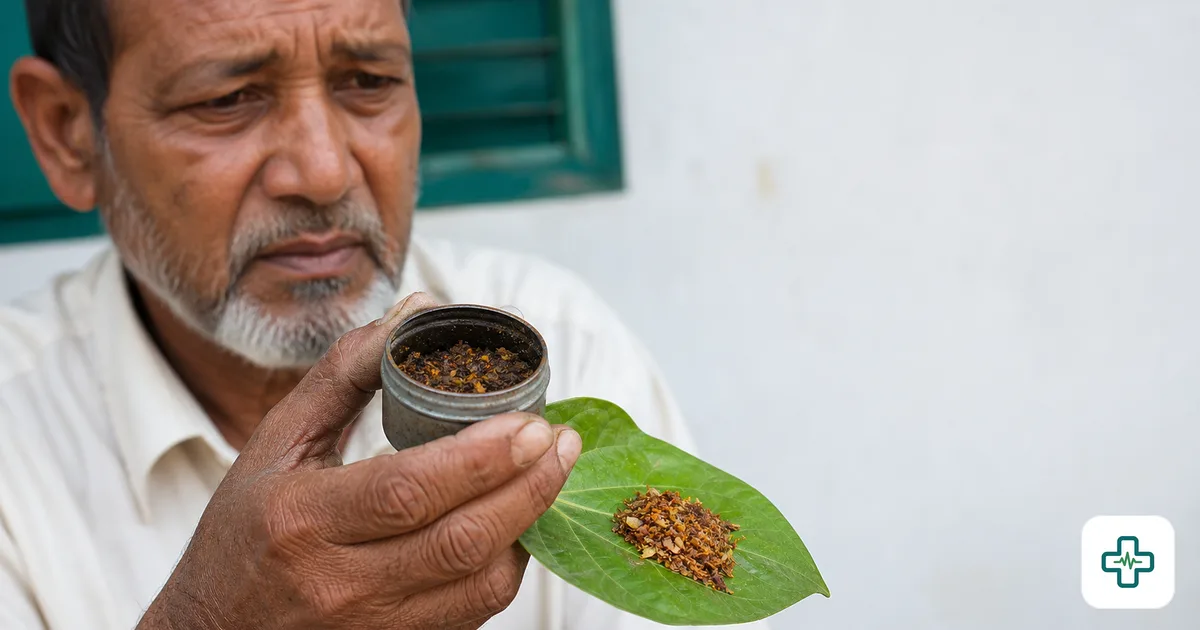
Quit Tobacco: Zarda, Gul and Mouth Cancer Risk
Many people in Bangladesh believe that chewing tobacco is far safer than smoking a cigarette. Sadly, this is one of the most dangerous myths about health. Smokeless tobacco products such as zarda, gul, sadapata and shahi jorda are packed with cancer-causing chemicals, and they sit directly against the soft tissue of your mouth for hours. The good news is that mouth cancer is largely preventable, and quitting tobacco at any age starts to lower your risk almost immediately. Understanding the danger is the first step toward a healthier mouth and a longer life.
What is smokeless tobacco and why is it so harmful?
Smokeless tobacco is any tobacco you chew, suck or hold in the mouth rather than burn. In Bangladesh the most common forms are zarda (often mixed with paan and betel nut), gul (a tooth powder rubbed on the gums), and sadapata or raw tobacco leaf. Each of these contains nicotine, which causes strong addiction, plus more than two dozen chemicals known to cause cancer. Because the product rests against the gums and cheek, those areas absorb the toxins constantly, which is why mouth and throat cancers are so common among long-term users.
What are the early warning signs in the mouth?
Mouth cancer is much easier to treat when caught early, so it is worth checking your own mouth in a mirror every month. See a doctor if you notice any of the following lasting more than two weeks:
- A white or red patch on the gums, tongue, cheek or floor of the mouth that does not rub off.
- A sore, ulcer or lump that does not heal.
- Difficulty or pain when opening the mouth, chewing or swallowing.
- A feeling that something is stuck in the throat.
- Numbness, persistent bleeding, or loose teeth with no clear cause.
- Reduced mouth opening or a stiff, burning feeling (a condition called oral submucous fibrosis).
Who is most at risk?
Risk rises with how much and how long you use tobacco. People who combine zarda with betel nut and slaked lime face an even higher risk, and adding alcohol multiplies the danger further. Men are affected more often, but use among women through gul and paan is widespread in Bangladesh too. A family history of cancer and poor diet low in fruits and vegetables can also add to the risk.
How can you quit tobacco for good?
Quitting is hard because nicotine is genuinely addictive, but millions of people succeed every year. A clear plan makes a real difference.
- Set a firm quit date and tell your family so they can support you.
- Throw away all zarda, gul and paan supplies from your home and pockets.
- Notice your triggers, such as after meals or with tea, and replace the habit with water, sugar-free gum, cloves or roasted chickpeas.
- Keep your hands and mouth busy during cravings, which usually pass within a few minutes.
- Ask a doctor about nicotine replacement therapy or other support if cravings are overwhelming.
- If you slip once, do not give up; learn from it and continue.
What happens to your body after you quit?
The body begins to heal surprisingly fast. Within days, taste and smell improve and the mouth feels cleaner. Over weeks and months, gum irritation settles and white patches may fade. Over the years, the risk of mouth, throat and other cancers falls steadily toward that of a non-user. Quitting also protects your heart, lowers blood pressure and saves money that adds up quickly for a family.
When should you see a doctor?
See a doctor or dentist without delay if any mouth sore, patch, lump or area of numbness lasts longer than two weeks, if you cannot open your mouth fully, or if chewing and swallowing have become painful. Early examination and a simple biopsy can catch cancer at a stage when it is highly treatable. You can find an oral surgeon, dentist or cancer specialist through our see a relevant specialist directory. If you are quitting and your doctor suggests supportive medicine, check it in our medicine directory before buying. For more practical guidance on staying tobacco-free, explore our more health tips.
Frequently Asked Questions
Is gul really as dangerous as cigarettes?
Yes. Gul is not a harmless tooth powder. It contains nicotine and cancer-causing chemicals, and rubbing it on the gums exposes the mouth directly to those toxins, raising the risk of gum disease and mouth cancer.
Can mouth cancer be cured if found early?
Early-stage mouth cancer often responds very well to treatment, and outcomes are far better than when it is discovered late. This is exactly why any sore or patch lasting more than two weeks should be examined by a doctor.
I have chewed zarda for years. Is it too late to quit?
It is never too late. Your cancer risk starts to fall the day you stop, and the longer you stay tobacco-free, the more it drops. Quitting also improves your gums, taste, heart health and overall well-being.
Will quitting cause weight gain or stress?
Some people feel restless or eat more at first as the body adjusts to no nicotine. Drinking water, staying active and keeping healthy snacks on hand helps. These effects are temporary and far smaller than the harm of continued tobacco use.
This article is for general health education and is not a substitute for professional medical advice; please consult a qualified doctor about your own situation.