Chamber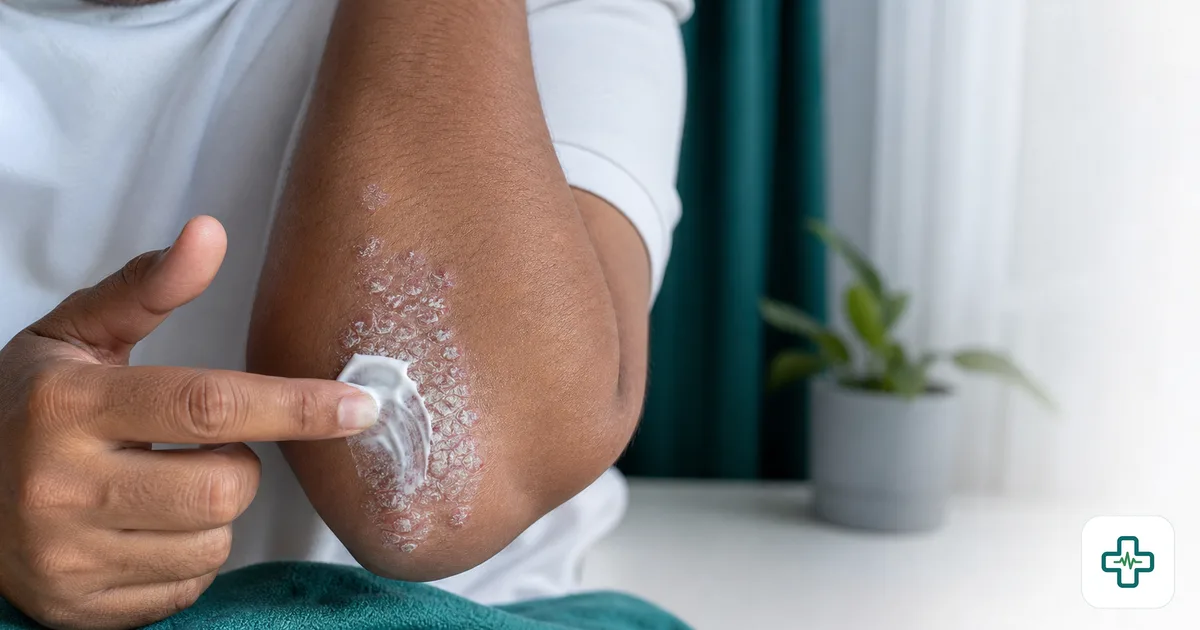
Psoriasis: Symptoms, Triggers and Skin Care
Psoriasis is a long-term skin condition that produces thick, scaly patches, most often on the elbows, knees and scalp. It is common, sometimes mistaken for a fungal infection or eczema, and it carries an unfair social stigma. The most important thing to know is that psoriasis is not contagious; you cannot catch it or pass it on by touch. While there is no permanent cure, it can be managed well so that the skin stays clear for long periods and daily life is comfortable.
What is psoriasis?
Psoriasis is an immune-related condition in which the body makes new skin cells far too quickly. Normally skin renews over about a month, but in psoriasis it happens in days, so cells pile up on the surface as raised, scaly plaques. It tends to run in families and often appears between the late teens and middle age. It is a lifelong condition that flares and settles, rather than an infection that can be wiped out.
What are the symptoms and warning signs?
Psoriasis can vary, but typical features include:
- Raised patches of thickened skin, often red or dark, covered with silvery-white scales.
- Common sites on the elbows, knees, lower back and scalp.
- Itching, soreness or a burning feeling in the patches.
- Nail changes such as pitting, thickening or lifting.
- Joint pain, stiffness or swelling, which may signal psoriatic arthritis.
What triggers a flare-up?
Flares are often set off by identifiable triggers. Common ones include:
- Stress and lack of sleep.
- Skin injury, sunburn or harsh scrubbing.
- Infections such as a sore throat.
- Smoking and heavy alcohol use.
- Some medicines, and stopping certain treatments suddenly.
Because stress is a strong trigger, relaxation, regular sleep and gentle exercise are a genuine part of managing psoriasis.
How can you manage psoriasis day to day?
Good skin care reduces discomfort and the appearance of plaques:
- Moisturise generously every day with a thick, fragrance-free cream to soften scales and ease itching.
- Take short, lukewarm baths and avoid harsh soaps and hard scrubbing.
- Get some gentle sunlight, which often helps, but avoid sunburn.
- Do not pick or scratch the plaques, as injury can trigger new patches.
- Stop smoking, limit alcohol, and manage stress and weight.
Doctors may prescribe medicated creams containing vitamin D analogues, coal tar or topical steroids, and more severe cases may need light therapy or tablets. You can look up a prescribed cream in the medicine directory, and find more skin and wellbeing advice in our more health tips.
When should you see a doctor?
See a doctor if you have a persistent scaly rash that has not been diagnosed, if patches are widespread, painful or affecting your scalp, face or nails, or if over-the-counter moisturisers are not controlling it. Importantly, see a doctor if you develop joint pain, stiffness or swelling, as early treatment of psoriatic arthritis protects the joints. A dermatologist or rheumatologist can guide treatment; you can find one through our list to see a relevant specialist. Avoid strong unbranded steroid creams, as misuse worsens psoriasis and harms the skin; a doctor can prescribe a safe plan and use the free prescription tool to write it clearly.
This article is for general health education and is not a substitute for professional medical advice; please consult a doctor about your own situation.
Frequently Asked Questions
Is psoriasis contagious?
No. Psoriasis cannot be passed from person to person by touch, sharing items or any other contact. It is an immune-related condition, not an infection, so there is no reason to avoid normal contact with someone who has it.
Can psoriasis be cured permanently?
There is no permanent cure yet, but psoriasis can be controlled very well. With moisturising, prescribed treatment and trigger avoidance, many people enjoy long periods with clear or nearly clear skin.
Is psoriasis the same as eczema?
No, though they can look similar. Psoriasis usually causes thicker, silvery-scaled patches on the elbows, knees and scalp, while eczema tends to be intensely itchy and appears in skin folds. A doctor can tell them apart.
Why do my joints hurt with psoriasis?
Some people with psoriasis develop psoriatic arthritis, where the same immune process inflames the joints. Joint pain, stiffness or swelling should be checked early, as timely treatment helps prevent lasting joint damage.