Chamber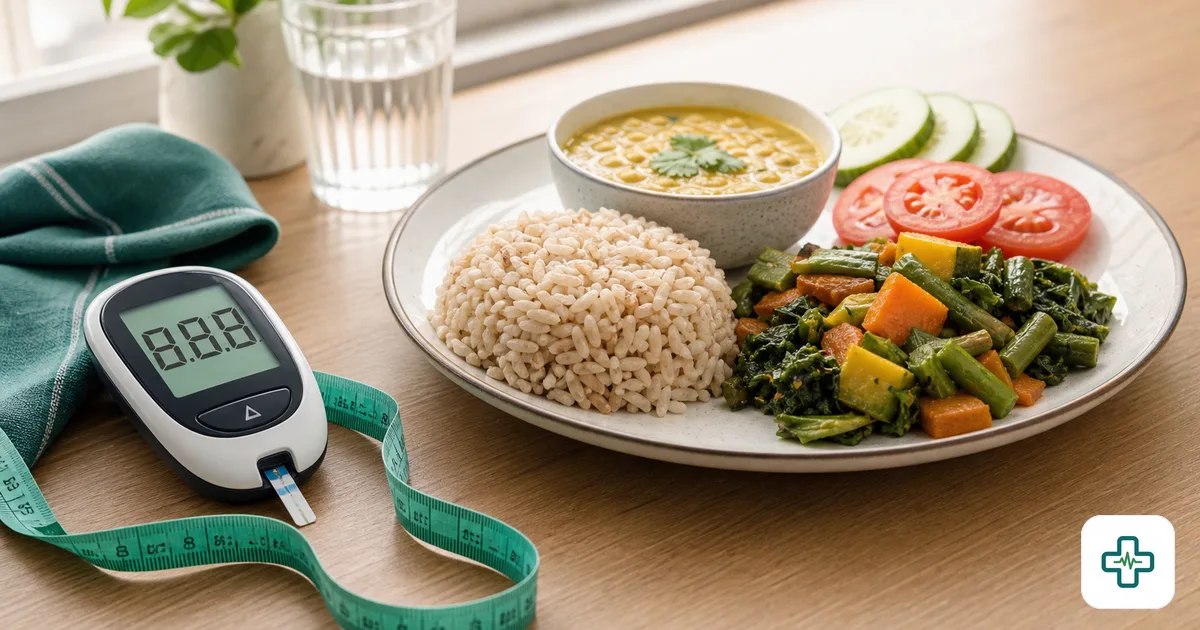
Prediabetes: Reverse High Sugar Before Diabetes
Many people in Bangladesh are told their blood sugar is "a little high" or "borderline" and are simply asked to come back later. That borderline state usually means prediabetes, and it is one of the most hopeful diagnoses in medicine, because it is often reversible. Prediabetes is a clear warning that the body is struggling with sugar, but it is also a window of opportunity to act before type 2 diabetes and its complications take hold. Understanding this stage and responding early can change the course of your health for decades.
What is prediabetes?
Prediabetes means blood sugar levels are higher than normal but not yet high enough to be called diabetes. It develops when the body becomes less responsive to insulin, the hormone that moves sugar from the blood into the cells, so sugar starts to build up. It usually causes no obvious symptoms, which is why it is so often missed. Left unaddressed, a large share of people with prediabetes go on to develop type 2 diabetes, but this is not inevitable.
Why is it a warning window, not a verdict?
Prediabetes is best seen as an early alarm rather than a sentence. At this stage the damage to blood vessels, nerves, kidneys and eyes has usually not yet become serious, and the body still responds well to change. Studies consistently show that losing a modest amount of weight and becoming more active can sharply cut the chance of progressing to diabetes, and many people return their sugar to a normal range. Acting now is far easier and cheaper than treating diabetes later.
Which tests confirm prediabetes?
A few simple blood tests, arranged by your doctor, can confirm where you stand.
- Fasting blood glucose: measured after roughly eight hours without food.
- HbA1c: reflects your average blood sugar over the past two to three months.
- Oral glucose tolerance test: blood sugar checked before and two hours after a sugary drink.
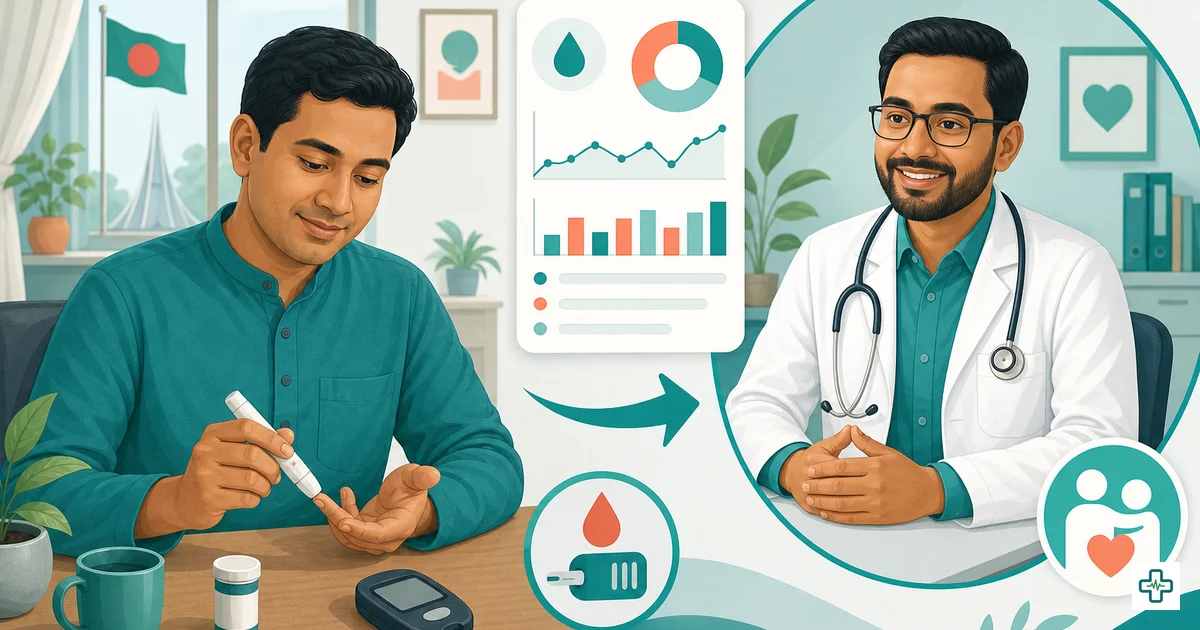
Your doctor interprets these together with your weight, family history and blood pressure. Self-testing once with a finger-prick machine is not enough to confirm or rule out prediabetes.
How can lifestyle reverse it?
The core treatment for prediabetes is lifestyle change, and it genuinely works.
- Lose extra weight: even a modest, steady reduction improves how the body handles sugar.
- Move more: aim for regular brisk walking or activity on most days of the week.
- Choose better carbohydrates: favour brown rice, whole grains, dal, vegetables and protein; cut back on white rice in large amounts, sugary tea, sweets and soft drinks.
- Add fibre: plenty of vegetables and whole foods slow sugar absorption.
- Sleep well and limit stress, both of which affect blood sugar.
Some people may also be advised medicine such as metformin, but only a doctor should decide this; you can look it up in our medicine directory.
How can you prevent diabetes long term?
Reversing prediabetes once is good, but keeping it reversed is the real goal. Maintain a healthy weight, keep the activity going, and continue choosing whole foods rather than treating the changes as a short crash plan. Have your blood sugar rechecked at the interval your doctor recommends, watch your blood pressure and cholesterol, and avoid tobacco. If diabetes runs in your family, these habits matter even more. A doctor can set up a follow-up plan using our free prescription tool, and you can read more health tips to stay motivated.
When should you see a doctor?
See a doctor if a test has ever shown borderline or high sugar, if diabetes runs in your family, or if you are overweight, especially around the waist, and have not been screened. Get checked sooner if you notice increased thirst, frequent urination, unexplained weight change, persistent tiredness or slow-healing wounds, which can suggest sugar has already risen further. Women who had high sugar in pregnancy should also be screened. You can find a physician or endocrinologist to see a relevant specialist through our list. This article is general information and is not a substitute for advice from a qualified doctor.
Frequently Asked Questions
Can prediabetes really be reversed?
Yes, in many people it can. Losing a modest amount of weight, becoming more active and improving the diet often brings blood sugar back into the normal range and significantly lowers the risk of developing type 2 diabetes. The earlier you act, the better the chance.
Does prediabetes have any symptoms?
Usually not. Most people feel completely well, which is why prediabetes is frequently discovered only on a routine blood test. This is exactly why screening matters if you have risk factors such as a family history or extra weight.
Do I have to give up rice completely?
No. You do not need to give up rice entirely, but very large portions of white rice can raise blood sugar quickly. Smaller portions, mixing in brown rice or whole grains, and pairing rice with vegetables, dal and protein make a big difference.
Will I definitely get diabetes if I have prediabetes?
No, it is not guaranteed. Prediabetes raises your risk, but it is a warning, not a certainty. With sustained lifestyle changes and regular follow-up, many people never progress to diabetes.